

























Neil Sedaka Songs Return to Conversation as Micky Dolenz and Others Reflect on an 86-Year Career Rebooted Twice

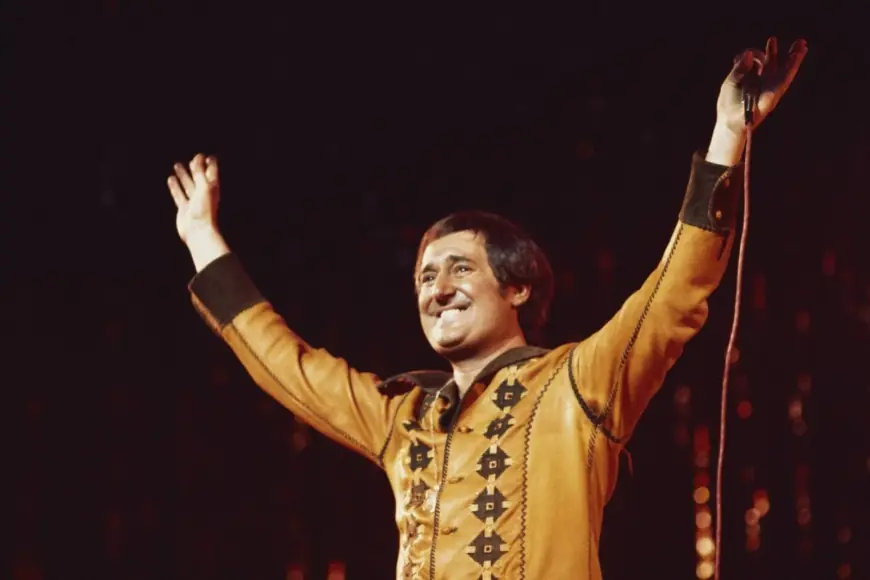
Why this matters now: Neil Sedaka Songs are being re-examined because the songwriter’s death on Friday at age 86 spotlights a catalog that hit twice — first in the early Sixties and again in the Seventies — and threaded through popular acts of both eras. Micky Dolenz’s public tribute has refocused attention on Sedaka’s direct collaborations with performers from the Monkees to solo stars, underscoring how those songs kept finding new audiences.
Contextual rewind: how two eras made Neil Sedaka Songs feel perennial
Neil Sedaka’s career registered in two distinct surges: the early pop-machine period that produced several teen-era staples, and a later return that crested with major chart hits. That split explains why his work keeps resurfacing—songs from the first wave were already familiar to listeners in one cultural moment, then reappeared in different arrangements and charts a decade later, connecting separate generations.
Event details and Micky Dolenz’s tribute
Micky Dolenz, identified as the last surviving member of the Monkees, paid tribute after Sedaka’s death on Friday at age 86. Dolenz described Sedaka as one of those rare songwriters who could do it all, and he highlighted Sedaka’s connections to the Monkees: Sedaka co-wrote When Love Comes Knocking at Your Door with Carole Bayer Sager and contributed other songs that reached the band’s world. Dolenz also noted that Sedaka wrote Rainy Jane for Davy Jones’s solo record and recalled Sedaka traveling from the East Coast to Los Angeles to perform that song at Jones’s memorial. Dolenz closed his message by sending thoughts to Sedaka’s family, friends, and everyone who loved his music.
Neil Sedaka Songs: early hits, chart peaks and notable titles
Here’s the part that matters for listeners and catalog curators: Sedaka’s early output created many of the melodies that continue to define his name. His first Top 10 entry came in 1959 with Oh! Carol. Later early-Sixties titles included Stairway to Heaven (not that one), Calendar Girl, Little Devil, and Happy Birthday Sweet Sixteen. In 1962, Breaking Up Is Hard to Do reached Number One, and Next Door to an Angel peaked at Number Five.
- 1959 — Oh! Carol reaches the Top 10
- 1962 — Breaking Up Is Hard to Do hits Number One; Next Door to an Angel reaches Number Five
Seventies comeback, label moves and chart resurgence
In the Seventies, Elton John signed Sedaka to his label, and in 1974 Rocket Record Company issued a compilation of Sedaka’s U. K. -era songs titled Sedaka’s Back, which earned a gold certification in the U. S. The following year marked Sedaka’s biggest commercial comeback: he topped the Billboard Hot 100 twice as a solo artist with Laughter in the Rain and then Bad Blood, and his new ballad arrangement of Breaking Up Is Hard to Do reached Number Eight.
Mini timeline and later creative notes
- 1959 — First Top 10 with Oh! Carol
- 1962 — Breakthrough single at Number One with Breaking Up Is Hard to Do
- 1974 — Sedaka’s Back compilation released and certified gold in the U. S.
- 1975 — Topped the Hot 100 twice with Laughter in the Rain and Bad Blood; ballad version of Breaking Up Is Hard to Do peaked at Number Eight
- 2006 — In an interview, Sedaka described his creative sources and said in recent decades he had been writing his own lyrics
If you’re wondering why this keeps coming up: that 2006 interview matters because Sedaka explained how inspiration arrives from people, places, emotions, family, movies and plays, and that many songs grew out of listening to other singers. He singled out Love Will Keep Us Together as inspired by different singing styles and said that in the last 20 years he preferred writing his own lyrics because nobody puts words in his mouth; the songs came from his soul.
It’s easy to overlook, but Sedaka’s choice to reshape material for the Seventies — and to revisit earlier hits in new arrangements — is a clear reason Neil Sedaka Songs feel both familiar and renewed across generations.
Implications for listeners and those tracking catalogs
Dolenz’s remarks underline a practical point: Sedaka’s work touched both recorded pop and direct collaborations with performers, so the immediate reaction among fans and artists will emphasize personal ties as much as chart history. The real question now is which recordings and arrangements will be rediscovered as listeners revisit the songs that spanned his two major waves of success.
Writer’s aside: The bigger signal here is how a songwriter who moved between writing hits, collaborating with peers, and reworking his own material can create a catalog that surfaces in different cultural moments. That pattern is visible across Sedaka’s early Sixties singles and his mid-Seventies return.