
























Adam Silver’s NBA Europe Push Could Reshape Club Ownership, Broadcast Deals and Promotion Paths Across the Continent

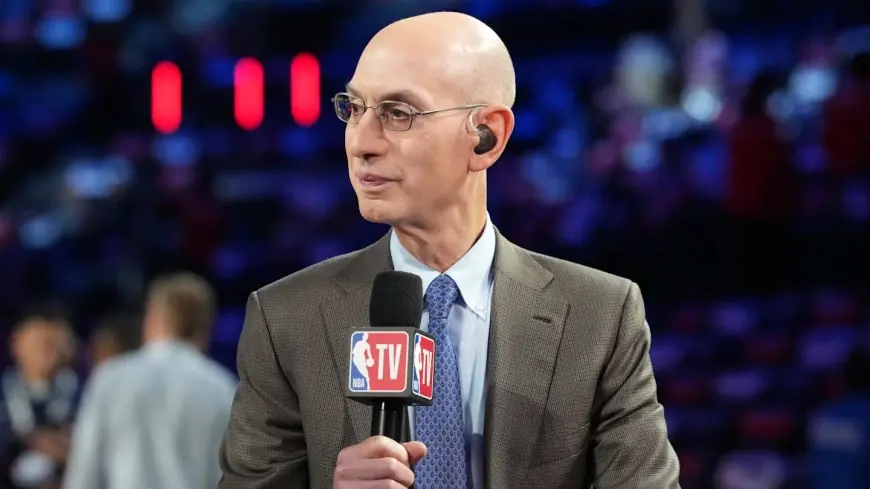
Under adam silver, the league is pushing beyond occasional exhibition tours toward a permanent European competition that aims to rewrite the continent’s club economics and media landscape. That shift matters because it changes how teams earn revenue, who can own them, and the commercial pitch for global streamers — all before a formal launch is finalized.
Adam Silver is steering consequences: new money, new stakeholders, new competitive pressure
Here’s the part that matters: creating a cohort of permanent teams in Europe would concentrate value in major cities, raise entry and operating costs, and incentivize different ownership models — including current and former players stepping into leadership or ownership roles. The league’s approach is being shaped to appeal to global broadcasters and streamers, which in turn alters negotiating leverage for clubs and domestic competitions.
- Major global streaming platforms have already been approached about media rights, with conversations identified with at least two large services that operate worldwide.
- Plans include permanent clubs based in major European cities; that permanence is meant to be a selling point for broadcasters and commercial partners.
- Ownership interest has been noted from figures within the professional playing ranks, suggesting a governance and investment shift if the project proceeds.
What’s easy to miss is that a model built around fixed franchises — rather than a rotating field tied to domestic leagues — changes long-standing incentives across European basketball, from player movement to stadium investment.
Event details and the current state of planning
The initiative was announced as a joint effort with an international governing body and has been described as a competitor to the current top continental competition. A working target for launch has been set for October 2027, which adds urgency to finalizing locations, ownership terms and broadcast deals. Cities explicitly identified as primary targets include:
- London
- Paris
- Rome
- Madrid
- Barcelona
- Athens
- Istanbul
- Berlin
Details on the league’s size and structure remain fluid. Some descriptions place the permanent core at roughly 10–12 clubs, while other outlines have suggested a broader range for teams overall. There is also discussion of additional spots being earned by performance in domestic competitions, introducing a partial open-qualification element alongside permanent franchises. Because these specifics differ across outlines, they should be treated as developing and subject to change.
The commercial picture is evolving too: the league has engaged in early conversations with major global streaming platforms, including two platforms frequently active in international sports distribution, as it pitches media rights. Existing long-term agreements between the league and one major streaming partner were noted in the planning material, which informs how future rights might be structured.
If you’re wondering why this keeps coming up, the practical timeline explains it: an announcement phase has been followed by city targeting and broadcaster outreach, and teams, media partners and potential owners are being solicited now to meet that launch timetable.
- Launch planning announced in 2025; working start date targeted for October 2027.
- Top-city list narrowed to eight major European capitals and metropolises as immediate priorities.
- Media outreach and ownership discussions are underway while league format and team count remain under negotiation.
The real question now is how domestic leagues and existing continental competitions will respond to a cohort of permanent franchises and the commercial pressure they bring.
Key takeaways:
- Permanent franchises are central to the plan and intended to boost media value.
- Eight major cities have been prioritized as primary hosts for teams.
- Media conversations have included at least two major global streaming platforms.
- Team count and the mix of permanent versus performance-based spots are still unsettled.
The bigger signal here is that this project is designed to be a long-term structural change, not a short-term tour; that makes the coming negotiations over entry fees, ownership rules and broadcast windows among the most consequential items to watch as plans firm up.
Editorial aside: negotiations over media rights and permanent-team fees will ultimately determine whether the model complements or competes with existing European basketball structures — and that outcome is not yet decided.