






















Brit Awards 2026: Manchester Hosts 46th Ceremony as Olivia Dean and Lola Young Lead Nominations

The Brit Awards 2026 have arrived in Manchester for the ceremony’s 46th edition, marking the first time the event is being held outside London since its inception in 1977. The relocation and an expanded local program have reshaped how the industry and city are engaging with the awards this year.
Manchester and the Co-op Live Arena: Hosting the Brit Awards 2026
Organisers staged the ceremony at the Co-op Live arena as part of a deliberate shift to recognise the country’s geographic diversity in music. Stacey Tang, who chairs the event, framed the move as a response to the fact that creativity is not concentrated in one postcode and said the city has opened up to the awards in a different way than London did. That openness has translated into a fringe program running alongside the main show, with grassroots workshops and intimate performances taking place across the city.
The local authority’s backing and active involvement from the region’s leadership helped unlock access and venues, and the city has leaned into the moment: a temporary Deansgate station sign and related publicity have been visible to visitors. The expanded presence of industry activity in Manchester follows recent regional moves in the music sector—events such as the MTV European Music Awards were held at Co-op Live in 2024 and the Northern music awards launched in the city the same year—creating a momentum organisers and local labels say they wanted to build on.
Nominations Spotlight: Olivia Dean, Lola Young and the Shortlist
Two London-born artists, Olivia Dean and Lola Young, lead the nominations with five nods apiece, anchoring a shortlist that also recognises veteran and genre-spanning acts. Olivia Dean’s second record, The Art of Loving, has returned to the top of the charts on four separate occasions since its release last October, positioning her as a frontrunner for key categories. Other contenders in hotly contested fields include Lily Allen, Sam Fender, Dave and PinkPantheress, while established acts such as Pulp received a best group nomination.
The shortlist spans a wide range of material: Lily Allen’s candid album West End Girl is on the list, songs from the movie musical Wicked and the K-pop-linked Demon Hunters project appear in single categories, and Lola Young’s song "Messy"—performed at last year’s ceremony—remained within the eligibility window for this year’s awards. The variety in nominations has produced categories described as difficult to call, with no single artist dominating the conversation in the way some winners did in recent years.
Performances, Rehearsals and the Fringe: Harry Styles, Jack Whitehall and Local Initiatives
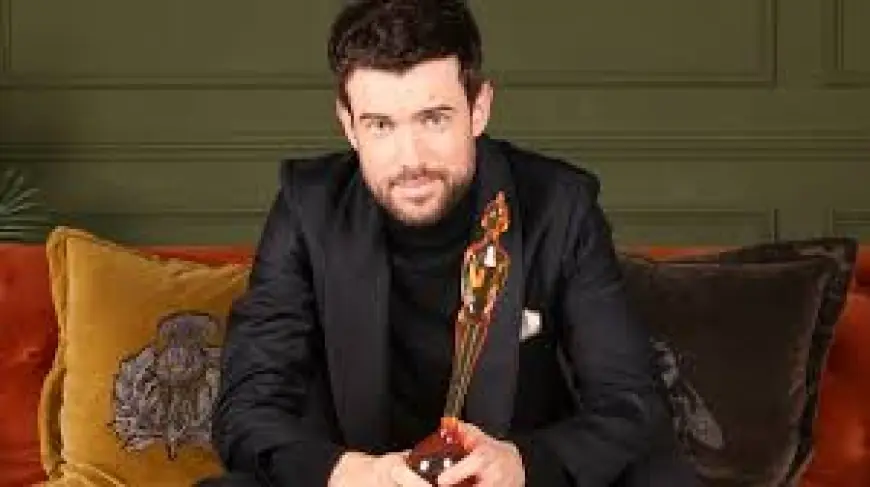
Performance plans are tightly controlled: main-stage rehearsals at the arena have been conducted behind closed doors with only essential staff present. Harry Styles, who last played the Brits three years ago and walked away then with four trophies including album of the year, is scheduled to perform "Aperture, " a clubby single from his forthcoming record Kiss All The Time, Disco Occasionally. He is also slated to appear in a sketch with host Jack Whitehall.
Beyond the main ceremony, the fringe program has offered workshops and showcases aimed at emerging regional talent. Scott Lewis, a label manager at EMI North, spent the week advising up-and-coming artists on demos and label approaches, reflecting a deliberate effort to bring industry infrastructure closer to northern creators. Jo Twist, chief executive of the BPI, emphasised that research shows Manchester as a consistent producer of chart-topping acts and framed the week’s activity as part of long-term support for artist ecosystems outside the capital.
What makes this notable is the combination of a major awards ceremony relocating for the first time in nearly five decades and the explicit effort to pair the show with practical industry engagement—fringe events, workshops and intimate performances such as those staged by Olivia Dean and Robbie Williams for War Child. The move has created measurable local programming and a concentrated industry presence that organisers hope will have effects beyond a single night.
The ceremony and its companion events will test whether bringing the biggest night in British music to a different city can translate into sustained investment and opportunities for artists across the country.