
























Taylen Green In Green Bay Fits the Packers’ QB Draft Philosophy and Draws Combine Interest

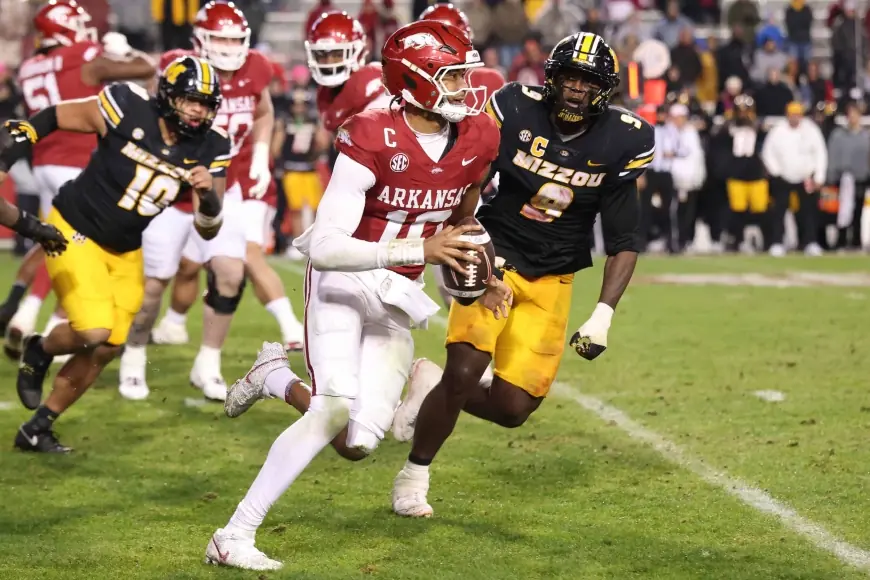
With Malik Willis expected to move on this offseason and Green Bay still set at the top of its depth chart, taylen green has emerged as a name that matches the team’s long-standing approach of drafting quarterback projects late and developing them over time.
Taylen Green and the Packers’ quarterback drafting philosophy
The Packers’ front office has repeatedly signaled a preference for adding quarterback prospects even while a long-term starter remains in place. That blueprint — routinely picking quarterbacks later in drafts to stockpile developmental options — makes a player like Green a natural fit. The team already has its starter in place and has seen that starter grow into a quality player over multiple seasons; adding a high-upside, low-cost option in the middle or late rounds aligns with that strategy.
From an organizational perspective, the goal isn’t necessarily to find an immediate starter but to identify projects who can be coached into functional backups or, potentially, trade assets down the line. With Green projected as a Day 3 selection in most scenarios, he checks the box for the kind of upside the team pursues when it targets quarterbacks outside the early rounds.
Combine profile, athleticism and how taylen green stacks up
Green’s pre-draft testing and measurables have amplified interest. Projections place his athleticism score among the top quarterbacks at the scouting combine, and his 6-foot-6, 230-pound frame stands out on paper. That size, paired with true dual-threat ability, mirrors the physical profile the organization has shown it values when a dynamic athlete becomes available late in the draft.
Scouting evaluations emphasize Green’s ability to create explosive plays both as a runner and as a passer, and his running ability — on designed calls or pocket breaks — is a clear element of his value beyond pure passing metrics. At the same time, evaluators note his passing upside remains a project: he can generate throws with velocity and depth that challenge second- and third-level defenders, but his overall ceiling will depend on development as a passer and on how he cleans up decision-making and accuracy under pressure.
Put simply, Green offers tantalizing athletic upside and playmaking traits, balanced by clear areas for growth that explain a Day 3 projection. For a team seeking a developmental backup with upside, that combination is attractive.
Draft outlook, broader combine context and what’s next
Green is widely viewed as a late-round prospect; many projections place him in the sixth or seventh round. That projection dovetails with a franchise that has historically opted to take quarterback swings without using premium picks — a practice that stretches back through multiple eras of roster building and that was reaffirmed in recent organizational comments about not waiting until a QB need becomes urgent.
The broader draft landscape is also in motion: a prominent draft analyst has reshuffled a recent top-25 board and teams are still absorbing combine measurements added for several position groups. That ongoing evaluation window means rankings and positional assessments could shift as more testing data and evaluations emerge through combine week.
For Green, the next steps are straightforward and procedural: his combine profile and pro day follow-ups will dictate whether his Day 3 projection holds or moves. For the team in question, the calculus will remain the same — weigh raw athletic upside and developmental room against draft cost and roster fit. Details may evolve as combine reporting continues and as teams finalize plans, but the current alignment between Green’s profile and the team’s quarterback-drafting philosophy is clear.