

























Charles Leclerc Explores ‘Extreme’ Features of New F1 Cars

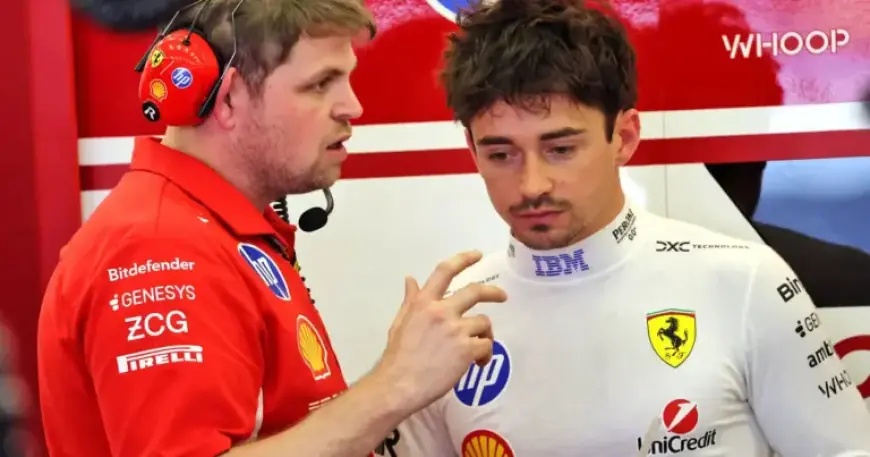
Charles Leclerc has shared his excitement regarding the 2026 Formula 1 cars, which he describes as “extreme” in their capabilities. The transition from the 2025-spec cars, known for their understeering traits, has introduced a new dynamic that appeals to Leclerc’s driving style.
Key Changes in 2026 F1 Cars
The 2026 F1 vehicles feature a significantly lighter design, shedding 30 kilograms compared to their predecessors. This reduction contributes to a narrower, shorter chassis that enhances performance and responsiveness.
With these modifications, drivers can expect greater oversteer, characterized by the rear of the car becoming more responsive to input. Leclerc notes that these cars offer an exciting opportunity to experiment and refine driving techniques for better lap times.
Leclerc’s Insights on Driving Adaptation
- Leclerc highlights that drivers must continuously adapt their driving styles.
- He mentions that the 2026 cars require more strategic thinking during races.
- The workload inside the car has increased, demanding greater focus on system management.
According to him, the shift in driving dynamics necessitates a different approach during qualifying and race scenarios. “It’s just a different way of driving,” he states, emphasizing the need for adaptability.
Performance and Handling
The lighter chassis enhances car agility, allowing drivers to explore the limits of balance more freely. Leclerc appreciates the improved feedback, describing the car as “a bit more alive.” He cites the ease of managing the rear end as a significant improvement over last year’s models.
For drivers who prefer oversteering configurations, the 2026 F1 cars present a unique challenge and opportunity to push boundaries further.
In conclusion, as Formula 1 evolves, so does the driver experience. The 2026 cars provide an exciting platform for Leclerc and his peers to innovate and redefine their driving approaches on the track.