























IMF Warns: Iran Conflict Risks Global Growth Slowdown Despite Ceasefire

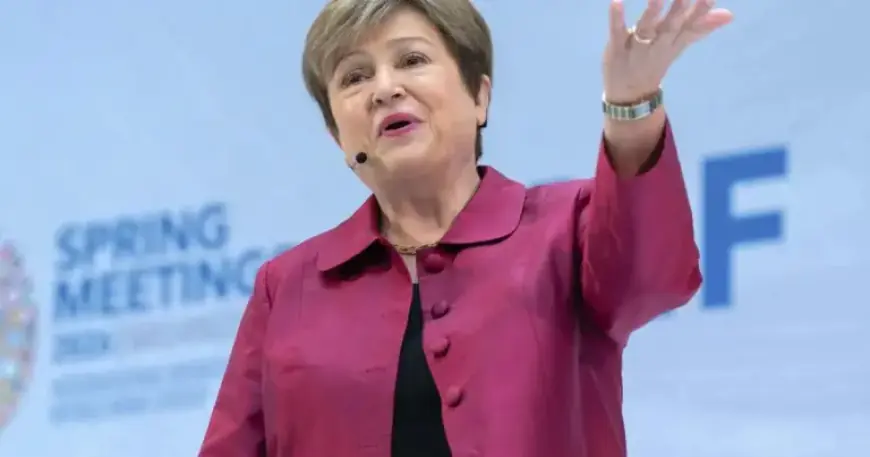
International Monetary Fund Managing Director Kristalina Georgieva said the Iran war has darkened the outlook for the global economy. She warned the fund will downgrade its forecast when it issues new numbers next week.
Georgieva made the remarks ahead of the IMF-World Bank spring meetings. The comments came after a string of recent shocks to energy and trade.
Previous outlook and the turning point
In January the 191-country IMF had raised its global growth projection to 3.3 percent. The conflict that began on Feb. 28 altered that trajectory.
The world economy had shown resilience despite recent trade measures by the United States. Still, the new shock forced a reassessment of the recovery path.
Economic effects of the conflict
The war has pushed up oil and natural gas prices. It has also damaged refineries, tanker terminals and other energy infrastructure.
Shipments of fertilizer were disrupted, hitting farmers worldwide. Business and consumer confidence has also weakened amid the instability.
Immediate policy responses
- Governments urged or mandated remote work for some workers.
- Officials promoted greater use of public transportation.
- Some administrations cut nonessential travel by public officials.
Ceasefire and remaining risks
The United States and Iran announced a ceasefire on Tuesday. The truce followed a stark warning from President Donald Trump about catastrophic consequences.
Georgieva said growth will be slower even if the ceasefire proves durable. The IMF warns that the Iran conflict risks global growth slowdown despite ceasefire.
Warnings for policymakers
Georgieva urged authorities to avoid protectionist or unilateral measures. She cautioned against export limits and price controls.
“Don’t pour gasoline on the fire,” she said, urging coordinated international action. The IMF stressed that go-it-alone moves could deepen the shock.
Who is most vulnerable
Sub-Saharan Africa and small island states face the biggest exposure to energy price shocks. These economies have limited buffers to absorb higher import costs.
Many governments cannot easily use fiscal stimulus because their debts are already high. That constraint reduces room for growth-supporting measures.
The IMF will publish updated forecasts next Tuesday. Reporting by Wiseman for Filmogaz.com.