

























Iran’s Oil and Gas Production and Infrastructure Overview

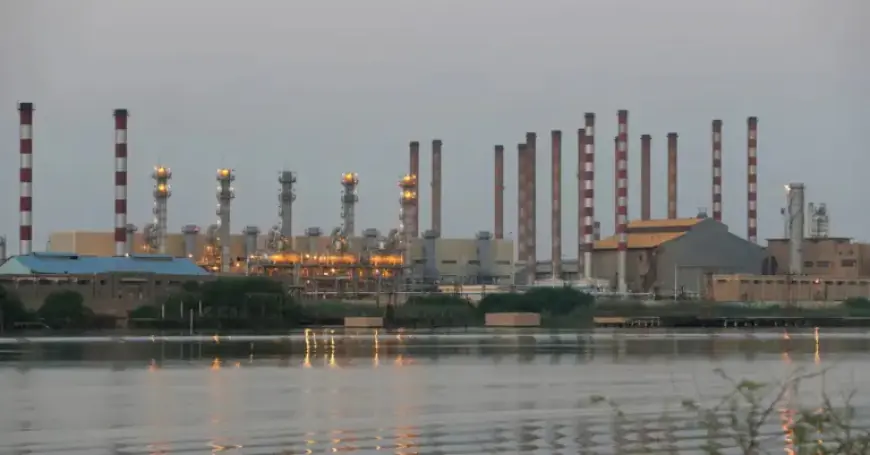
Iran’s oil and gas production serves as a critical component of its economy, significantly impacting global energy markets. As tensions rise in the region, understanding Iran’s energy infrastructure and export dynamics is crucial.
Iran’s Oil Production Overview
Iran stands as the third-largest oil producer in the Organization of the Petroleum Exporting Countries (OPEC), contributing approximately 4.5% of the world’s oil supply. Its daily crude oil output is around 3.3 million barrels, complemented by an additional 1.3 million barrels per day of condensate and liquid hydrocarbons. The domestic refinery capacity in Iran reaches 2.6 million barrels per day, according to consultancy FGE.
Export Dynamics
In 2025, Iran’s oil exports are projected at nearly 820,000 barrels per day, slightly lower than levels observed in 2024. Most of Iran’s crude oil is exported through Kharg Island, strategically located near the Strait of Hormuz.
- OPEC Position: Iran is the third-largest producer in OPEC.
- Crude Output: Iran produces approximately 3.3 million bpd of crude oil.
- Condensate Production: Additional 1.3 million bpd of condensates.
- Refinery Capacity: 2.6 million bpd across domestic facilities.
Impact of Sanctions on Iran’s Oil Market
Western sanctions have significantly affected Iran’s ability to sell its oil, particularly in the Chinese market. Private Chinese refiners are major customers; however, U.S. sanctions have limited their operations. China has publicly rejected these sanctions and continues to engage in trade with Iran, though purchases have diminished.
To mitigate the impact of potential U.S. military actions, Iran has built a substantial reserve of oil at sea, totaling approximately 200 million barrels, enough to sustain global demand for around two days.
Natural Gas Production and Reserves
Iran holds a substantial share of the world’s largest natural gas reserve, the South Pars gas field. This offshore field is pivotal, supplying around one-third of the reservoir, which it shares with Qatar’s North Dome field. Most of the gas produced is used domestically due to sanctions and technical limitations.
Gas Production Statistics
- Total Gas Production (2024): 276 billion cubic meters.
- Domestic Consumption: 94% of produced gas was consumed within Iran.
- Global Impact: The reservoir encompasses an estimated 1,800 trillion cubic feet of usable gas.
While Iran’s gas infrastructure has faced challenges, including military strikes, it remains a core part of the country’s energy landscape. The geopolitical implications of Iran’s energy resources can significantly affect global oil and gas markets.