
























Bill Clinton Deposition, Hillary Clinton Deposition, and Pizzagate: Why Old Conspiracies Are Colliding With New Washington Drama

A closed-door Capitol Hill probe into the Jeffrey Epstein case pulled Bill Clinton and Hillary Clinton back into the political spotlight this week, triggering a familiar online churn around pizzagate, “pizza gate,” and other long-debunked claims. The flashpoint wasn’t just the Bill Clinton deposition and Hillary Clinton deposition themselves, but a chaotic side story involving Lauren Boebert, conservative commentator Benny Johnson, and Rep. Nancy Mace—a mix that helped push conspiracy keywords back into trending feeds across the US, and into commentary in the UK, Canada, and Australia.
Bill Clinton Deposition: A Rare, High-Stakes Moment Under Oath
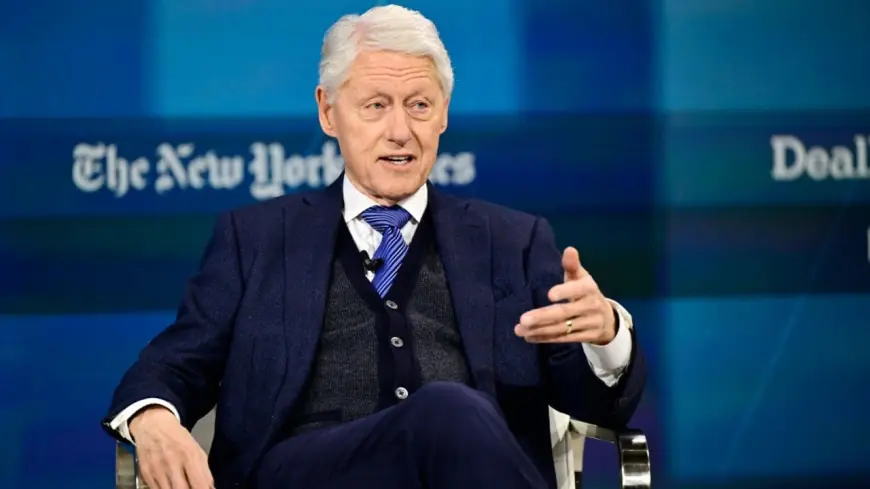
The Bill Clinton deposition took place Friday, Feb. 27, 2026, in Chappaqua, New York, as part of a House Oversight inquiry examining Epstein’s access to influential people and institutions. Clinton denied knowledge of Epstein’s criminal activity and emphasized he severed ties years before Epstein’s 2008 guilty plea. Lawmakers pressed him on past interactions, including travel and social proximity, as the investigation seeks a clearer timeline of who knew what, and when.
The broader significance in Washington is precedent and politics: a former president testifying under subpoena in a congressional investigation is uncommon, and it arrives during an election-year climate where every procedural detail becomes campaign material.
Hillary Clinton Deposition: Photo Leak, Disruption, and a Partisan Blowup
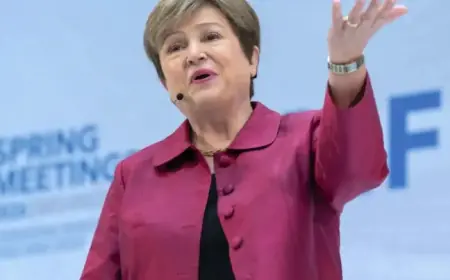
The Hillary Clinton deposition occurred Thursday, Feb. 26, 2026, in the same inquiry. Hillary Clinton reiterated she never met Epstein and said she had no knowledge that would materially assist investigators. The session briefly halted after a photo from inside the room surfaced online—an apparent rules violation for a closed proceeding.
That leak became its own political storm. Lauren Boebert faced backlash for sharing the image with Benny Johnson, who posted it publicly. The episode intensified calls from Clinton allies for greater transparency while also handing critics a viral moment to frame the proceeding as spectacle.
Rep. Nancy Mace then added fuel by publicly describing Clinton’s demeanor in combative terms, prompting a sharp pushback from Clinton’s camp. The dispute illustrates how modern depositions don’t stay confined to transcripts; they spill instantly into social media ecosystems that reward outrage, insinuation, and short clips over context.
What Is Pizzagate and Why Is It Trending Again?
What is pizzagate? Pizzagate is a conspiracy claim from the 2016 election era that falsely alleged a child-trafficking ring tied to prominent Democrats and a Washington, D.C. pizza restaurant. The pizzagate conspiracy was discredited years ago, yet it remains a durable online narrative that periodically resurfaces when new document dumps or high-profile investigations create openings for insinuation.
This week, the deposition spotlight created exactly that opening. As Epstein-related materials circulated anew, online accounts revived the pizzagate theory and “code word” claims—despite a lack of evidence supporting the central allegation. In practical terms, the renewed buzz reflects a pattern: when legitimate investigations involve famous names, conspiracy communities attempt to retrofit unrelated narratives into the news cycle.
Monica Lewinsky, “Clinton Deposition” History, and the Politics of Memory
The Clinton name carries deposition history beyond today’s Epstein-focused inquiry. For many Americans—and international audiences who remember the scandal as a defining US political moment—Monica Lewinsky remains a shorthand for how personal misconduct, media frenzy, and legal jeopardy can converge around the presidency. Lewinsky is not a participant in the current congressional investigation, but her name reliably returns whenever “clinton deposition” becomes a headline phrase.
The effect is cultural as much as political: US political controversies are widely consumed in the UK, Canada, and Australia, where commentators often treat them as signals about American institutional stability and the direction of US elections.
Ages, Names, and the People Driving the Current Cycle
Here’s a quick reference as searches like how old is bill clinton and how old is hillary clinton surge alongside deposition queries:
| Person | Why They’re in the Story | Age (as of Feb. 28, 2026) |
|---|---|---|
| Bill Clinton | Bill Clinton deposition in Epstein inquiry | 79 |
| Hillary Clinton | Hillary Clinton deposition in Epstein inquiry | 78 |
| Lauren Boebert | Linked to the photo leak from a closed proceeding | 39 |
| Benny Johnson | Posted the leaked photo, amplifying the disruption | 38 |
| Nancy Mace | Publicly sparred over Clinton’s testimony and tone | 48 |
| Monica Lewinsky | Not involved, but reappears in public memory around “Clinton” legal history | 52 |
What Happens Next in the US—and How Allies Are Watching
Investigators have indicated more depositions and releases of recorded testimony may follow, a key factor for how the story evolves in the next several days. If video excerpts emerge, they are likely to intensify partisan framing and further energize conspiracy-adjacent chatter, including renewed attempts to mainstream pizzagate conspiracy theory talking points.
For audiences in the UK, Canada, and Australia, the immediate interest is less about Washington personalities and more about whether the US political system can keep investigations tethered to verifiable facts. The week’s lesson is familiar: a single closed-door hearing can generate two parallel narratives—one grounded in testimony and timelines, the other driven by viral shortcuts and recycled conspiracies.