























Israel and US Target Iranian Sites: Key Strikes Revealed

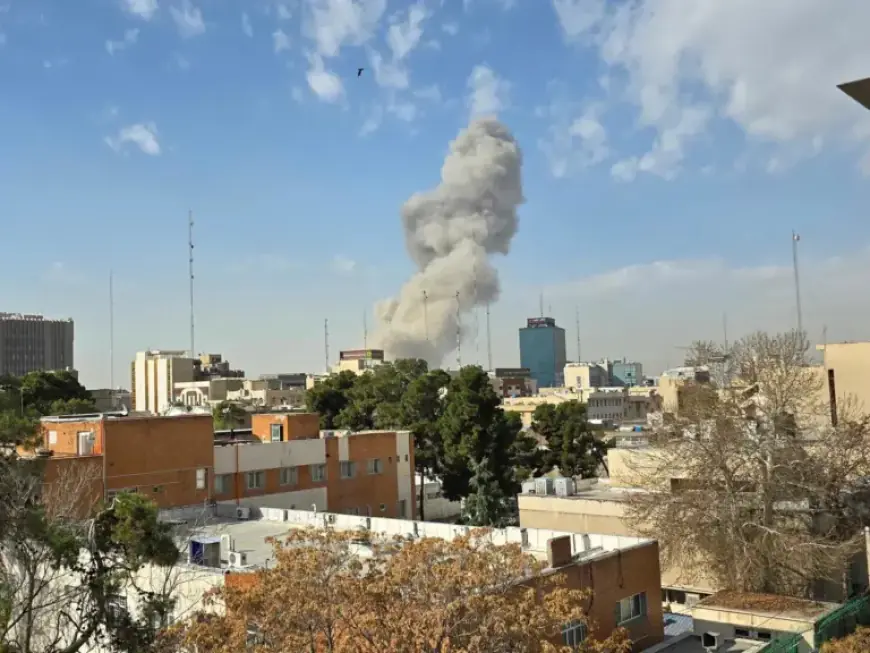
Reports have emerged of multiple explosions across Iranian cities following a coordinated attack by U.S. and Israeli forces. The operation commenced early on a Saturday morning with significant strikes concentrated in Tehran.
Targets and Locations of the Recent Strikes
The assault targeted key areas in the capital, including:
- Palestine Square, near the residence of Iran’s supreme leader, Ali Khamenei.
- Vasal Street, close to the judicial authority’s building.
- Pastor Street, which houses the presidential office.
According to Iranian media, prominent figures, including President Masoud Bezhakian and Judiciary Chief Gholam Hossein Mohseni Ejei, are reported to be safe. Khamenei was relocated to a secure location prior to the attacks.
Geographical Spread of the Attacks
The strikes extended beyond Tehran to several Iranian provinces, targeting military and institutional sites. Notable locations include:
- Karaj in Alborz Province.
- Isfahan and Qom.
- Kangavar in Kermanshah Province.
- Nashtiyan in Hamadan Province.
- Dizful and Andimeshk in Khuzestan Province.
- Tabriz in East Azerbaijan Province.
- Khark Island in Hormozgan Province, situated in the Gulf.
- Chabahar in Sistan and Baluchestan Province, which borders the Oman Sea.
Strategic Implications of the Assault
This attack represents a significant escalation in military actions involving the U.S. and Israel against Iran. According to journalist Abdelkader Fayez, the strikes reflect a direct targeting of Iran’s political leadership, which has not previously occurred with such military precision.
The locations targeted include governmental hubs and military installations crucial to Iran’s defense. Faye highlighted that the strikes involved coordinated efforts, unlike past attacks which were typically unilateral.
Context and Future Consequences
This latest operation hints at a transformative approach in U.S.-Israeli tactics. Previous conflicts did not focus on attacking the Iranian state’s political structure directly. Analysts suggest that this marks a new phase in the ongoing geopolitical tensions in the region.
The widespread targeting raises urgent questions about the potential repercussions for Iran’s internal stability and foreign relations. With strategic sites across Tehran being hit, the implications of this operation could lead to significant shifts in regional power dynamics.