

























U.S. and Israel Initiate Major Ongoing Assault on Iran

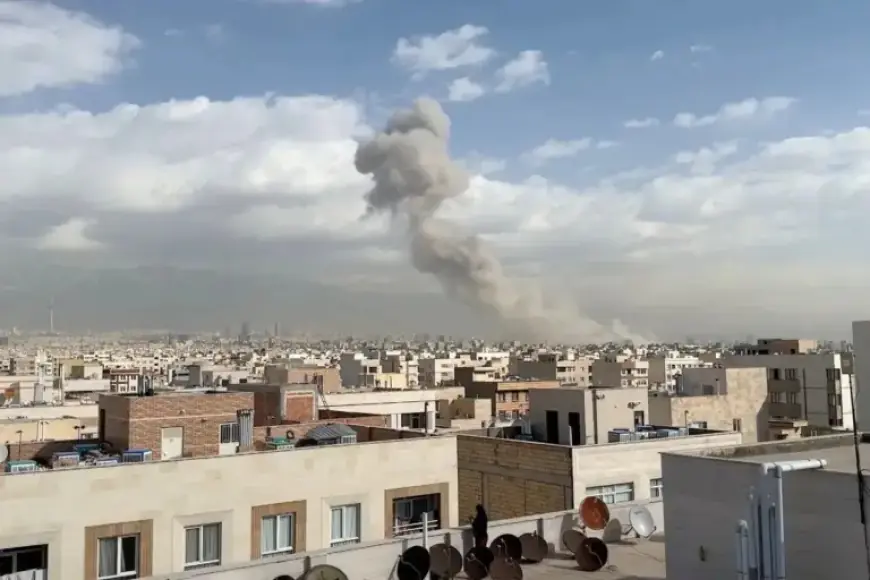
The United States and Israel have initiated a significant assault on Iran, marking a critical escalation in geopolitical tensions. The military strikes began on February 28, 2026, targeting key locations within Iran, including the residence of Supreme Leader Ayatollah Ali Khamenei in Tehran.
Details of the Assault
U.S. President Donald Trump announced the commencement of the attack in a televised address, calling on the Iranian populace to overthrow their government. He emphasized the long-standing grievances against the Iranian regime, which has been hostile towards the U.S. for nearly five decades.
Trump stated that the conflict might lead to American casualties but reiterated the necessity of the operation. The U.S. and its allies aim to pressure Iran concerning its nuclear program, which has been a point of contention for years.
Key Developments
- The strikes began with a focus on Tehran and extended to military and state infrastructure across Iran.
- Iran’s Revolutionary Guard responded by launching drones and missiles targeted at Israel, heightening regional tensions.
- Missile attacks were also reported near the U.S. Navy’s 5th Fleet headquarters in Bahrain.
- Explosions were documented in Kuwait and Qatar as Iran targeted U.S. military installations.
International Reactions
The Iranian government expressed a strong commitment to retaliate against what it described as an assault on its sovereignty. Officials warned of potential consequences for U.S. forces in the region.
Israel’s Prime Minister, Benjamin Netanyahu, characterized the joint strike as essential to eliminate a significant threat posed by Iran. He expressed hope that the actions would empower Iranian citizens to reclaim their governance.
Political Responses in the U.S.
U.S. lawmakers reacted sharply to the military action, reflecting a division in opinions. Supporters of the attack, like Sen. Lindsey Graham, endorsed it as a necessary step toward liberating Iran. Conversely, critics, including Rep. Thomas Massie, condemned the president for pursuing war without congressional approval.
Current Status and Implications
The situation remains volatile, with ongoing military activities and potential for further escalation. As nations in the region and beyond assess their positions, the international community watches closely to see how this major offensive unfolds.