

























Xdr Typhi Research 2022 Finds Drug-Resistant Typhoid Strains Rising and Crossing Borders

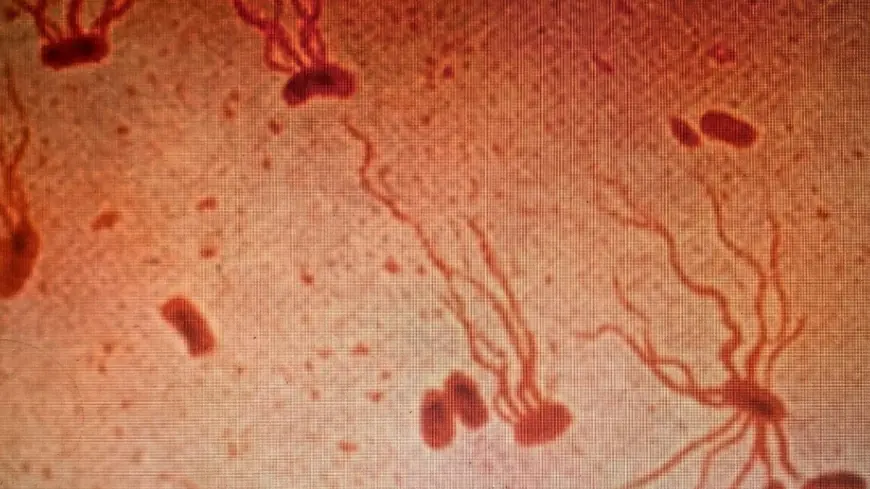
A major genomic study has documented a swift rise of extensively drug-resistant typhoid, highlighting a narrowing window for effective oral treatments. The xdr typhi research 2022 effort sequenced thousands of bacterial genomes and linked genetic change to both treatment failures and international spread, raising urgent prevention questions.
Xdr Typhi Research 2022: Genomes, timelines and geographic spread
Researchers sequenced 3, 489 Salmonella enterica serovar Typhi genomes collected from 2014 through 2019 in Nepal, Bangladesh, Pakistan and India, and found extensively drug-resistant (XDR) strains increasing in prevalence over that period. The study traces a pattern of emergence and exportation: nearly 200 instances of international spread have been identified since 1990, with exports largely to Southeast Asia and parts of Africa and documented occurrences as far afield as the UK, Canada and the United States.
The timeline in the dataset highlights a notable acceleration: the first XDR strain detected in Pakistan in 2016 had become the dominant genotype in that country by 2019. Parallel genetic trends were visible across South Asia, where mutations that conferred resistance to older and newer antibiotics accumulated over decades.
Antibiotics and clinical implications: resistance narrowing treatment options
What makes this notable is how resistance has eroded successive lines of oral therapy. XDR Typhi is impervious to long-standing first-line drugs such as ampicillin, chloramphenicol and trimethoprim/sulfamethoxazole, and has also acquired resistance to fluoroquinolones and third-generation cephalosporins. By the early 2000s, quinolone-resistance mutations accounted for more than 85 percent of cases in countries including Bangladesh, India, Pakistan, Nepal and Singapore.
As a result, only one oral antibiotic remains routinely effective: the macrolide azithromycin. The study found that mutations conferring resistance to azithromycin are now spreading, which creates the potential to eliminate oral treatment options entirely if those mutations combine with XDR strains. That chain of genetic events — mutation, selection under drug pressure, and then geographic dispersal — is the clear cause that underpins the observed rise in treatment-resistant infections.
Stanford infectious disease researcher Jason Andrews emphasized the rapidity of these shifts and the implications for control strategies. The loss of effective oral drugs would not only force reliance on more complex intravenous regimens but also complicate management in settings with limited hospital capacity.
Public-health impact and measurable burdens
The clinical and public-health impact is already apparent in routine metrics. In the United States, about 5, 700 typhoid cases occur annually, producing roughly 620 hospitalizations each year while deaths remain extremely rare. Untreated infections carry a far higher risk: fatality rates without treatment range from 10 to 20 percent. Globally, the displacement of susceptible strains by drug-resistant ones and the international exportation events documented in the genomic record increase the likelihood that resistant infections will appear wherever travel and trade connect populations.
The authors of the genomic analysis link these genetic trends to a policy imperative: prevention measures such as expanded vaccine access and strengthened sanitation must be scaled in regions with high transmission to slow both evolution and spread. The timing matters because the current genetic trajectory threatens to negate the last widely used oral therapy; delaying preventive action would likely increase reliance on parenteral drugs and heighten the burden on health systems.
In sum, the 2022 genomic surveillance mapped a clear cause-and-effect sequence — accumulation of resistance mutations driven by antibiotic pressure, replacement of susceptible strains, and international dissemination — that now constrains treatment options and elevates the urgency of prevention and containment efforts.