
























Rubio Memo Pushes Diplomats to Silence After Huckabee Remarks — The Guardian Exclusive

An unclassified diplomatic cable that obtained instructed US ambassadors in the Middle East to refrain from public statements, interviews, or social media activity that could inflame regional audiences or complicate US relationships. The move comes amid heightened concern that public comments could undermine high-stakes negotiations with Iran.
What memo says
The cable called for chiefs of mission and embassies at addressee posts to avoid commentary on issues that could heighten tensions or create confusion about US policy, emphasizing discipline in public messaging. It instructed diplomats to steer clear of statements that might prejudice sensitive political issues while tensions rose in the region.
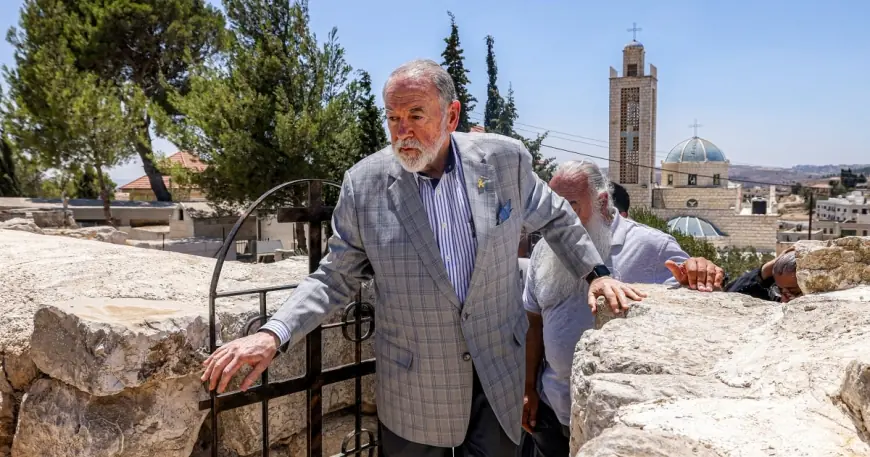
Inside the administration, the memo was widely read as a rebuke tied to recent public remarks by the US ambassador to Israel. Officials pointed to timing as a signal: the cable circulated shortly after the ambassador's comments provoked alarm across the Middle East. This is developing; details may evolve.
Huckabee remarks and regional outcry
The ambassador's interview that triggered the backlash focused on interpretations of biblical promises of land and touched on visions of expanded territorial claims. Excerpts from the exchange prompted condemnation across multiple regional capitals and a joint statement of strong concern from a group of Arab and Muslim states. The reaction included calls for clarification from US diplomatic authorities.
Those comments were described as extremist rhetoric by some foreign ministries, and other governments warned the remarks could embolden certain measures in the region. The ambassador later argued that short clips circulating did not reflect the full context of the lengthy interview.
How the memo ties to Iran talks and what comes next
The directive aimed to limit statements that could harden Iran's negotiating position ahead of critical discussions in Geneva between US envoys and Iranian representatives. Envoys returned to Washington disappointed after talks that focused on dismantling Iran's main enrichment sites and seeking a permanent deal without sunset provisions; negotiators pressed Iran to deliver up enriched stockpiles and eliminate enrichment capacity at specific facilities. Iran rejected proposals to stop enrichment or to ship enriched uranium abroad.
Officials inside the administration expressed concern that inflammatory public commentary could complicate those efforts. One inside source described the president as angry about interference with his negotiation efforts.
The memo also referenced planned travel by the secretary of state to meet Israel's prime minister, a step framed as part of ongoing diplomatic engagement in the region. Observers caution that public remarks by senior US representatives can shift bargaining positions quickly when negotiations are fragile.
Political fallout and forward look
- The directive signals a push for tighter control of diplomatic messaging in a sensitive moment.
- Regional leaders reacted strongly to religiously framed claims about territorial rights, widening diplomatic fallout.
- Negotiations with Iran remain fragile after a round of talks described as largely unsuccessful; the path forward will depend on whether diplomatic channels can reset without new public flashpoints.
Coverage by emphasized the memo's aim to prevent confusion about official policy and to avoid statements that could inflame regional audiences. Given the high stakes, coordination of public messaging will likely remain a priority for US officials, even as details of the memo and its implications continue to unfold.
This is a developing story; details may evolve as further information becomes available.