

























Israel’s Defense Minister Announces Preemptive Strike Plan Against Iran

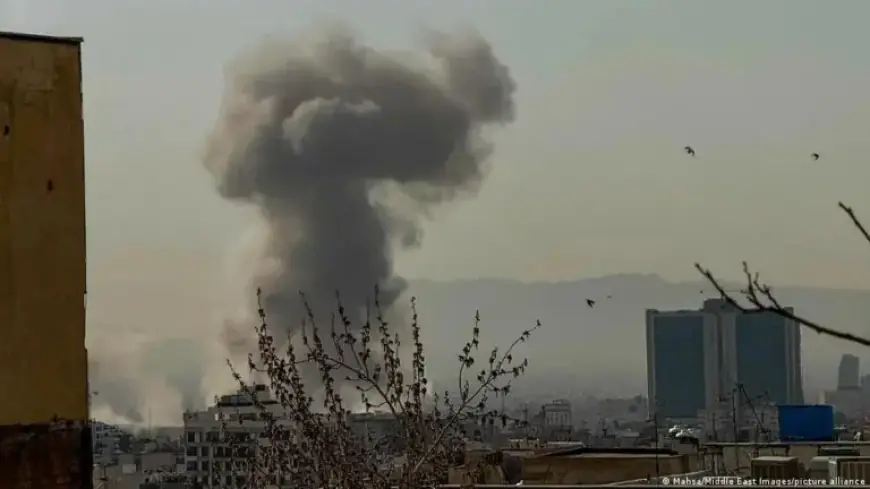
Israel’s Defense Minister, Yoav Gallant, announced a preemptive strike against Iran, aimed at mitigating threats towards Israel. This announcement on Saturday, March 9, coincided with rising tensions in the region. Gallant issued a warning about the potential for missile and drone attacks targeting civilian populations in Israel following this military action.
Emergency Measures Implemented
In light of the preemptive strike, an emergency order for special circumstances was declared across Israel. Citizens were advised to adhere to instructions from the Home Front Command and remain in designated protected areas.
U.S. Position on Iran’s Nuclear Program
Prior to this Israeli action, former U.S. President Donald Trump expressed dissatisfaction with ongoing nuclear negotiations with Iran. Trump emphasized that the United States would not allow Iran to obtain nuclear weapons, although he maintained that a final military decision had not yet been made.
Reports indicated that the U.S. was exploring limited military options. On Friday, March 8, Trump addressed journalists, criticizing Iran’s unwillingness to meet U.S. demands regarding its nuclear program. He noted that Iran’s actions over the past four decades had endangered American lives and interests.
Recent Negotiations and Comments
Despite Trump’s stern rhetoric, Oman’s Foreign Minister, Badr al-Busaidi, claimed that a peace agreement between the U.S. and Iran was now within reach. Following indirect talks facilitated by Oman on Thursday, March 7, he suggested that significant progress had been made. Iran reportedly agreed to forgo the storage of enriched uranium as part of potential negotiations.
Heightened Military Presence
In recent weeks, the United States has significantly increased its military presence in the region. Trump has repeatedly threatened Iran with military action, urging them to reach an agreement regarding their nuclear and missile programs by early March.
Impact on Diplomatic Relations
In a related development, the U.S. government has advised its embassy staff in Israel to evacuate immediately, suggesting that non-essential personnel and their families leave the country while commercial flights are still available. Consequently, embassy operations are being closely monitored.
- The U.S. Embassy urged staff to depart Israel promptly.
- Germany issued travel warnings for Israel but maintained an active embassy.
- The U.K. temporarily relocated diplomatic staff from Iran due to security concerns.
- Canada also partially withdrew embassy personnel from Tel Aviv and advised citizens in Iran to leave.
With emerging diplomatic talks contrasted by increasing military tensions, the situation remains fluid, and the international community watches closely as events unfold.