

























Neil Sedaka, singer of Breaking Up Is Hard To Do, dies at 86 — a career rewind

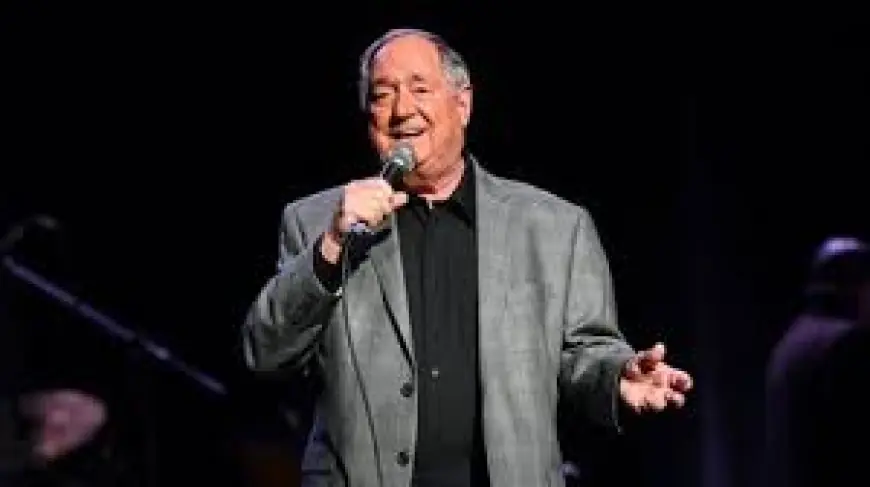
Why this matters now: neil sedaka’s death at 86 closes a long-running chapter in American pop — a career that moved from Juilliard-trained piano ambitions to assembly-line pop hits, songwriting partnerships and steady reinvention across six decades. The mix of teenage teen-idol success, songwriting for others, mid-career decline and later revival helps explain both his industry influence and the affectionate family response to his passing.
Neil Sedaka’s arc: how training, partnerships and reinvention shaped a long career
Born in 1939 and raised in Brooklyn, Sedaka was a child prodigy at the piano, winning a scholarship to the Juilliard School in New York at age nine. He first trained toward a concert-pianist path before shifting into singing and pop songwriting. At 13 he befriended his 16-year-old neighbour Howard Greenfield and began a songwriting partnership that lasted more than a decade; he wrote his first hit with a neighbour while still a teenager. That early foundation—classical training plus a tight pop-writing partnership—set the template for a career that intertwined solo hits and songs written for other artists.
What is known about his death and the family statement
He has died at the age of 86. A representative confirmed his death on Friday, and the family said they were "devastated by the sudden passing of our beloved husband, father and grandfather. " The family described him as a "true rock and roll legend, an inspiration to millions" and "an incredible human being who will be deeply missed. " The family did not disclose his cause of death or where he died; some accounts said he was taken to hospital in Los Angeles, but the location is unclear in the provided context.
Signature songs, collaborators and industry reach
Sedaka wrote and performed a string of hits through the 1950s and 1960s, including Oh! Carol, Breaking Up Is Hard To Do, Bad Blood, Laughter in the Rain and Calendar Girl, and Happy Birthday Sweet Sixteen. He also wrote successful material performed by other artists: Connie Francis recorded and released "Stupid Cupid" in 1958, and he wrote Love Will Keep Us Together for the duo Captain & Tennille, a song that helped return him to the Top 10 in 1975. In 1973 he collaborated with ABBA to write English lyrics for Ring Ring, and he wrote songs for Rosemary Clooney, Patsy Cline, Engelbert Humperdinck, the Carpenters and Cher. He recorded several albums for Elton John’s record label and briefly signed to the Rocket label in the 1970s; across his career he also wrote hits for several other famous musicians.
Commercial peaks, setbacks and durability
Between 1959 and 1963 Sedaka sold more than 25 million records, and he was nominated for his first Grammy in 1962. He was later nominated for five Grammy awards over the course of his career. The arrival of the Beatles-led British Invasion in the mid-1960s dimmed the spotlight on his style: his popular music faded from the late 1960s as that era took hold in the United States, and he later said that period significantly reduced his work between 1963 and 1975. Yet he sustained a six-decade career by touring and performing, and he returned to commercial prominence in the 1970s through songwriting and new recordings.
Early milestones and notable anecdotes
- 1956: Briefly invited to audition for a place at the Tchaikovsky Conservatory in Moscow, then disinvited after organisers learned his name was linked to American rock and roll.
- Late 1950s: Founder of the doo-wop group The Tokens.
- 1958: "Stupid Cupid" recorded by Connie Francis.
- 1959–1963: Peak sales period, more than 25 million records sold.
- 1975: Returned to Billboard Top 10 after writing Love Will Keep Us Together for Captain & Tennille.
Schedule note: these dates and milestones are taken from the record of his career as provided; the timeline above is a compressed view of the high points mentioned.
Here’s the part that matters to dedicated listeners and younger songwriters: Sedaka’s path combined formal musical study, a durable writing partnership and a willingness to write for others. That mix created both immediate hits and a catalog that other performers could inhabit for decades.
Later reflections and persona
He described playing classical music as "wonderful for the soul" and said travelling to perform his own lyrics was a "very rewarding feeling"; he told audiences in 2012 that he had no regrets about choosing that path. He also spoke candidly about fame, noting that it requires giving up some privacy even as it brings practical perks. In 2012 he visited London to perform a piano concerto at Royal Albert Hall and planned shows for audiences not used to attending serious concerts. A short video titled "Sedaka: 'Music has kept me going'" runs 3 minutes 33 seconds as part of that coverage.
Micro takeaway: his work is threaded through pop history—from Brill Building songwriting rooms that nurtured peers like Paul Simon, Burt Bacharach and Carole King (who he dated in high school), to 1970s collaborations and late-career touring—so the loss is felt across several musical generations.
It’s easy to overlook, but Sedaka’s combination of formal training and pop craftsmanship helped songs move between performers and eras in ways few contemporaries matched.
The real question now is how estates, performers and programmers will steward a catalog that spans teen-idol hits, songwriter-for-hire classics and late-career revivals; confirmation of some details — including the precise circumstances and location of his death — remain unclear in the provided context.