

























Haifa and the Long Cruise: 'Ford' Nears Record Deployment as Navy Signals Readiness

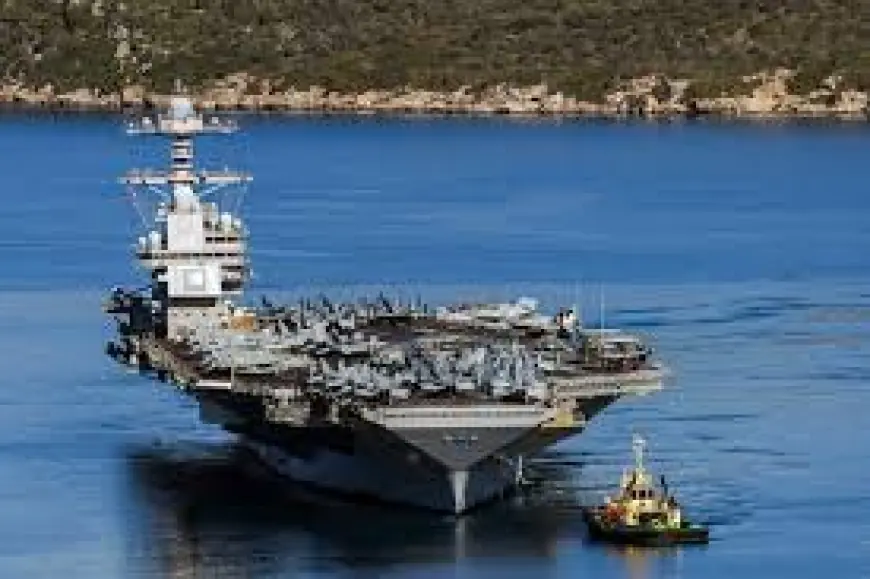
Haifa appears in discussions of the eastern Mediterranean theater as the USS Gerald R. Ford pushes past eight months at sea, a deployment that has tested shipboard sustainment and drawn fresh scrutiny of fleet scheduling.
Ford extends time at sea after shifting theaters
The carrier left Naval Station Norfolk on June 24, 2025, for what the Navy had called a routine Mediterranean rotation but has since remained underway through successive missions. The strike group operated in the Atlantic and the U. S. Sixth Fleet area, transited the Strait of Gibraltar in November 2025 for operations in the Caribbean under U. S. Southern Command, and by mid‑February 2026 was back in the Mediterranean.
As of Feb. 20 the deployment had reached 241 days. Officials have framed the mission around endurance and sustainment while saying the ship remains fully mission capable.
Haifa figures in regional maps as carrier patrols Mediterranean
The long voyage has required large-scale logistics: the Navy cited more than 4 million meals served and the production of more than 400, 000 gallons of potable water daily to support thousands of personnel aboard the nuclear‑powered carrier. The service also highlighted expanded satellite connectivity that helped sailors stay in touch with families during the extended cruise.
The Ford is the lead ship of its class and includes new launch and recovery systems designed to raise sortie rates and lower maintenance strain. The carrier’s Electromagnetic Aircraft Launch System and advanced arresting gear are under sustained operational test as the ship continues flight operations across multiple theaters.
Extended deployment raises questions about tempo and readiness
What began as a routine rotation now stands among the fleet’s longest active deployments. The extended timeline has intensified scrutiny of Sailor dwell time and strain on a carrier force tasked with sustained global presence. Each added month increases demands on engineering systems, aviation maintenance cycles and crew tempo as the strike group generates flight operations, maintains ordnance and supports escort ships while remaining self‑sufficient at sea.
The carrier’s November transit west through the Strait of Gibraltar triggered regional reactions, including a military mobilization announcement from Caracas as the ship entered the Caribbean; Pentagon statements tied that shift to an expanded posture aimed at disrupting illicit activity, with additional air assets staged in Puerto Rico also noted by defense officials.
Officials continue to describe the Ford as mission capable and point to the ship’s logistical figures as evidence of sustainment at sea. The extended deployment also provides a real‑world stress test for the Ford’s design, which the Navy says is intended to increase sortie generation and reduce long‑term maintenance compared with older carriers.
If the deployment continues past mid‑April, the carrier would exceed 294 days at sea, approaching a post‑Vietnam era benchmark for U. S. aircraft carrier deployments. That mid‑April threshold stands as the next clear milepost for the Ford’s time underway.