

























Denver report sets stage for tipped-wage change as councilman readies proposal

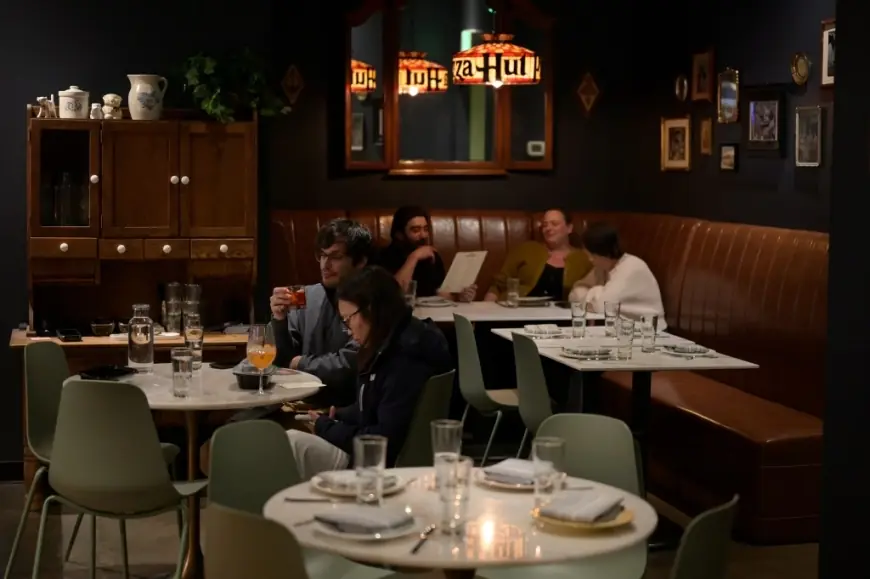
A new industry report released Friday morning lays groundwork for changes to denver’s tipped-wage policy, and City Councilman Darrell Watson confirmed he will present a proposal on the issue to fellow council members before the end of March.
Denver tipped-wage change headed to council
Watson said he will lead a process focused on the city’s tipped credit. "I will be leading a process to focus on the tipped credit that’s a balanced approach, " he said. Under current rules, employers that hire tipped workers can offset wages by up to $3. 02 per hour, meaning those employers must pay tipped workers at least $16. 27 per hour as of January under the city’s inflation-adjusted minimum wage. The city’s full minimum wage stands at $19. 29 per hour; if tipped workers don’t earn enough in tips to reach that level, employers must make up the difference. The report notes that any decrease to the required employer-paid portion would shift more of workers’ pay onto tips and ultimately reduce take-home pay.
Report catalogues labor, permitting and safety pressures
The study, commissioned by Visit Denver in collaboration with Denver’s Economic Development & Opportunity department and inKind, is based on dozens of interviews and surveys, analysis of financial statements and federal labor statistics. The authors, Adam Schlegel and Dana Faulk Query, identified labor costs as "the most frequently cited challenge among operators" and "the most destabilizing factor" for full-service restaurants. Their analysis found denver had 15% fewer full-service restaurant jobs in 2025 than it did at the beginning of 2020, while the industry’s overall workforce fell about 6% over the same period. The report also highlights permitting and public-safety concerns as central strains on operators, and notes that restaurants account for roughly 13 percent of the city's sales tax and nearly 10 percent of its jobs.
Restaurateurs describe cuts, price pressure and safety worries
Owners described concrete changes already under way: many restaurants have reduced wait staff, cut servers’ hours and introduced kiosk ordering stations. One owner told the researchers they were absorbing higher bills for labor, food, insurance and trash while guests had reached their limit on what they could pay for a night out. Another operator warned that a large projected increase in the tipped minimum wage had not been part of normal business planning: "There is no world where you’d project a 95% increase in the tipped minimum wage when you’re writing a business plan or financial projections, " the owner said. The report’s authors were chosen last summer to serve as the city’s new restaurant liaisons and spent months interviewing restaurateurs and city officials for their findings.
The immediate outcome is clear: the report has given industry leaders and city officials a common set of data to use as debate moves to the municipal level. Watson’s pledge to bring a proposal before the end of March is the next confirmed step in that process, and the council will consider any formal change after he presents his plan.