

























Trump Unhappy with Iran Nuclear Talks, Willing to Allow More Time

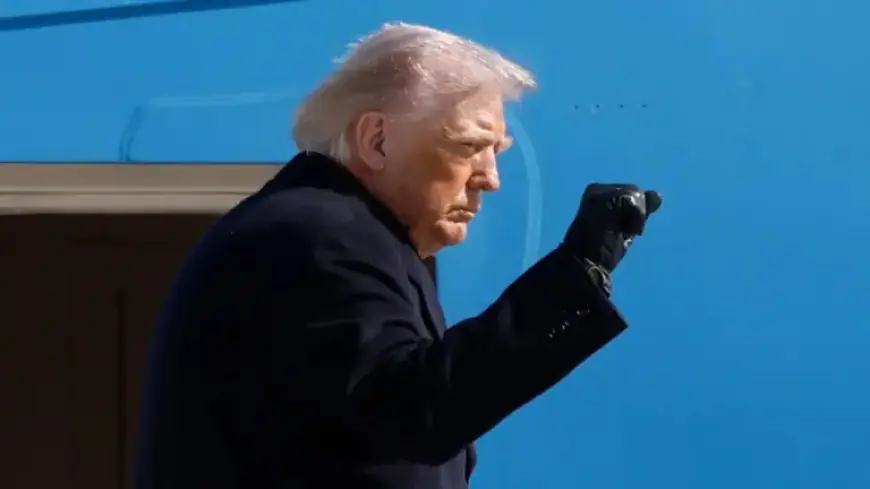
President Donald Trump has expressed dissatisfaction with the current state of negotiations regarding Iran’s nuclear program. Despite his frustration, he is willing to allow negotiators more time to reach a comprehensive agreement aimed at preventing another military conflict in the Middle East.
Recent Developments in Iran Nuclear Talks
On February 27, 2025, Trump declared he was “not happy” with the latest indirect talks held in Geneva between U.S. officials and Iranian representatives. These discussions ended without a clear resolution. The U.S. continues to build military presence in the region amid concerns that Iran is unwilling to adhere to demands regarding its nuclear program.
Trump stated, “We’re not exactly happy with the way they’re negotiating. They cannot have nuclear weapons.” His administration remains adamant that Iran should not enrich uranium for any purpose, despite Iranian claims of pursuing nuclear energy for peaceful purposes.
Negotiator Perspectives
The chief mediator of the talks, Oman’s Foreign Minister Badr al-Busaidi, publicly encouraged giving negotiators more space to finalize discussions. He suggested that a favorable deal could be near if the diplomatic process continues.
Also, Iran’s Foreign Minister Abbas Araghchi emphasized the need for relief from significant international sanctions as part of the negotiations.
Potential Military Action
Trump has not ruled out military action should negotiations fail. He remarked on the inherent risks of engaging in conflict, stating, “You know, when there’s war, there’s a risk of anything, both good and bad.” His remarks come as U.S. Secretary of State Marco Rubio prepares to visit Israel to address various regional issues, including Iran.
International Response and Advisories
Recent developments have prompted the U.S. Embassy in Israel to implement an authorized departure status for nonessential personnel. Ambassador Mike Huckabee urged staff to leave the country swiftly due to the escalating security situation. Other nations, including the U.K. and Australia, have also advised their citizens to evacuate amid rising tensions.
Impact on Air Travel
- Airlines, including KLM, are suspending flights out of Israel’s Ben-Gurion International Airport.
- The U.K. has temporarily withdrawn some diplomatic staff from Israel as a precaution.
- China and India have issued travel advisories urging their citizens to avoid travel to Iran.
Nuclear Oversight and Future Steps
The International Atomic Energy Agency (IAEA) has reported that Iran has not permitted inspectors access to certain critical nuclear sites since previous military engagements. The report raises concerns about Iran’s nuclear claims post-conflict.
U.N. Secretary-General António Guterres has called for a focus on diplomacy while expressing concerns about military movements in the region. He has reaffirmed the importance of continued dialogue between the U.S. and Iran to reach a peaceful resolution.
As tensions mount, the potential for a military strike remains a significant concern, prompting international scrutiny and calls for diplomatic engagement.