
























Punch The Monkey Update: How a rejected macaque's viral hug opened a wider conversation

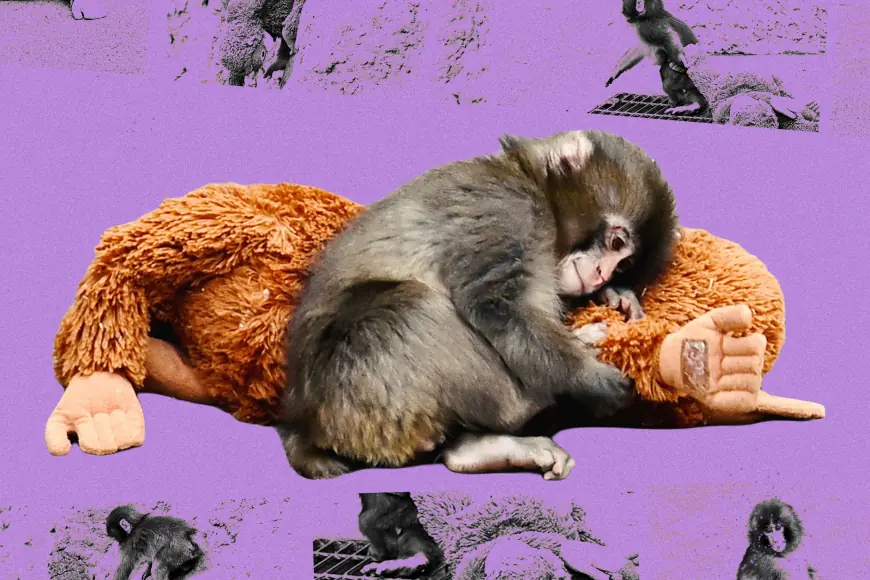
Why this matters now: the punch the monkey update traces a sudden viral spike from a Feb. 5 post at Ichikawa City Zoo to fresh footage showing social progress, and it reveals how a single image of a baby macaque with a stuffed orangutan triggered global attention, long lines at the zoo and a scramble for the toy itself. The story moved from shock to follow-up in hours, and the new videos of peer grooming alter how people are responding.
Punch The Monkey Update — the rewind that explains the moment
The moment that rippled outward began with a routine update posted on Feb. 5 by staff at Ichikawa City Zoo, about 12 miles from central Tokyo. Within hours, clips of Punch, a 7-month-old Japanese macaque, spread across social media and drew millions of views. The hashtag #HangInTherePunch circulated worldwide. People lined up outside the zoo; many contacted the zoo from abroad, convinced Punch was being bullied and seeking intervention. An Ikea stuffed orangutan the monkey carried everywhere sold out across multiple regions within days.
What happened next and what the footage now shows
Punch was rejected by his mother shortly after birth and was raised by zookeepers. When staff later introduced him to the troop, he was pushed away, swatted and corrected for behaviors he hadn’t learned — and repeatedly returned to the plush toy fans nicknamed "Ora-mama. " Zookeepers had given him the soft toy as a substitute for maternal contact, and early videos showed him dragging and playing with it constantly.
Recent footage, however, presents a softer arc: Punch was given a hug by one monkey and was seen grooming others, a behavior identified as central to macaque socialization. Matt Lovatt, director for the Trentham Monkey Forest in the UK, said that seeing Punch start to groom is important because grooming is the key way these primates build friendships within their group.
- Public reaction: millions of views, the #HangInTherePunch hashtag, long lines outside the zoo and international contact demanding intervention.
- Market impact: the stuffed orangutan carried by Punch sold out across multiple regions within days.
- Behavioral signal: new videos show a peer hug and grooming, both markers of social integration for macaques.
- Immediate animal-care fact: Punch was raised by zookeepers after maternal rejection and initially relied heavily on the plush toy.
Here’s the part that matters to caretakers and observers: the move from solitary reliance on a toy to reciprocal grooming and a peer hug is the clearest signal available that Punch is beginning to be accepted by the troop.
Personal resonance, social science and primate behavior
The viral images have struck a deep chord for some viewers. One writer recounted being abandoned by her mother, describing being left on a stairwell in Hong Kong in 1959, spending 17 months in an orphanage, then being adopted by a Chinese American immigrant couple. That writer also said the adoptive mother struggled with severe, untreated mental illness that made warmth and physical affection difficult, which shaped a lifelong fear of rejection and a desperate need to belong.
A memory recalled from childhood: at age 10 an "Auntie" braided the writer's hair slowly and unhurriedly, producing a powerful emotional response. Among primates, grooming functions as that language — trust, safety and inclusion made physical. The writer also referenced an older female macaque at the Ichikawa Zoo named Ansing d
Wider context: a 2023 survey found that only 38% of Americans describe themselves as securely attached, and those with an anxious attachment style are more than three times as likely to report chronic loneliness. Those statistics help explain why images of Punch arranging a toy’s arms around his small body and building an embrace where none existed resonated so widely.
It’s easy to overlook, but the personal history threaded through public reaction shows why viewers project human longing onto the macaque and why the plush toy quickly became a cultural touchstone.
Other headlines that appeared alongside this coverage
- A suspect wanted for multiple counts of theft was caught outside a temple on the outskirts of Bangkok.
- A court is due to deliver its verdict in the insurrection trial of Yoon Suk Yeol.
- Arunoday Mukharji explains why India needs to capitalise on the momentum.
- A Lakshmi goddess shrine at a Bangkok shopping mall has become a place where young people come to pray for love.
- Azadeh Moshiri visited Sheikh Hasina's former residence, which is now a memorial for the student protesters killed in the 2024 uprising.
- It is the first election since the 2024 Gen Z uprising that toppled Bangladesh's long-serving prime minister Sheikh Hasina.
- A pro-democracy media tycoon was sentenced to 20 years in jail by the Hong Kong High Court.
- At least 31 people have been killed after a suicide bomber detonated a device at a Shia mosque.
- A mayor in the Philippines survived a rocket launcher attack on his vehicle in broad daylight.
- Jonathan Head called a 'devastating' accident an enormous setback for Thailand's efforts to modernise its infrastructure.
- Voters in Myanmar's election say the poll is taking place in a "climate of fear, " the South East Asia correspondent Jonathan Head reports.
- Hong Kong media tycoon Jimmy Lai has been found guilty of foreign collusion following a landmark national security trial.
- Thousands of adoring supporters had paid up to 12, 000 rupees (£100; $133) to catch a glimpse of the football star.
Final practical note: the punch the monkey update has shifted from a single viral image to ongoing footage showing change; continued evidence of grooming and peer contact will further clarify Punch’s path toward group integration. The real question now is whether those signals continue to multiply and how zoo caretakers manage public attention while supporting social recovery.
A brief aside from the desk: scenes like this are rare to follow in near real time, and while hope is easy to project onto a single clip, incremental social behavior in primates is the clearest sign of progress.