
























Pakistan Rejects Dialogue with Afghanistan Amid Ongoing Attacks

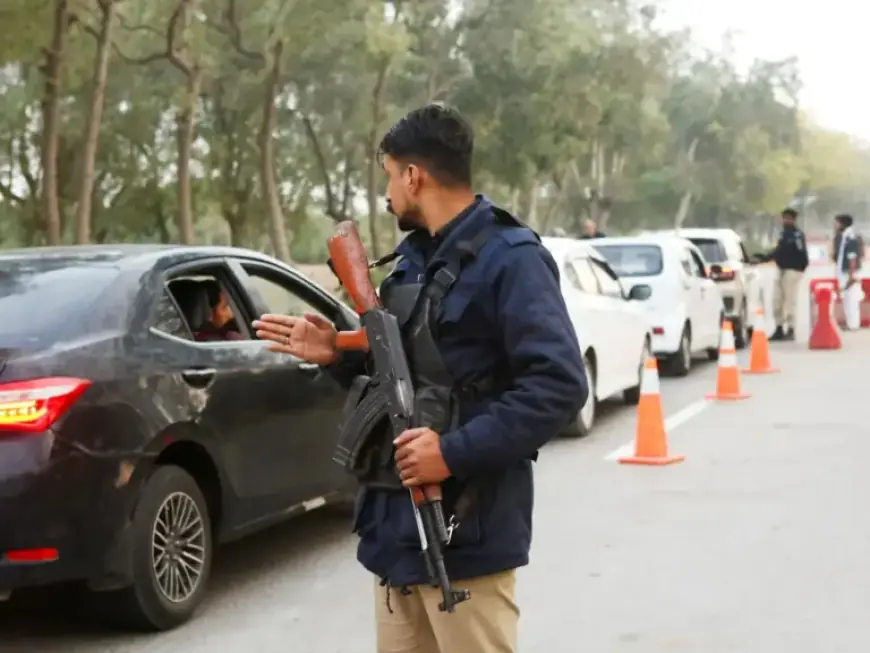
Pakistan’s stance on dialogue with Afghanistan has become increasingly firm amid rising violence. The situation escalated with a drone attack on a mosque in Bannu, Pakistan, injuring at least five people. This incident is part of a broader conflict that has erupted between the two nations.
Pakistan-Afghanistan Tensions Increase
For three consecutive days, fighting has intensified along the border, leading some officials to declare it an “open war.” The violence marks one of the worst escalations in recent months. High-profile calls for mediation, including from the European Union’s foreign policy chief Kaja Kallas, highlight growing international concern.
International Calls for De-escalation
- The European Union urges both nations to engage in dialogue to address the crisis.
- Iran, Jordan, the United Arab Emirates, and Russia have also called for peace talks.
- UN Secretary-General Antonio Guterres has emphasized the need for an end to hostilities.
While Afghanistan’s Taliban leaders express a willingness to negotiate, Pakistan’s officials maintain a hardline position. Mosharraf Zaidi, spokesperson for the Pakistani Prime Minister, stated unequivocally: “There will be no dialogue.” According to him, for talks to occur, terrorism emanating from Afghanistan must cease.
Escalating Attacks on Both Sides
The most recent wave of violence began with Pakistani airstrikes targeting militant positions in Afghanistan, which prompted retaliatory drone attacks by Afghan forces. Afghan media reported these attacks focused on Pakistani military camps in the Miranshah and Spinwam regions.
Pakistan responded with air operations against several Taliban positions in Afghanistan, including significant strikes around Kabul, Kandahar, and Paktia. This marks the first such military action since the Taliban regained control of Afghanistan in 2021.
Casualty Estimates and Conflict Dynamics
| Country | Reported Casualties |
|---|---|
| Pakistan | 12 soldiers, 274 Taliban fighters |
| Afghanistan | 13 fighters, 55 Pakistani soldiers |
These conflicting casualty figures have yet to be independently verified. The United States continues to stand with Pakistan, supporting its right to defend against attacks attributed to the Taliban.
Domestic Violence and Regional Implications
Pakistan has seen a notable increase in violence in recent years, highlighted by frequent suicide bombings and attacks on security forces. Authorities in Pakistan hold the Pakistan Taliban, or TTP, responsible for many incidents, claiming they find refuge in Afghanistan. Meanwhile, Afghan officials deny these accusations, asserting no one is allowed to use Afghan territory for offensive actions against Pakistan.
As tensions heighten, the consequences of the ongoing strife threaten wider regional stability, with calls for calm growing ever more urgent.