
























Trudi Burgess left tetraplegic after ‘Jekyll and Hyde’ partner broke her neck — attacker jailed for 16 years

Why this matters now: Trudi Burgess, 57, a schoolteacher and former singer from Chorley, has had her life destroyed and now requires continuous specialist care after her partner assaulted her when she tried to leave. The man convicted over that assault has been jailed for 16 years, but the human consequences for Burgess — permanent paralysis, constant pain and total dependency — are immediate and long-term.
Immediate human impact on Trudi Burgess
Trudi Burgess is tetraplegic following a violent assault that severed her spinal cord. She will never walk again, needs continuous care, is in constant pain, cannot cough without help, has no use of her hands and has lost control of bladder and bowel functions. Burgess remains in a spinal injuries rehabilitation unit and attended the sentencing hearing in person to deliver a victim impact statement describing emotional shattering, bouts of depression, daily anxiety, symptoms consistent with PTSD, flashbacks and nightmares. She said her future had been rewritten and that the attacker had a "Jekyll and Hyde" personality.
What the court decided and legal details
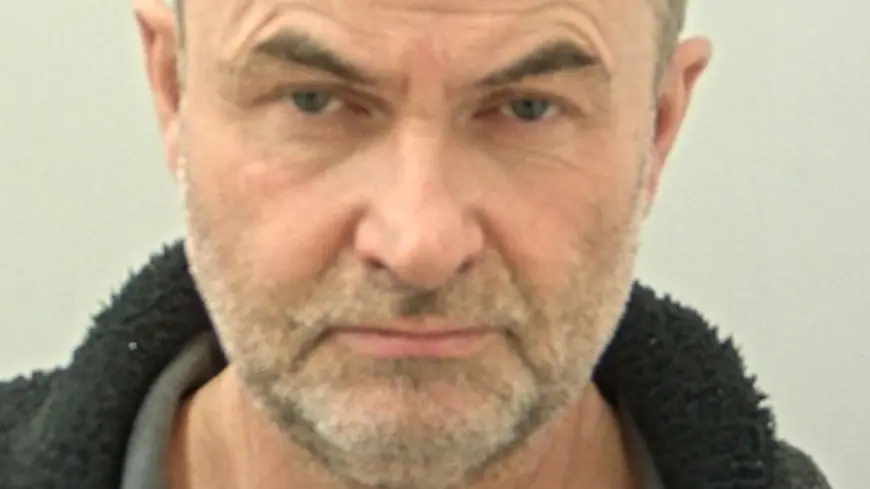
The defendant, Robert Easom, 57, has been sentenced to 16 years in prison. The sentence was followed by a four-year extended licence period. Easom is a landscape gardener of Chipping near Preston. A jury at Preston Crown Court reached its verdict after 27 minutes of deliberation in November, convicting him following a trial. The exact legal label for the conviction appears differently in the material available here; that specific technical distinction is unclear in the provided context.
At sentencing, the judge, Robert Altham, said no sentence could equal the harm caused and explained that, while not treating the case as one requiring a life sentence, an extended determinate sentence was necessary to protect the public.
Events embedded in the pattern of abuse (mini timeline)
- About seven months into the relationship: during a trip to York, Easom "switched" into a rage, dragged Burgess around a bathroom and threatened her with a Rambo quote; when she tried to leave he begged her to stay.
- 2019: Easom grabbed Burgess's wine and dragged her upstairs by the head, banging her against each step.
- 2021 (again in York): Easom placed a sheet over Burgess's head and strangled her; the next day he dismissed the attack as a lesson.
- 17 February 2025: When Burgess told Easom she was leaving, he launched a brutal assault that severed her spinal cord and left her paralysed; Easom later called 999 and said she had fallen out of bed and landed badly on her neck.
Here’s the part that matters: these events are not isolated — they are the climax of what police described as a relentless eight-year campaign of coercive and controlling behaviour.
Patterns of coercion and daily harm
Lancashire Police described repeated coercive and controlling behaviour across the relationship, and Easom had admitted engaging in such behaviour between July 2017 and February 2025, along with two offences of assault occasioning actual bodily harm. Burgess documented the abuse in the notes section of her phone because she felt ashamed to tell her family. Examples from that record include being forced to clean up spilled food, being pushed against furniture, shouted at, head-butted, driven dangerously to be frightened and regularly verbally abused — at times being called "a fucking teacher bitch. "
Prosecutor Sarah Magill told the court the relationship swung between apparent affection and sudden harm: one minute Burgess would feel loved, the next she would be hurt, humiliated and made to feel small. Burgess said she became trapped in a cycle in which attempts to leave were met with belittling and claims she could not cope without him. On the day she made a final attempt to leave, a question about a habitual cottage pie became the moment he flew into an uncontrollable rage; Burgess heard her neck crack during the assault.
Aftermath, statements and what the sentence signals
Outside court, a statement read by Burgess's brother, Charlie, said the sentence reflects the seriousness of the harm done and sends a message that such violence will be taken seriously, though it cannot undo what has happened to Burgess. The judge emphasised the lasting impact on her life and the need to protect the public.
It is clear the criminal sentence addresses culpability and public protection; it does not remove the lifelong care needs now faced by Burgess or the emotional and physical consequences catalogued in her victim impact statement.
It’s easy to overlook, but the clinical details matter for planning support: a complete spinal cord injury with tetraplegia implies lifelong specialist rehabilitation and round-the-clock assistance, both medically and in daily living.
Writer's aside: Cases like this often expose gaps between court outcomes and the practical needs of survivors — securing long-term care, pain management and psychological support can be as urgent as securing convictions.