

















Kansas Trans Driver's License Invalidated as New Law Voids IDs and Institutes Bathroom Rules

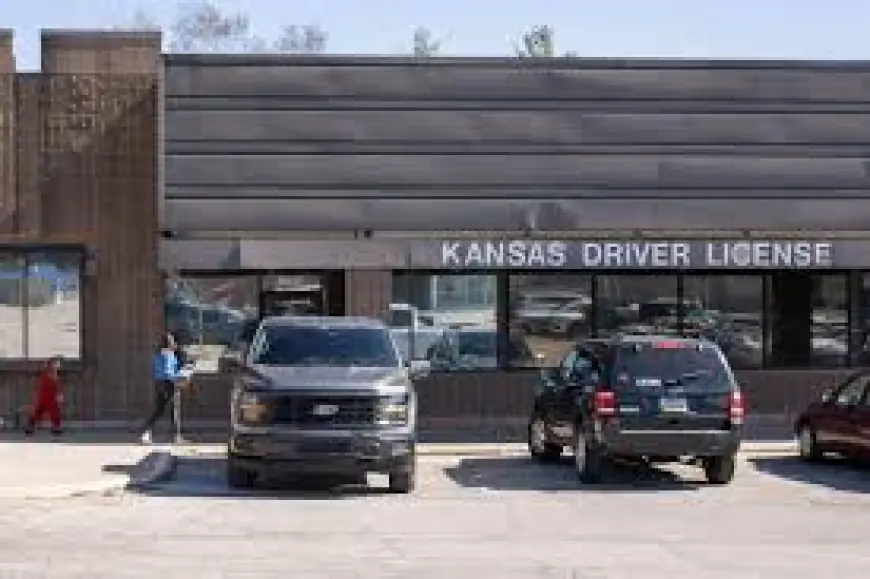
Kansas informed transgender residents that their driver’s licenses will become invalid on Thursday as a new state law takes effect. The measure simultaneously voids certain identification and imposes new bathroom rules, a change with immediate administrative and daily-life consequences for affected people.
Kansas Trans Driver's License: What changes take effect on Thursday
The state has notified transgender residents that, beginning Thursday, the legal status of some driver’s licenses will change. The new law takes effect at that time and directly causes the invalidation of those IDs. This is a concrete, time-bound administrative action: licenses identified under the law will no longer be valid starting Thursday, producing an immediate effect on legal driving credentials.
What makes this notable is that the statute does more than alter license status; it is described as a first-of-its-kind law that couples revocation of identification with rules about restroom access, bundling identity-document changes and public-accommodation restrictions in one legislative package.
New law revokes IDs and enacts bathroom rules
The core provisions now in force revoke transgender-identifying IDs and introduce new bathroom rules. The legislation’s activation is the direct cause of both actions: by taking effect, the law voids certain IDs and simultaneously enacts regulatory changes governing restroom use.
Those two outcomes—ID revocation and bathroom restrictions—are measurable administrative impacts. The revocation immediately alters who holds valid state-issued driving credentials, and the bathroom provisions create new behavioral and enforcement expectations applicable in public settings. Together, they convert statutory language into enforceable conditions on identity documents and public facilities.
Impact on trans residents and state administration
Transgender residents have been put on notice that the state’s recognition of particular driver’s licenses will cease on Thursday. The notification itself is an official action that signals the start of enforcement and administrative follow-through tied to the law’s effective date.
The cause-and-effect chain is straightforward: a newly enacted statute takes effect, the state notifies affected individuals, and specified credentials become invalid. That invalidation will require residents who previously relied on those IDs to confront immediate logistical questions about driving, identification, and access to services that depend on state-issued credentials.
Administratively, the state will need to implement procedures to identify and mark the affected licenses as invalid and to apply the bathroom rules that the law establishes. The timing matters because transition-day enforcement will determine how quickly daily routines are disrupted and how rapidly public institutions must adapt to the new regulatory framework.
The broader implication is that a single legislative act has produced simultaneous changes in both identity documentation and public-access rules, creating a compound effect on individuals and institutions. For those whose licenses are voided, the consequences will be immediate and practical; for businesses and public facilities, new compliance expectations will accompany the law’s activation.
No additional details about legislative sponsors, implementation protocols, or appeals processes have been provided alongside the notice that takes effect Thursday. The law’s enactment and the state’s notification establish a clear timeline and set of administrative consequences that will begin on the specified day.