




















Jamaica Schools Began Rebuilding Within Two Weeks After Hurricane Melissa

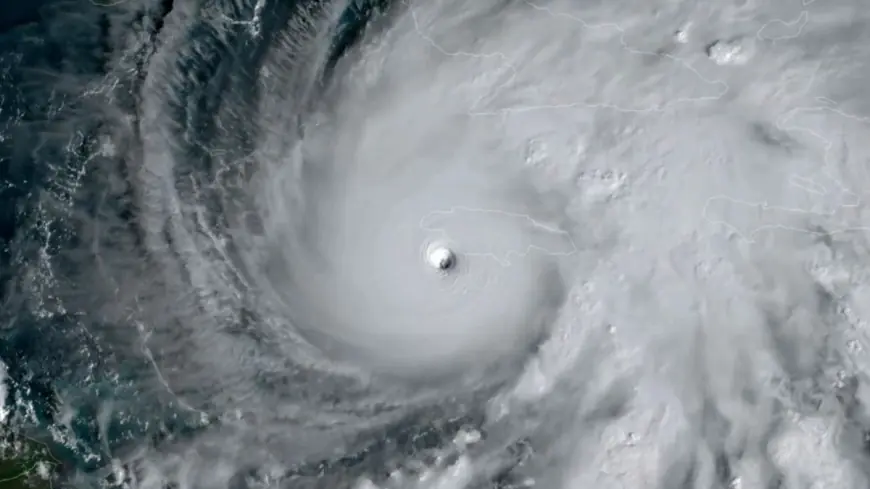
Four months after Hurricane Melissa made landfall in Jamaica as the strongest hurricane ever to strike the island, recovery is in full swing — but the road ahead remains long. Today, Friday, February 27, 2026 ET, fresh reports confirm schools are being restored in St. Ann parish, tourism is approaching 80% capacity, and the Bank of Jamaica has extended its recovery outlook to a full four years.
Jamaica Schools Begin Rebuilding Four Months After Hurricane Melissa
As of February 26, 2026 ET, Jamaica's National Education Trust has stepped up restoration efforts at schools in St. Ann, helping damaged institutions rebuild and restore normality. The trust recently visited Bamboo Primary School and Marcus Garvey Technical High School, both of which sustained significant infrastructural damage during the storm, with classrooms affected and roofs torn off.
At Bamboo Primary, Acting Vice Principal Tricia Scarlett-Cameron welcomed the progress and expressed sincere appreciation for the swift intervention and ongoing construction works, confirming that roofing works had been completed to a high standard. Of Jamaica's 1,010 public schools, 721 were damaged and 160 remained closed six weeks after the hurricane — meaning today's school restoration updates represent tangible progress that was far from certain in November 2025.
Hurricane Melissa Jamaica Landfall: The Storm That Changed Everything
On October 28, 2025, Hurricane Melissa made landfall near New Hope, Westmoreland, Jamaica, as a Category 5 storm with catastrophic 185 mph winds. The storm killed at least 45 people and caused an estimated $8.8 billion in physical damage according to the World Bank — equal to 41% of Jamaica's entire 2024 GDP.
Around 150,000 structures were damaged, with roofs ripped off approximately 120,000 buildings and 24,000 completely destroyed. Much of Montego Bay was flooded, including the city's port, industrial park, and Sangster International Airport's terminal, with much of the ceiling having collapsed. The Montego Bay Sports Complex was made unusable.
Tourism Recovery: 80% Capacity Now, Full Recovery Expected by December 2026
Jamaica's tourism sector — which accounts for more than 30% of the island's GDP — is rebounding faster than many feared. Tourism Minister Edmund Bartlett stated that Jamaica expects to have roughly 80% of tourism back by the first quarter of 2026 and the remaining 20% by year end. Within eight weeks of the hurricane, more than 70% of the island's tourism industry was back in action.
Bartlett declared publicly that Jamaica's recovery has exceeded expectations, calling the island "stronger, more resilient and more committed than ever to delivering the authentic Jamaican experience." All three of Jamaica's major airports — Sangster International in Montego Bay, Norman Manley International in Kingston, and Ian Fleming International in Ocho Rios — have returned to full normal operations. Sandals will take until May 2026 to reopen its final three Jamaican properties.
Bank of Jamaica Now Projects a Four-Year Hurricane Melissa Recovery
Despite the tourism progress, Jamaica's deeper economic wounds will take much longer to heal. The Bank of Jamaica now expects the economy to take up to four years to recover from Hurricane Melissa — a significant revision from earlier projections of two to three years — as the central bank acknowledged lasting damage to growth, capital, labor, and productive capacity.
Agriculture has suffered prolonged supply disruptions, pushing food prices higher well beyond the storm's immediate aftermath. Headline inflation is projected to persist above the Bank of Jamaica's 4 to 6% target range through much of 2026, breaching the upper limit in early 2026 and remaining elevated until early 2027. The government has suspended its fiscal rule for one year to fund relief and reconstruction spending.
IMF $415 Million Aid Package Supporting Jamaica's Rebuild
International financial backing has been essential to Jamaica's recovery trajectory. On January 16, 2026 ET, the IMF Executive Board approved emergency financial assistance of approximately $415 million for Jamaica under the Rapid Financing Instrument's large natural disaster window, citing the country's strong track record of economic reforms and the urgent balance-of-payments need created by Hurricane Melissa.
As of January 28, 2026 ET, Direct Relief had delivered more than 25 shipments of medicines and medical supplies valued at more than $10.9 million to 13 organizations working across Jamaica, Haiti, Cuba, and the Dominican Republic. The Miami Heat and its regional partners donated around $1 million in supplies, and the U.S. and Jamaican Air Forces worked together to deliver critical materials to isolated communities cut off by damaged roads and bridges.
Public Health Crisis Easing — Mental Health Support Scaled Up Across Jamaica
Ninety days after Hurricane Melissa, Jamaica has transitioned from emergency response toward longer-term recovery while continuing to confront public health risks linked to damaged infrastructure and disrupted services. At its peak, the storm displaced more than 100,000 people — a figure that has since fallen to fewer than 6,000, roughly half of whom remain in temporary shelters.
Jamaica's Ministry of Health and Wellness, with PAHO support, has significantly scaled up mental health and psychosocial support services nationwide. More than 3,000 people have been trained in Psychological First Aid, with Jamaican health teams having delivered 7,784 mental health and psychosocial support interventions to date. A leptospirosis outbreak that peaked in mid-November 2025 has been brought under control, with no confirmed new cases reported in early 2026 — a public health success story officials attribute to Jamaica's strong disease surveillance infrastructure.