























Eta Travel Permit: What dual nationals and visa-free visitors must know as UK digital permissions begin


For dual nationals and travellers who previously moved visa-free, the eta travel permit requirement that takes effect on 25 February changes what documentation is essential before boarding and who feels the disruption first. Carriers will block some passengers at check-in, while people abroad on honeymoons or emergencies have already reported scrambling for British passports or alternative papers.
Eta Travel Permit — immediate effects for people holding multiple passports and for carriers
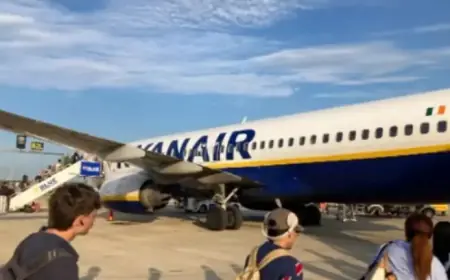
Here’s the part that matters: British dual nationals who rely on a non‑UK passport risk being stopped at the point of boarding unless they can show the right proof of entitlement. Under the new boarding rules, carriers will prevent passengers from travelling if they do not hold an ETA, an eVisa or other valid documentation. That enforcement by carriers is the frontline impact felt first by those travelling now.
What the digital permission covers and who must apply
The electronic travel authorisation is described as a digital permission to travel to the UK. From 25 February, most visitors from 85 nationalities — including citizens of the United States, Canada, France and Australia — will need an ETA before they travel. An approved ETA permits stays of up to six months, allows multiple journeys, and is valid for two years or until the holder’s passport expires, whichever is sooner. Transit passengers who do not pass through border control at airports do not need an ETA. By contrast, people who usually require a visa will still need that visa and will not need to apply for an ETA in addition.
Practical proof, exemptions and fees — immediate hurdles raised in parliament
Parliamentary debate has focused on how the new rules affect British dual nationals. Under the changes, British dual nationals must present either a valid or an expired British passport or a £589 certificate of entitlement to establish the right of abode before boarding a plane, ferry or train to the UK. British and Irish citizens are exempt from needing an ETA or a visa to visit or travel through the UK, though they must present the appropriate British passport or Certificate of Entitlement. There are a few other exceptions, such as those with settled status or children travelling from France on a school trip. At their own discretion, carriers may accept some expired British passports as alternative documentation.
Complaints raised in parliament included cases of honeymooners and travellers caught out by the new passport requirements, and at least one overseas dual national said the rules had prevented him from attending a funeral because of passport renewal timelines. Ministers have resisted calls for a general grace period but have offered targeted help: a planned drop-in session with MPs to discuss individual cases, consular assistance overseas, and faster passport processing in some circumstances (passport returns within four weeks and in some cases as quickly as nine days).
Costs, timeline and government stance
The ETA currently costs £16 and is described as competitive compared with other programmes — an example cited is the US ESTA at $40 and the EU’s ETIAS expected to cost €20 when implemented. The government launched the scheme in October 2023 but said it was not strictly enforced initially to give visitors time to adjust; in November it was confirmed that ETAs would be mandatory from 25 February. Officials say the measure will streamline and speed up the immigration system while strengthening border security, and there is a stated plan to raise the ETA fee to £20 in the future.
- Most affected: travellers from the 85 listed nationalities who previously travelled visa-free (examples include US, Canada, France, Australia).
- Proof needed for British dual nationals at boarding: valid or expired British passport, or a £589 certificate of entitlement.
- ETA basics: £16 now; valid up to two years or until passport expiry; stays up to six months; multiple entries allowed.
- Transit caveat: those who do not pass through border control at airports do not require an ETA.
- Enforcement signal: carriers will refuse to board passengers without ETA/eVisa/other valid documentation.
It’s easy to overlook, but official guidance pages include notices about essential cookies and options for additional cookies and settings.
The real question now is how quickly the communications and consular measures will resolve the most urgent individual cases while wider enforcement is under way. Emergency travel documents remain an option for some travellers facing urgent returns, and the planned fee rise to £20 will be an early sign of how the scheme is being scaled. The writer’s aside: it’s worth noting that ministers say the policy was developed over several years and that targeted emergency and consular routes exist, but recent coverage highlights gaps in how travellers became aware of the change.