


















Casey Means Sidesteps Questions on Glyphosate and Emphasizes MAHA Agenda at Surgeon General Hearing

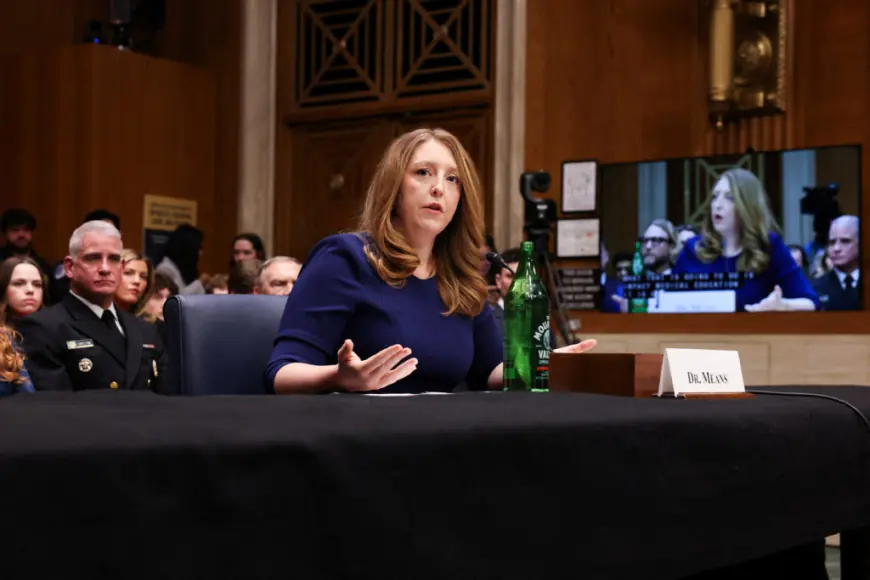
President Donald Trump's nominee for surgeon general, casey means, faced pointed questioning on Wednesday about the administration's executive order that promotes increased domestic production of glyphosate, an ingredient in weedkiller. The exchange matters because it placed Means's prior assertions about glyphosate's health risks alongside her public ties to the Make America Healthy Again movement and an ally at the Department of Health.
Casey Means on Glyphosate and MAHA
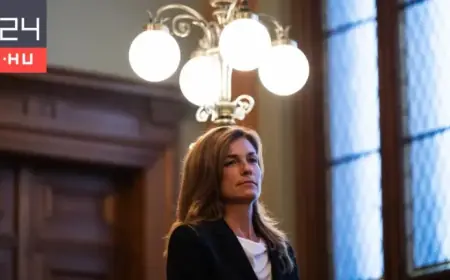
During her confirmation hearing, Dr. Casey Means—identified in the hearing as a wellness influencer and author—was pressed about past comments suggesting glyphosate causes cancer. Means said, "We must as a country move away from using toxic inputs in our food supply and we must study these chemicals more to understand their effects. I am very gravely concerned about the health impacts of these chemicals. " She also described the Make America Healthy Again (MAHA) movement as a strategy that will "make sure American consumers are protected" and said the effort is "going to prioritize helping farmers move to more sustainable farming practices. " Means pledged she would "be a champion on that issue. "
Sen. Ed Markey's Line of Questioning
Sen. Ed Markey, D-Mass., questioned Means about whether President Trump's executive order promoting more domestic production of glyphosate conflicts with her previously expressed concerns. Markey asked Means if the order harms the health of families, noting that Means has said glyphosate causes cancer. At one point he pressed her, saying, "I'm just trying to help you to agree with yourself. You've already said it in the past, but Trump is contradicting you. " Markey later observed that "The MAHA movement is not happy with the Trump executive order. That's the reality. "
EPA Statement and the Executive Order
The executive order at issue was described during the hearing as promoting more domestic production of glyphosate, an ingredient used in weedkiller. The Environmental Protection Agency has stated there is "no evidence glyphosate causes cancer in humans. " That official assessment framed part of the exchange: Means's past public statements about health risks collided with an EPA position and with a named presidential action that expands domestic production.
MAHA Movement, Robert F. Kennedy Jr. and Means's Affiliations
Means identified herself as a supporter of the Make America Healthy Again movement, which the hearing characterized as largely opposing pesticides in food production. She was also described as an ally of Health Secretary Robert F. Kennedy Jr. Her alignment with MAHA and with the named health official contributed to senators' scrutiny of whether her stated policy preferences would influence federal public-health priorities if she is confirmed.
Televised Hearing Elements and Ancillary Details
The exchange unfolded in a televised confirmation hearing setting on Wednesday and included video clips that showed multiple lines of questioning. One clip highlighted Means saying that health problems reflect a nation with a "broken heart" and that society is "losing its mind. " The broadcast included on-air prompts soliciting viewer contributions to support the outlet's operations. The webcast platform also displayed standard viewer guidance about book links and commerce: links to books tied to the network can generate small affiliate payments that go into a general account to help fund operations, and questions about fulfillment should be directed to the webmaster or to the bookseller's administrator.
What makes this notable is how a single policy action—the executive order encouraging domestic glyphosate production—immediately forced senators to reconcile an administration priority with a nominee's prior public comments and organizational ties. The cause is clear: the administration's executive order prompted direct questioning; the effect was a test of whether Means would align past statements with the current federal stance on glyphosate.
The hearing presented at least three concrete elements in short order: the executive order promoting more domestic glyphosate production, Means's public advocacy for MAHA and for sustainable farming transitions, and the EPA's explicit statement that there is "no evidence glyphosate causes cancer in humans. " Together they shaped the confirmation-stage debate over the nominee's potential public-health priorities.