























Stellantis Profit Sharing Faces Uncertainty After €22 Billion Full-Year 2025 Loss Tied to Canceled EVs

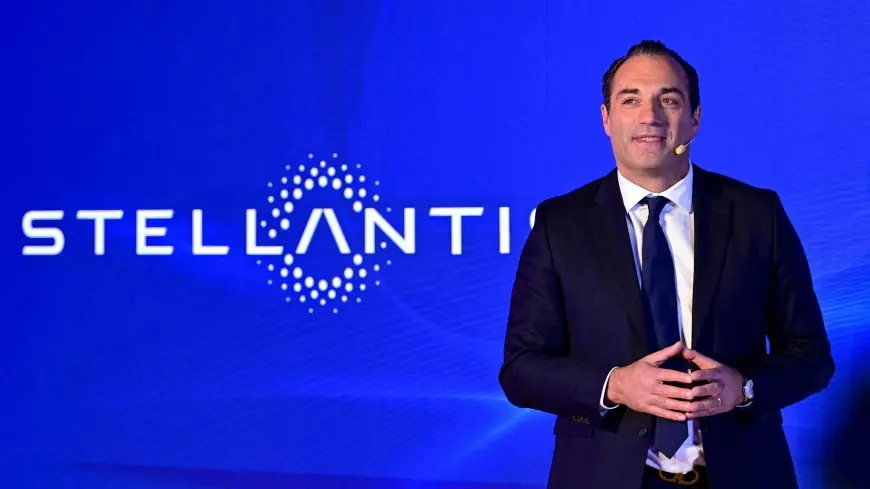
The automaker's massive full-year loss — a €22 billion hole for 2025 — has put questions about stellantis profit sharing squarely in the spotlight. The loss is the first since the group's formation and was driven by write-downs on canceled electric vehicle projects, including the Ram 1500 and Alfa Romeo EV models, making the future of any profit-linked payments unclear.
Stellantis Profit Sharing: What the €22 Billion Loss Means
The company's full-year 2025 result stands out because it is the first annual loss since the group was formed in 2021. The immediate cause is identified as write-downs tied to canceled electric vehicle models, including specific programs for the Ram 1500 and Alfa Romeo EVs. That sequence — large writedowns leading to a record loss — naturally raises questions about whether profit-sharing pools that depend on net profitability will be available for distribution.
- Full-year 2025 loss: €22 billion.
- First annual loss since the group's formation in 2021.
- Primary driver: write-downs on canceled EV models, including Ram 1500 and Alfa Romeo EVs.
These are the explicit facts released about the financial hit. How those facts translate into compensation outcomes such as profit-sharing payouts will depend on company policy and any contractual arrangements tied to profit metrics. At present, details about payments tied to the loss have not been provided and remain subject to further clarification.
EV Writedowns and the Path to This Full-Year 2025 Loss
The loss was driven by specific one-time adjustments: write-downs on canceled electric vehicle programs. The disclosed items include projects tied to the Ram 1500 and Alfa Romeo electric models. Those write-downs, taken together, produced the consolidated result for the year and created the group's first annual loss since formation in 2021.
Because the loss is tied to these identifiable program write-downs, company leaders and stakeholders will likely frame near-term financial and operational decisions around the fallout from those projects. The implication for profit-sharing frameworks is that a significant corporate loss, even if driven by one-time charges, can reduce or eliminate the pool of distributable profits relied on for bonus or profit-linked payments.
At this stage, observers should treat the situation as developing. Details about whether and how any profit-sharing payments will be adjusted, withheld, or restructured have not been specified. Updates on company decisions, internal policies, or contractual interpretations will be needed before definitive conclusions can be drawn.
In short, the disclosed €22 billion loss for 2025 and its link to canceled EV programs have created immediate uncertainty around stellantis profit sharing. Stakeholders and employees awaiting clarity on profit-linked payments should expect follow-up communications and formal guidance from the company as financial and human-resources decisions are finalized.