

























Casey Means Sidesteps Direct Answer on Glyphosate at Surgeon General Confirmation Hearing

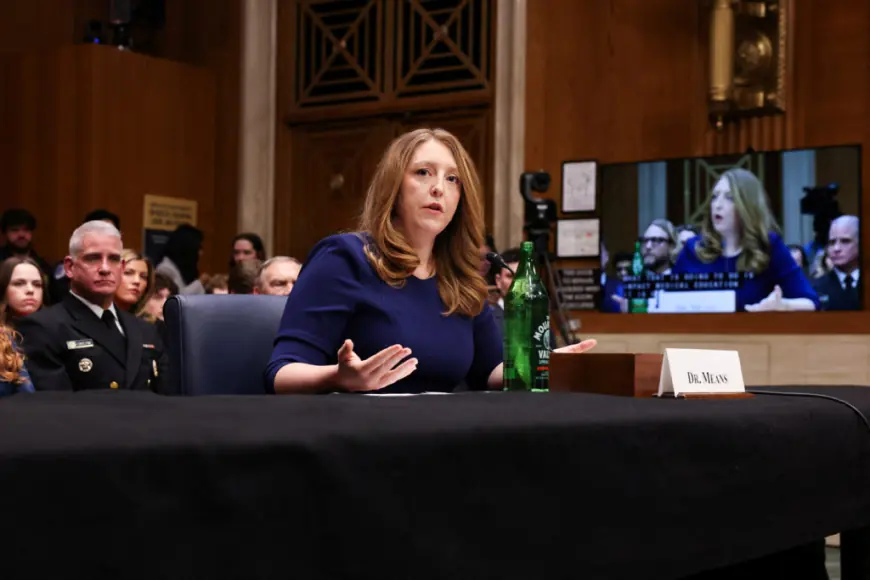
President Donald Trump's nominee for surgeon general, casey means, faced pointed questioning at her confirmation hearing about a recent executive order that promotes increased domestic production of glyphosate, an ingredient in weedkiller, and whether that order conflicts with her prior statements and movement ties. The exchange highlighted tensions between her public health priorities and the administration's policy direction.
Casey Means Faces Questions on the Trump Executive Order
Sen. Ed Markey, D-Mass., pressed the nominee on whether President Donald Trump's recent executive order promoting more domestic production of glyphosate could harm families' health and whether that action was at odds with her past commentary. A video clip from the hearing captured the line of questioning and the broader exchange on chemical safety and policy direction.
Past Comments, Cancer Claims and the EPA Statement
Markey referenced past comments attributed to the nominee that glyphosate causes cancer and asked whether she stood by those views in light of the executive order. The Environmental Protection Agency has stated there is no evidence glyphosate causes cancer in humans. The hearing juxtaposed the nominee's prior public comments with the administration's push to expand domestic production of the chemical.
MAHA Movement, Alliances and Advocacy
casey means is identified in the hearing record as a wellness influencer and author who supports the Make America Healthy Again (MAHA) movement, which largely opposes pesticides in food production. The record also characterizes her as an ally of Health Secretary Robert F. Kennedy Jr. During testimony she emphasized a stance favoring reduced toxic inputs in the food supply and more study of chemicals to understand their effects, expressing grave concern about health impacts tied to such chemicals.
Exchange Highlights: Markey's Push and Means's Response
During the exchange, Markey pressed the nominee to reconcile her prior statements with the president's policy direction, saying he was trying to help her align her past positions with current events and suggesting the president's action contradicts those earlier remarks. The record quotes Markey urging agreement between Means's past comments and the administration's order, and it notes his observation that the MAHA movement is not happy with the executive order.
Means's Stated Priorities for MAHA Strategy
The nominee described the MAHA strategy as aimed at protecting American consumers and prioritizing support for farmers to transition toward more sustainable practices. She characterized these goals as beneficial for both planetary and human health and stated she intends to champion the issue. In another portion of the hearing record, the nominee said health problems reflect a nation with a "broken heart" and suggested society is "losing its mind, " framing public health concerns in broader social terms.
Related Administrative Details Noted in Hearing Materials
Materials accompanying the hearing noted that the testimony was made available as a free download with a "My" account on the network that carried the proceedings. The hearing materials also included information that the network offers links to books featured during coverage to simplify purchases; the network has agreements with retailers that allocate a small percentage of purchase price back to the network when purchases are made using those links. Any revenue realized from that program is directed into a general account to help fund the network's operations. The materials advised that questions about fulfillment, customer service, privacy policies, or issues relating to book orders should be directed to the webmaster or administrator of the specific bookseller's site and are the bookseller's responsibility.
The confirmation hearing left several policy and alignment questions visible in the record: how the nominee's previously stated concerns about glyphosate will inform her approach if confirmed, how MAHA priorities intersect with administration policy, and how federal agencies' public health determinations factor into those debates. Recent updates indicate some aspects of the exchange and its implications remain developing; details may evolve.