

























Bart Sees Strong Start to 2026 With 4.6M January Trips, Budget Crisis Persists

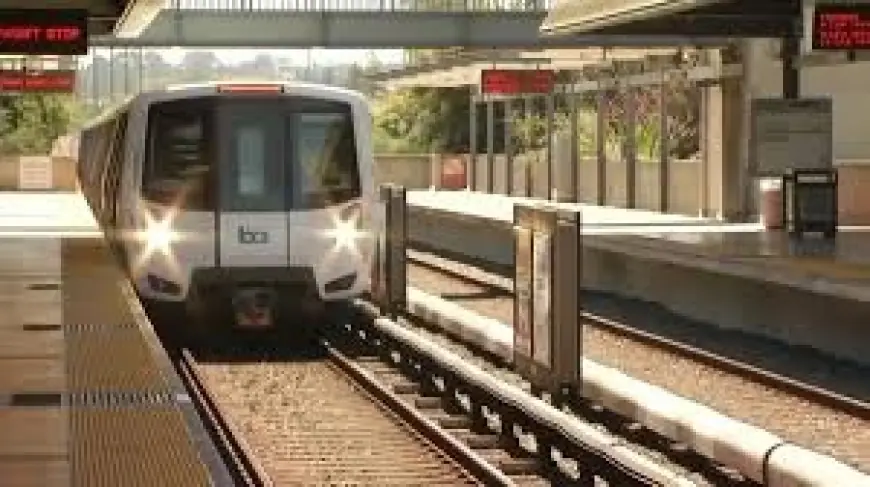
bart logged 4. 6 million trips in January, a clear sign of a strong start to 2026 for the regional transit system. The ridership uptick matters because the system is simultaneously facing a budget crisis that persists and will shape decisions in the months ahead.
Bart ridership snapshot
The system recorded 4. 6 million trips in January, placing ridership at a notably higher level for the opening month of 2026. That volume provides an observable indicator of demand as the year begins. It is unclear at this time how sustained the January level will be, but the figure establishes a baseline for assessing trends in coming months.
What the January number implies now
From a revenue and operational perspective, the January total is an important metric. If elevated ridership persists, fare income could improve relative to lower-traffic scenarios; conversely, if the January level proves temporary, revenue gains will likely be limited. The immediate implication is that planners and budget authorities have a measurable ridership signal to incorporate into short-term projections, while recognizing that the budget crisis persists and may offset gains from higher demand.
Budget crisis persists and next steps
The budget crisis persists as a dominant constraint on strategic choices. With ridership showing strength in January, officials face a two-part challenge: integrate the new ridership data into revenue and cost planning, and address structural shortfalls that remain unresolved. Specific budget actions, timelines, and offsets are not publicly confirmed, and it is unclear at this time which measures will be implemented to close any gaps.
Key takeaways:
- January ridership: 4. 6 million trips, signaling a strong start to 2026.
- Budget shortfall: persists and will influence whether ridership gains translate into fiscal relief.
- Near-term focus: reconcile observed demand with budget planning and monitor whether January levels hold.
Looking forward, the primary observable to watch is month-to-month ridership relative to the January benchmark. If monthly totals remain at or above the January level, planners will have a clearer basis to project fare revenue; if totals fall, the budget gap will remain the central constraint. Officials and stakeholders will need to weigh these indicators when considering budget adjustments and operational priorities for the rest of 2026.