




















Food Waste Recycling Bin rollout hits households as one in four councils will miss mandatory weekly collections

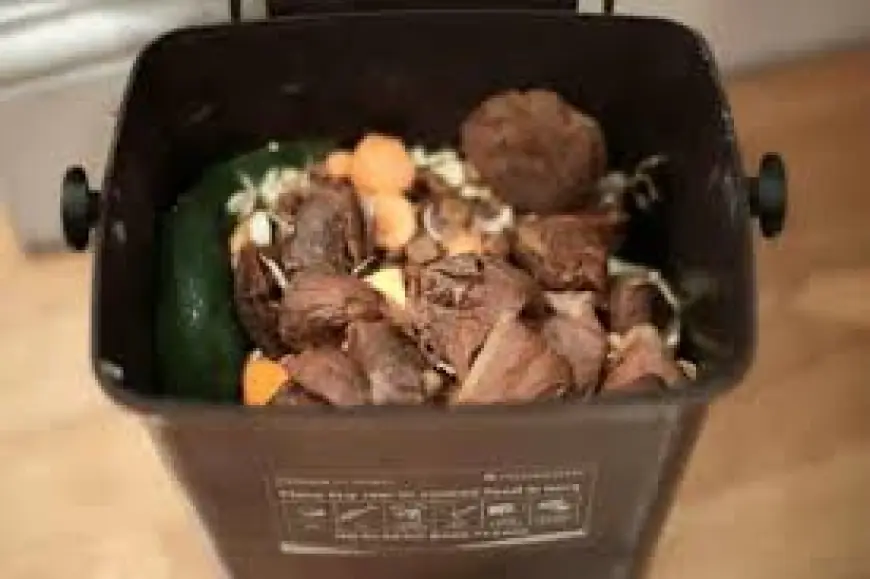
Households in many areas will feel the immediate effects of the Simpler Recycling rules: councils that cannot secure vehicles or enough funding are delaying distribution of a food waste recycling bin and the weekly collections tied to it. The move to mandatory weekly food waste collections is intended to reach every household in England, but uneven readiness means some communities will wait months longer than others.
Who will feel the impact of the Food Waste Recycling Bin roll-out?
Here's the part that matters: residents living in councils that have not prepared vehicles, containers or the necessary revenue streams will not receive weekly food waste collections on the national timetable. Councils have pointed to two recurring pinch points — a surge in demand for specialist bin lorries and gaps in funding — and those pressures fall first on towns and rural areas where new vehicle supply is slower and revenue margins are tighter.
How the nationwide requirement and deadlines are shaping local plans
The Simpler Recycling legislation makes weekly food waste collections mandatory across England. The Department for Environment, Food & Rural Affairs (Defra) set out that "every household in England" would get weekly food waste collections from next month under the new rules, and the government also expected councils to have services running from 31 March in some guidance. But 79 councils have said they will not meet that stated deadline.
- Roughly half of councils were not collecting food waste weekly before the legislation; some councils already had decade-long services in place.
- At least 57 councils that will miss the deadline aim to launch their service for all households by the end of 2026; more than a dozen could not give an approximate start date.
- Another 31 councils secured agreements for a later start date and therefore are not being counted as missing the deadline; when those are included, more than a third of councils will still not be collecting food waste from all homes by March.
Local snapshots: who is on track, who is delayed and specific schedules
Several named councils in the south have confirmed delays, while others report they are on track. Gosport Borough Council, East Hampshire District Council and Chichester District Council are among those that will miss the deadline. Additional southern councils identified as delayed include New Forest District, Bournemouth, Christchurch and Poole, and in Sussex, Horsham, Worthing and Adur districts.
By contrast, Portsmouth, Fareham, Havant and Winchester councils are on track to start on time. Gosport is planning on starting food waste collections in October and has been allocated £892, 846. 36 to implement the scheme. East Hampshire has not confirmed a start date and has been allocated £1, 693, 647. 11 in grants.
Across Norfolk and nearby areas, local plans vary: food waste collections are being rolled out and residents are set to get new bins in some places, but the shortage of bin lorries has slowed other roll-outs. Breckland, North Norfolk and South Norfolk councils said they expected to start food waste collections this year, while Great Yarmouth indicated its service could be delayed until January. Food waste is already collected in Broadland, Norwich and West Norfolk.
Specific local timing mentioned by councils includes an expectation that Breckland's vehicles will arrive in time for a summer 2026 roll-out, North Norfolk expecting a start in the autumn, and South Norfolk hoping to launch in June.
Funding and fleet constraints behind the delays
Councils blame a mix of supply and funding issues. Many attribute the delay to exceptionally high demand for specialist food waste collection vehicles and supply-chain pressures in vehicle manufacturing. Some councils say the funding available does not cover ongoing revenue costs even though grants have been provided for vehicles, bins and initial delivery.
Shropshire Council warned an April launch would place it under significant financial risk. A cabinet member there said funds were provided for capital costs but that the recent government financial settlement had failed to provide the revenue funding needed for a weekly food waste service. South Derbyshire highlighted exceptionally high demand at vehicle suppliers. East Hampshire confirmed that availability of bin lorries is behind its delay and that it does not yet have a start date.
What residents can expect and practical details about equipment
If you're wondering why this keeps coming up: councils that are delaying distribution often cite the same operational details — vehicles, kerbside containers and kitchen caddies — as the gatekeepers of any start date. For example, Gosport says it has secured four food waste vehicles, 32, 000 kerbside containers and 38, 000 kitchen caddies ready for distribution in September, with guidance to residents on use once collections begin. One local resident in Buriton, East Hampshire, Greg Ford, already separates food waste for composting while he waits for a council service.
- National requirement: weekly food waste collections for every household under Simpler Recycling.
- Main constraints: specialist vehicle supply, shortfalls in revenue funding despite more than £340m in grants noted for such schemes.
- Earliest local milestones: some councils aim to start by June or autumn; others cite October or summer 2026 windows; several cannot yet give dates.
Food waste recycled separately can be used to produce electricity and reduces the amount of waste rotting in landfill and releasing greenhouse gases; it is also expected to encourage people to reduce the quantity of food they waste. Food waste collection critics and proponents are actively debating trade-offs such as additional vehicle miles in rural rounds and the timing of roll-outs.
What’s easy to miss is that the policy was proposed by Rishi Sunak's Conservative government and is being implemented by the current Labour administration, creating cross-party continuity even as councils struggle with delivery details.
- Digital subscriptions to some local publishers highlight that councils' coverage often sits behind paywalls and that more granular local schedules may be published by local outlets.
- Expect further changes: some councils have revised implementation schedules and notified central government; others continue to provide updated timelines as vehicles arrive.
It’s the real test for local services: secure the vehicles and the revenue model, and weekly collections can roll out; run into either constraint and residents will be waiting for the food waste recycling bin and the weekly collection it enables.