

























Previewing Gov. Whitmer's final State of the State address: Gretchen Whitmer faces voter pressure on education, health care and affordability

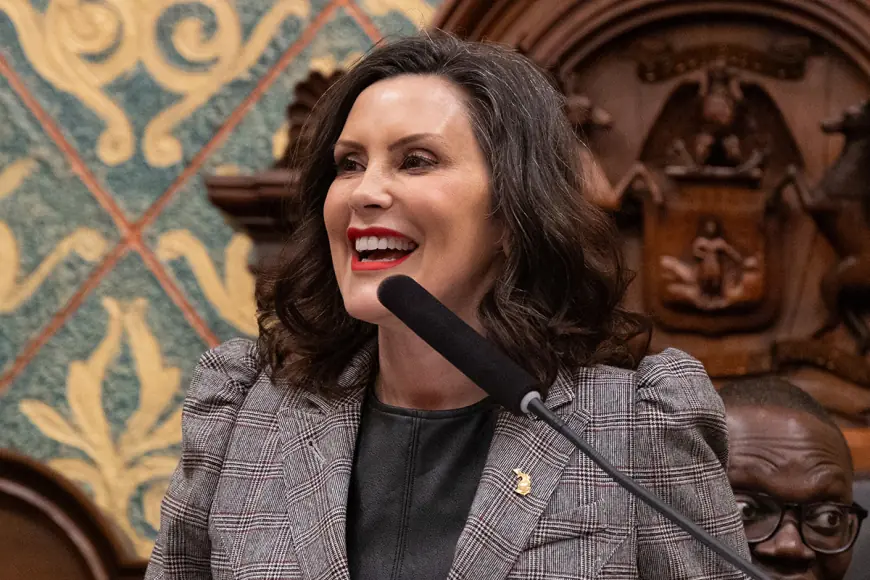
Gretchen Whitmer will deliver her final State of the State address on Wednesday night in the Michigan Capitol's House chambers, an eighth annual speech that arrives as voters emphasize education, health care, affordability and democracy as top concerns. The address is shaping up as both a policy moment and a political marker ahead of the Nov. 3 general election.
What Gretchen Whitmer will address in her final State of the State
The governor is expected to discuss literacy and broader education priorities during this final address, signaling education remains a top administration priority in the closing year. The speech will serve as a platform to outline ideas for the state at a moment when Michigan’s 4th and 8th graders rank in the bottom half of states for reading and math proficiency, and questions about K-12 performance have become central to public debate.
Officials note that, despite increased funding, added staff and new laws, Michigan K-12 schools are still falling behind peers in key measures of achievement. That dynamic has prompted gubernatorial candidates to weigh in: virtually every candidate running to succeed the governor has offered proposals to address declining literacy rates and test scores, and many positions were publicly outlined in July, with additional candidates entering the race since then.
What Michigan readers told organizers: top issues to watch
A nonscientific public survey asking Michigan readers to identify the top issues for the 2026 campaign drew more than 2, 700 responses from 81 of the state’s 83 counties. Respondents most frequently named health care, education, affordability and democracy as primary concerns, followed by energy, the environment and data centers.
- Participation and spread: Responses came from nearly every county, with the highest participation from Oakland and Washtenaw, followed by Kent and Wayne counties.
- Top-ranked issues: Health care, education, affordability and democracy led the list of concerns.
- Secondary concerns: Energy, the environment and data centers also featured prominently among respondents.
Regional patterns emerged within the responses. Data centers were a notably clear concern for readers in mid-Michigan, while housing topped the list for respondents in the Upper Peninsula. Organizers plan to refine this list through July and will conduct a second round of balloting, recognizing that issue priorities can change over time.
Policy pressure points and the political calendar
Education is likely to dominate the policy conversation that follows the speech, driven in part by the weak results on national assessments and the ongoing public debate about how to reverse the trend. The governor’s emphasis on literacy in this final address is likely intended to put a spotlight on that challenge and to frame administrative priorities before the campaign season intensifies.
Public attention has shifted before: immigration rose to the top of respondents’ concerns in January after federal Immigration and Customs Enforcement officers descended en masse on Minneapolis as part of a named operation. That example underscores how single events can reshape voter priorities between survey rounds.
With the general election set for Nov. 3, the coming months will test whether the governor’s proposals and the responses from candidates resonate with the wide range of concerns Michiganders identified. The refined issue list and the second round of balloting scheduled this summer aim to track those shifts and hold political leaders accountable on the priorities voters say matter most.
Schedule note: The address will take place in the Michigan Capitol’s House chambers as the governor delivers her eighth annual address to the Legislature.