
















Jimmy Kimmel Suspension Fallout: Why Complaints Flooded the FCC and What That Means for Viewers and Networks

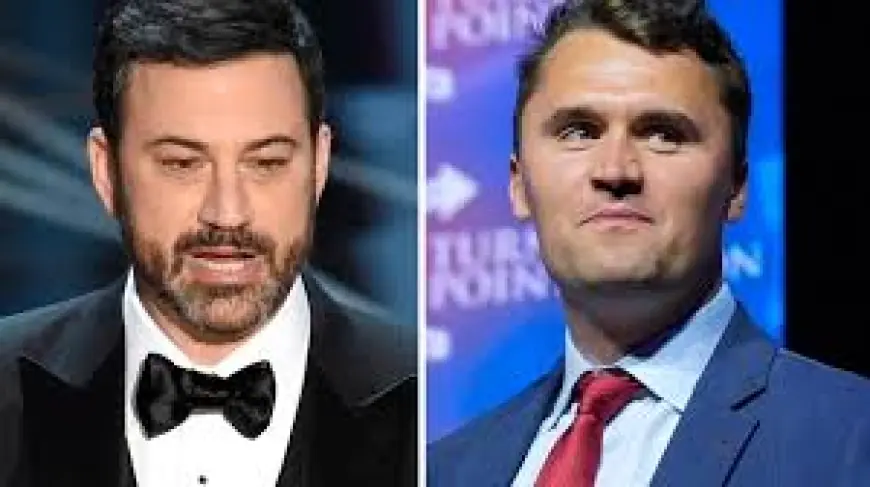
The immediate impact landed not on the comedian alone but on institutions: viewers, the regulator and the network that pulled the show. jimmy kimmel’s temporary removal spurred a flood of complaints aimed largely at the federal regulator rather than the host, reframing the episode as a debate about censorship and corporate decision-making long before focus returned to the monologue that started it all.
Why Jimmy Kimmel’s suspension hit institutions, not just a performer
The bulk of the backlash targeted the government regulator, with complainants accusing officials of pressuring a network into pulling a program and raising First Amendment concerns. Many submissions used sharp language criticizing the regulator’s response and its ties to the presidential administration, while only a small fraction of complaints were directed at the host himself. A handful of messages also referenced another late-night personality who figures in the broader culture-war exchanges.
- Viewers mobilized to lodge formal complaints with the regulator rather than focusing solely on the host.
- Calls to boycott the network and its parent company followed the suspension, turning consumer action into corporate pressure.
- Hundreds of entertainment figures signed an open letter condemning the removal, widening the controversy beyond late-night audiences.
- Recent updates indicate the regulator’s chair threatened to revoke the network’s broadcasting license; details may evolve.
Here’s the part that matters: pushing complaints at the regulator shifted the fight from an argument over a joke to an institutional clash over whether governmental pressure can shape what networks air.
Event details and how the sequence unfolded
The show was taken off the air for a five-day period in September after the regulator’s chair threatened action in response to the host’s comments about the political reaction to a violent act. The network’s parent company said the decision to remove the program followed a judgment that the remarks were ill-timed and insensitive. Days later the program resumed without an apology from the host; his return included an emotional address to the victim’s widow and criticism aimed at both the presidential orbit and the regulator.
Complaints gathered in a public records request covered submissions made that month, including a dated example that used pointed language directed at the regulator or the president. Only a small number of complaints targeted the comedian himself, while others named another prominent late-night host.
It’s easy to overlook, but the complaint volume landing on the regulator changed the dynamic: the controversy quickly became less about a single monologue and more about the boundaries between regulatory pressure, corporate choices, and free-expression arguments.
- Complaints timeframe: submissions collected from September of that year, with at least one complaint dated September 19.
- Suspension length: five days away from the air.
- Return: the show resumed within days after the network’s parent company described the removal as a response to insensitivity.
Key indicators that will clarify the next phase include whether more formal complaints or legal actions follow, whether corporate policies about comment timing change across networks, and whether the regulator escalates any enforcement steps. The real question now is whether this episode becomes a standing precedent for regulator influence over programming choices or a short-lived flashpoint.
What’s easy to miss is how quickly audience mobilization can redirect controversy toward institutions: when viewers file complaints with a regulator, they convert a media spat into a governance question, forcing companies and officials to weigh reputational and legal exposure simultaneously.
Micro timeline (summary):
- Early-to-mid September: the host’s monologue prompts backlash.
- Mid-September: the network pulls the show for five days as the regulator signals potential enforcement.
- Days later: the program returns and public complaints flood the regulator’s offices; prominent entertainment figures publicly condemn the suspension.
The dispute remains in an unsettled phase: recent updates indicate key actions by the regulator and a swift corporate reversal, and details may evolve as complaints and institutional responses continue to unfold.