
























Wauwatosa Common Council Approves 10-Year Fire Department Merger with West Allis

The Wauwatosa Common Council has voted to merge its fire department with the city of West Allis in a move leaders say addresses budgetary pressures and preserves emergency services. The decision follows a recent study and arrives alongside public warnings about common household practices that can cause costly damage during winter months.
Common Council development details
The council approved an intergovernmental agreement to combine fire operations in a 12-2 vote held on Tuesday night. Under the agreement, the merged departments will operate under a 10-year contract; either municipality may exit the arrangement with a two-year written notice. A study completed in March 2025 estimated the consolidation could yield up to $14 million in savings overall, with roughly $7 million projected to be realized in the first five years.
Fire officials have stated the merger will not reduce service levels. Officials also warned that failing to pursue consolidation could necessitate future cuts to services, framing the agreement as a containment step against budget-driven reductions.
Context and escalation
Local leaders advanced the pact amid mounting fiscal scrutiny and the completion of a formal study that quantified potential efficiencies from shared staffing, equipment, and administration. The timing matters because the study provided concrete savings estimates that city councils could evaluate before voting. The 10-year timeframe and the two-year withdrawal clause were built into the agreement to provide both stability and flexibility as the cities integrate operations.
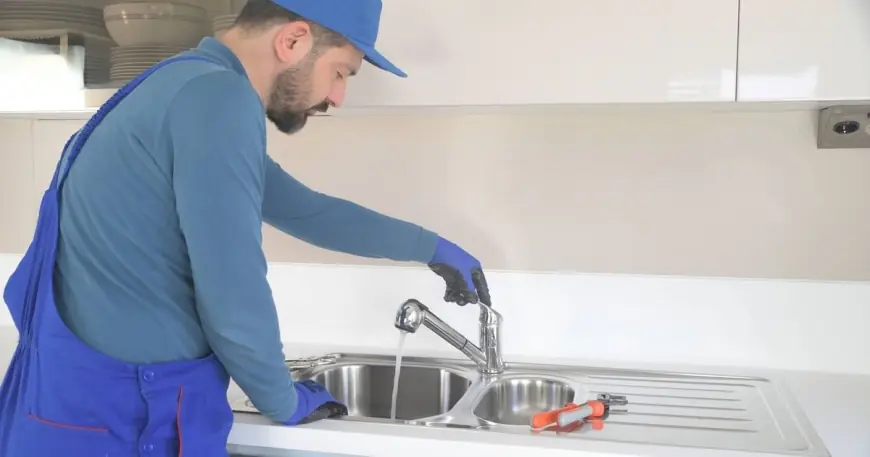
At the same time, municipal officials are balancing infrastructure and household-level risks highlighted by industry warnings about winter plumbing behavior. Plumbworld, a plumbing retailer, has highlighted the dangers of pouring boiling water down household sinks—behavior that can weaken modern PVC pipework, adhesives and rubber seals and lead to concealed leaks or more significant failures in cold conditions.
Immediate impact
The merger decision affects emergency response administration, budgeting, and personnel alignment across both cities. With the vote finalized, both fire departments must begin coordination steps to harmonize operations under the 10-year contract. The projected $7 million in early savings points to immediate budgetary relief for the first half of the contract period, while the broader $14 million estimate frames longer-term expectations for efficiency gains.
Households face a different, but related, set of immediate risks: plumbing experts warn that pouring kettles of boiling water into sinks can soften or warp PVC piping, degrade joint adhesives and rubber seals, and accelerate leaks—risks that intensify during colder months when pipes contract. Those effects can cause water damage hidden behind walls or under cabinets and may result in costly repairs if not caught early.
Forward outlook
Officials have set the merger into motion with contractual terms that will govern operations for the next decade unless one city exercises the two-year withdrawal right. The coming months will likely involve merging protocols, aligning budgets and clarifying service maps so that the departments can operate seamlessly under the new contract.
On the household front, experts recommend practical alternatives to boiling-water tactics: using warm tap water for light clogs, allowing pasta or cooking water to cool before disposal, and employing basic tools such as a sink plunger or a drain snake. These actions are presented as lower-risk options that reduce pressure on pipes and diminish the chance of damage that could lead to more intensive municipal or private repair needs.
What makes this notable is the parallel between municipal consolidation driven by fiscal studies and everyday maintenance choices that can create unanticipated infrastructure costs: both the council's vote and the plumbing warnings highlight how measured, evidence-based actions can prevent service disruptions and expensive repairs.