















Punch The Monkey Update: How a viral orphan macaque’s plush sparked empty shelves and a resale rush

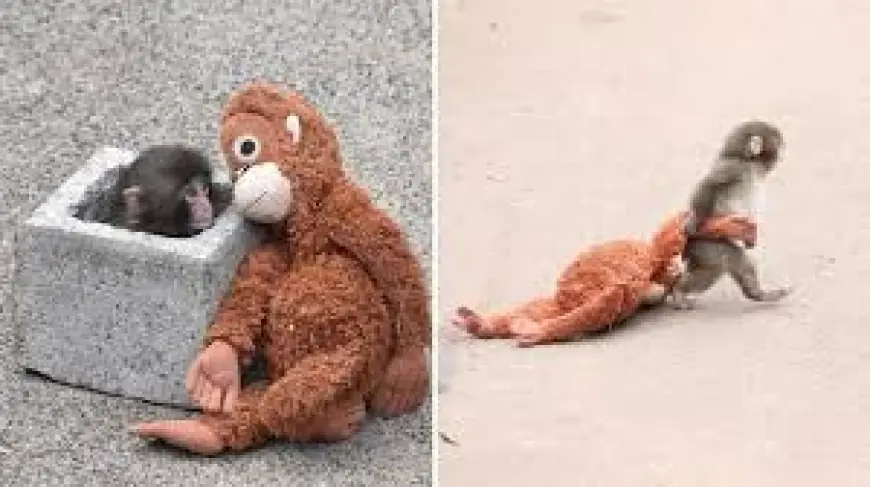
The punch the monkey update matters because it shifts attention away from a single viral clip to three groups that feel the effect first: the monkey and its caregivers, shoppers chasing a suddenly scarce plush, and secondary-market sellers who are marking up stock. The stuffed Djungelskog orangutan that the abandoned baby macaque clings to has become a comfort object for the animal and a scarce commodity in stores and online.
Punch The Monkey Update — immediate impacts on care, retail and resale
Here’s the part that matters: zookeepers used a large plush as a surrogate for an abandoned infant macaque at Ichikawa City Zoo in Japan, and when a video of the monkey clutching the toy went viral, demand for the same toy surged. That surge has left some retail locations without stock and given resellers room to raise prices substantially. What’s easy to miss is the way an animal-care decision translated almost instantly into a consumer shortage.
- The animal: the baby macaque was abandoned at birth and has been raised by zoo staff; keepers gave the plushie to serve as a surrogate and comfort object for the now seven-month-old macaque.
- The clip: a video showed the infant being dragged by a larger macaque, then running to the plush and hugging it while other macaques checked on him; that visual drove the toy’s popularity.
- Retail effect: the large stuffed orangutan from the Djungelskog line sold out in some stores; one regional sticker price listed was $14. 99 before sellouts.
- Resale effect: with official stock depleted, listings on secondary marketplaces jumped, with some asking multiples of the original price.
- Regional spikes: separate market reports indicated a substantial increase in listings and purchases in some countries over a short period, and some stores that sold out worked to restock quickly.
What unfolded around the viral moment and the Djungelskog connection
After the video of the orphaned macaque and the plush circulated, the toy was widely identified as a Djungelskog orangutan and described by a retailer as a comfort for the animal. The connection sent demand soaring: one market saw listings rise steeply in a narrow window, and another region recorded several-hundred-percent increases in sales of the same product over a recent week. With online channels depleted, some sellers began listing the item on resale platforms at many times the prior retail price.
If you’re wondering why this keeps coming up, consider the simple feedback loop: an emotionally potent image creates consumer desire for the associated object; that desire, when concentrated, quickly creates scarcity; scarcity invites resale markup and additional media attention, which amplifies demand further.
The animal-care angle remains central. Keepers provided the plush as a surrogate to comfort an infant that was abandoned at birth and later seen clutching the toy after a distressing interaction with other macaques. That concrete use—comfort in a zoo setting—was a key reason the toy became associated with the monkey in public perception.
The real test will be whether retailers can replenish stock fast enough to cool resale activity and whether the surge leads to clearer guidance from sellers about inventory limits. Early signals show some outlets arranging restocks, and some buyers reported getting holds or later pickups after initial sellouts.
It’s easy to overlook, but the situation also raises practical questions about demand driven by viral moments versus steady consumer interest—an important distinction for retailers managing supply and for animal-care staff navigating attention on a vulnerable infant.
Key takeaways:
- A single viral clip centered on comfort for an abandoned macaque produced a rapid spike in demand for a specific plush toy.
- Retail sellouts and high-priced resale listings followed quickly, creating localized shortages.
- Zookeepers continue to use the plush as a surrogate for the infant macaque; the toy’s role in care is part of why public interest grew.
- Restocking efforts have been reported in some regions, suggesting the shortage may ease if supply catches up.
Recent updates indicate public interest and market behavior have evolved together, and details may continue to change as restocks arrive and listings adjust. If demand cools, resale activity should moderate; if more viral attention arrives, the cycle may repeat.