























Ucla Faces Federal Suit Alleging Hostile Environment for Jewish and Israeli Employees

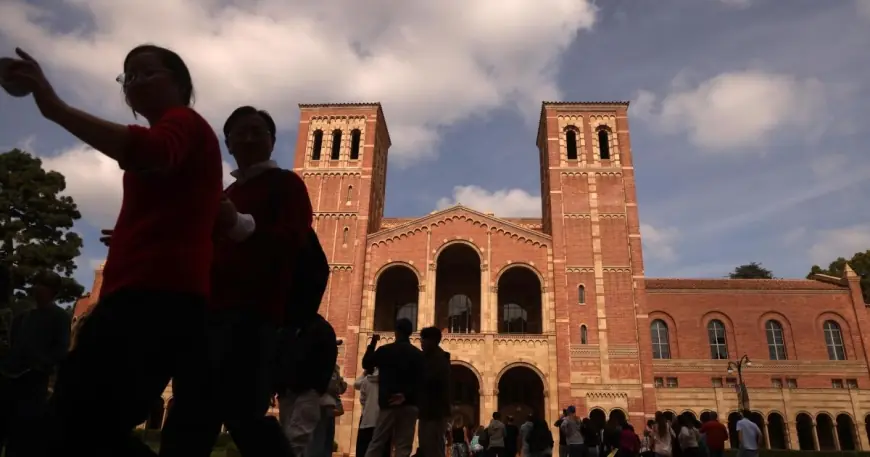
ucla is the subject of a new 81-page federal lawsuit filed in California’s Central District that alleges campus administrators have routinely ignored and failed to report employee complaints of antisemitism since the 2023 Hamas attack on Israel. The filing frames the case as a severe and pervasive civil-rights problem and follows a years-long clash between the federal government and the university system over campus protests, funding and policy demands.
What the Ucla lawsuit alleges
The lawsuit contends that pro-Palestinian demonstrations that followed the 2023 attack on Israel included incidents that were anti-Jewish or anti-Israeli, and that university officials turned a blind eye to — and at times facilitated — grossly antisemitic acts. The filing characterizes the alleged conduct as harming both students and staff and says administrators routinely ignored complaints from Jewish and Israeli employees.
The Justice Department’s announcement accompanying the suit framed this action as an escalation in a broader federal effort that has already included multiple civil rights investigations and a demand that the university system pay nearly $1. 2 billion to settle claims related to antisemitism, affirmative action and gender-recognition policies. The government also proposed the fine after suspending hundreds of millions of dollars in federal research grants tied to the campus.
Timeline of incidents and institutional actions
- Oct. 7, 2023: The filing links the surge in campus activism to the Hamas attack on Israel and the ensuing war in Gaza.
- 2024: A student encampment on the Westwood campus ended in arrests and violence between protesters and counter-protesters.
- November 2024: An independent audit found university police and administrators lacked sufficient plans for handling campus disruptions and were slow to respond, describing the response as more chaotic than it should have been.
- August (year not specified in filings): The federal government demanded nearly $1. 2 billion to resolve civil rights investigations involving student and employee complaints.
- Following the demand: More than half a billion dollars in federal science, health and energy research grants were suspended; subsequent federal litigation produced temporary court orders restoring some grants and blocking parts of the proposed settlement.
- Recent administrative change: A senior campus financial official was dismissed after making inaccurate remarks about the size of a campus deficit.
Institutional responses and legal posture
The university has stated it stands firmly by actions taken to combat antisemitism and emphasized commitments to campus safety, policy enforcement and inclusion. University leadership has said antisemitism is abhorrent and pledged to defend efforts to provide a safe environment for all community members.
Federal career attorneys ultimately recommended pursuing a lawsuit focused on the campus at issue, and the current filing reflects that narrower path. Prior legal battles prompted court interventions that curtailed aspects of the federal proposals, and related suits remain active and litigated in federal court.
What comes next
The lawsuit marks a significant escalation in ongoing disputes between the federal government and the university system and is likely to prompt extended litigation over campus practices, funding and the scope of institutional autonomy. University leaders have expressed openness to talks with federal officials while emphasizing protection of academic freedom and the freedom to teach, learn and research without outside interference.
Observers should expect courtroom proceedings and associated filings to shape the immediate future; details may evolve as litigation proceeds and as courts consider requests that have already affected grant funding and settlement proposals.