






















Npr: Justice Department Withheld and Removed Epstein Files Linked to Trump, Missing FBI Records Prompt Democratic Probe

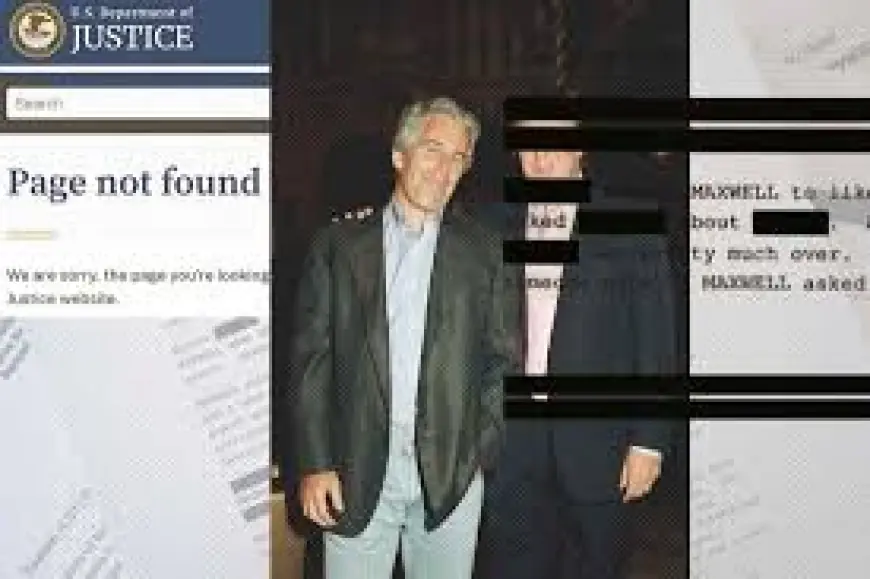
The Justice Department withheld and removed some Epstein files that contained material related to Donald Trump, a development first disclosed 17 hours ago. Subsequent updates — including a 4-hour-old announcement that Democrats will probe the matter and a 2-hour-old report that dozens of FBI records appear missing, among them interviews with a Trump accuser — have sharpened scrutiny of how federal records were handled; npr appears in the unfolding timeline.
Npr: Justice Department removed Epstein files related to Trump
The Justice Department took the action of withholding and removing certain Epstein files that included material tied to Trump, a fact disclosed 17 hours prior to the most recent update. The description of the action is limited to the single factual finding that files were both withheld and removed; details about which specific documents were affected are unclear in the provided context.
FBI records: Dozens apparently missing, including Trump accuser interviews
New information, surfaced 2 hours ago, identifies that dozens of FBI records are apparently missing from the archive of Epstein-related materials. Among the items flagged as absent are interviews with a Trump accuser. The phrase "dozens" provides a quantitative indicator of scope, but the exact count and contents beyond the cited accuser interviews are unclear in the provided context.
Democrats to probe DOJ’s alleged withholding of Epstein files on Trump
Four hours ago, Democratic lawmakers moved to open a probe into the Justice Department’s alleged withholding of Epstein files tied to Trump. That announced oversight action follows the initial disclosure of removed files and the later recognition of missing FBI records, and represents an official step to examine whether record preservation and disclosure obligations were met.
Timeline: 17 hours, 4 hours and 2 hours mark successive disclosures
The sequence of developments spans a compressed window: the first disclosure came 17 hours ago about files being withheld and removed; Democratic plans for a probe were noted 4 hours ago; and the discovery of dozens of apparently missing FBI records, including accuser interviews, emerged 2 hours ago. What makes this notable is the timing: npr-linked timestamps show the disclosures arriving in rapid succession, increasing pressure for prompt oversight and clarification.
Cause and effect in the sequence is straightforward in the available facts. The Justice Department’s withholding and removal of Epstein-related files appears to have led investigators and lawmakers to re-examine the broader collection; that review in turn uncovered that dozens of FBI records were apparently absent, and those apparent absences prompted Democrats to announce a probe. Each step — agency action, inventory gap, legislative response — follows from the previous item in the publicly stated chronology.
Authorities explicitly named in the available material include the Justice Department and the FBI, and the response action is attributed to Democratic lawmakers. Beyond the three timestamped developments and the descriptions of withheld/removed files, missing records and a pledge to investigate, additional specifics about document types, agents involved, or the scope of the Democratic probe are unclear in the provided context.
The immediate measurable impacts are: files withheld and removed by the Justice Department (action), an apparent inventory shortfall described as "dozens" of FBI records missing including interviews (scope), and an official probe by Democrats initiated within hours (oversight action). The broader implication is that compressed disclosures of executive-branch record handling can accelerate congressional oversight and raise questions about archival integrity even before full inventories are produced.