





















Cuba voices: 'Hunger, filth, and need' — workers and TikTok videos lay out daily crisis

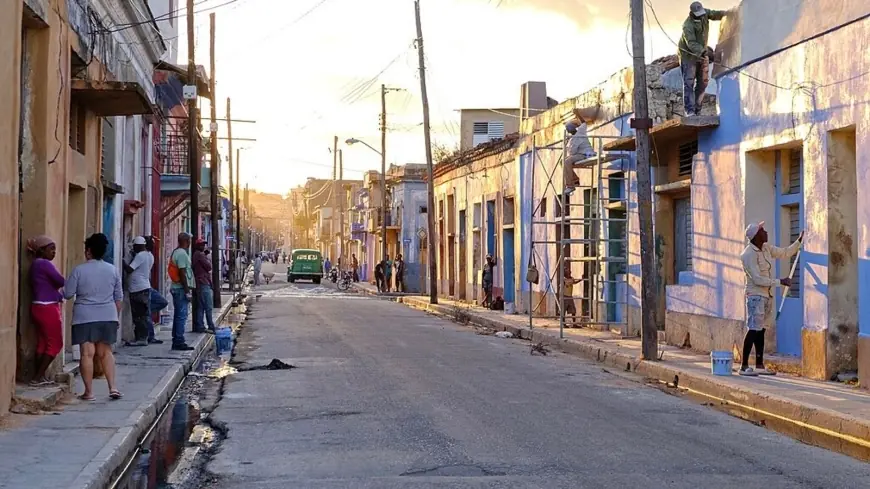
Voices from cuba — a single mother in Matanzas, a citizen in a circulating video and a tearful TikTok user identified as @yissi_glez — describe shortages, prolonged blackouts and daily hunger that they say have deepened after a recent U. S. policy shift.
Cuba worker in Matanzas lays out daily collapse
María, a 32-year-old worker and single mother in Matanzas, described life as “hell, ” saying basic necessities have vanished and survival has become a juggling act of two jobs. She told interviewers she works as an editor and a librarian and that those two jobs together barely cover the cost of a carton of eggs. María said electrical outages now last between 20 and 30 hours with power available for only two hours or less, running water is frequently unavailable for days at a time, and the black market for imported medicines charges unaffordable prices.
Fuel restrictions and U. S. policy cited
Interviewers linked the sharp decline to U. S. policy changes. The humanitarian situation, they said, worsened in the three weeks after Donald Trump’s January 29 executive order declaring the island a “national security threat” and threatening tariffs on any nation supplying it with oil. The coverage states Washington has effectively turned its long-standing embargo into an overt attempt to starve the population into submission; U. S. officials discussed allowing only “small quantities” of fuel to prevent total infrastructure collapse, and the White House demanded last week “very dramatic changes” in Cuba.
Prices, jobs and children's meals
Economic figures and everyday examples pepper the testimony: the Cuban peso is said to be totally devalued at 1 USD equaling 500 pesos, a tube of toothpaste can cost up to 600 Cuban pesos (CUP) and a package of salt up to 700 CUP. One account places average state salaries around 4, 000 to 5, 000 CUP per month. María and other witnesses described most families unable to afford three meals a day, children surviving on low-quality food with almost no protein, and an instance where a child’s only breakfast might be an instant soft drink because even bread has become scarce.
Security, services and the complaint framed as 'Hunger, filth, and need. '
A separate testimony widely circulated from a speaker shared by Cubanet condensed the situation into three words: “Hunger, filth, and need. ” That speaker asked why there is “no oil to collect the garbage, ” “none for the hospitals, ” and “none for the work buses, but there is oil for the PNR, ” and questioned why public transport and basic services stall for lack of fuel while police patrols continue to operate normally. The speaker also said, “They rise and mount without asking, they're treating us like the narcos in Mexico, ” referencing the situation after the fall of 'El Mencho, ' leader of the Jalisco New Generation cartel. Social complaints listed include garbage accumulation, lack of medications in hospitals, prolonged blackouts and fuel shortages, with long lines and empty shelves becoming common conversation.
Viral pleas and the toll of uncertainty
A young TikTok user identified as @yissi_glez posted a tearful video that drew support and debate inside and outside the island. She said, “I have never posted a video like this, but you really should make a decision about what you are going to do with Cuba, ” and called the situation “inhuman” because of the lack of clarity about the country’s future. She added, “Cuba is in a bad situation, everything is on hold. No one knows what to expect, ” and argued that uncertainty — not only crisis — leaves people unable to plan: “If things are bad and are going to stay bad, you look for options and solutions. But you don’t know anything. Uncertainty is the worst. ”
Legal and political pressures noted; next steps remain in play
Beyond shortages and social media pleas, the coverage notes legal and diplomatic pressures: the U. S. Supreme Court is considering cases that demand Havana pay billions in compensation to U. S. corporations like ExxonMobil for ports, plantations and other infrastructure expropriated six decades ago. The material also notes that U. S. officials have discussed allowing only “small quantities” of fuel, and that the White House has demanded “very dramatic changes” in Cuba. One sentence in the source material about malnutrition ends midphrase and is unclear in the provided context.
Journalists and witnesses quoted in the assembled coverage framed the situation as one of deepening scarcity and mounting fear: María said the Cuban people are “tired of being censored” and pointed to political prisoners held for peaceful dissent, and other accounts stressed long-term fatigue from years of crisis. The next confirmed items in the record are the ongoing U. S. Supreme Court consideration of compensation cases linked to expropriations and continued U. S. government discussions about fuel allowances.