
























Who Is The Designated Survivor Tonight — Why the State of the Union Still Relies on a Sequestered Cabinet Member

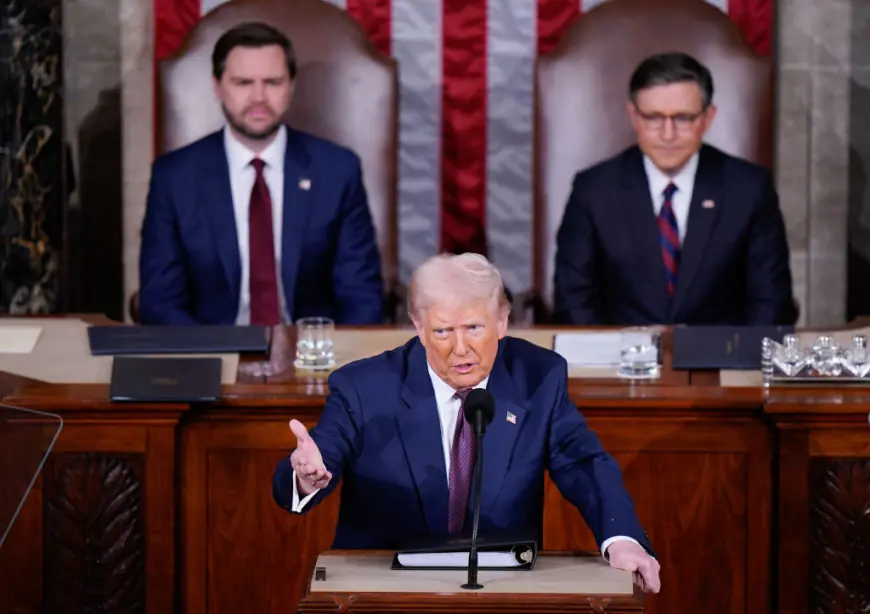
When you ask who is the designated survivor tonight, the question now matters because the State of the Union gathers the nation’s top leaders in one place — and the practice exists to keep the line of succession intact if a catastrophe strikes. The designated survivor is kept in a secure, undisclosed location and is typically a Cabinet member eligible under the Constitution to serve as President; the presidential pick for this gathering has not yet been revealed, even as one party has named its own sequestered official.
Who Is The Designated Survivor Tonight — why the practice endures
The designated survivor is an official in the presidential line of succession selected to skip events that convene the federal government in one place, such as the State of the Union, inaugurations or the President’s joint congressional address. The measure exists so that if a catastrophic incident incapacitated the President and other leaders in the Administration and Congress, someone in the line of succession could preserve continuity. The U. S. Constitution doesn’t require a designated survivor or lay out the sequestering process, but the practice is believed to have begun during the Cold War amid fears of a nuclear strike from the Soviet Union.
Event details and who has been named for party sequestering
One Cabinet member will not attend the State of the Union because they will have been tapped to serve as the designated survivor and will be held at a secure, undisclosed location. The designated survivor for the President has not yet been revealed. Separately, California Rep. Mike Thompson announced on Monday that House Minority Leader Hakeem Jeffries chose him to serve as the Democrats’ designated survivor for the State of the Union on Tuesday; Thompson said he would watch the address from a secure, undisclosed location. Thompson’s communications director, Lauren Ott, said Democrats have tapped the California lawmaker to serve as a designated survivor each year since 2020.
How selection works and constitutional limits
There is no formal protocol for selecting the designated survivor; it is believed that the President and/or the President’s Chief of Staff typically make the choice. The designated survivor must be eligible under the Constitution to serve as President, meaning they must be a natural-born American citizen and at least 35 years of age. In recent years congressional leaders have also begun naming lawmakers to be sequestered so the legislative branch can continue functioning if a catastrophic incident occurs; those legislative-designated survivors are not intended to succeed the President but to ensure the continuity of Congress.
What being the designated survivor is like — practice versus fiction
Those chosen for the role typically start the day as low-profile Cabinet secretaries and end it the same way, though the experience brings extra adrenaline and humbling thoughts about suddenly being thrust into the presidency. The minute-to-minute reality usually lacks the high drama of fictional portrayals: the concept has been dramatized in novels and an ABC television series starring Kiefer Sutherland that aired from 2016 to 2019, but real-life accounts emphasize procedure and sobriety over spectacle. James Nicholson, who was veterans affairs secretary and the designated survivor during the 2006 State of the Union, said the role focuses your mind and enhances prayer that the contingency never becomes necessary. Historian Garrett M. Graff has called the idea captivating because it mixes public fascination with danger and the fantasy of an "everyman" becoming president.
- Examples of past practice: When President Trump addressed a joint session of Congress last March, Veterans Affairs Secretary Doug Collins served as the designated survivor.
- Until the Sept. 11, 2001 attacks, designated survivors often had more control over where they spent the event; that changed afterward.
- In 2000, Energy Secretary Bill Richardson moved up a planned weekend trip to Oxford, Maryland, about 80 miles away, so he would be offsite during the State of the Union.
- In 1997, Agriculture Secretary Dan Glickman chose New York because his daughter lived there.
- During the 2007 State of the Union, Attorney General Alberto Gonzales chose to be in flight and arrived at Andrews Air Force Base in Maryland to find representatives of major departments and agencies assigned to travel with him; they carried thick binders of memos and protocol instructions.
Mini timeline of the practice and signals to watch
- Cold War era: practice is believed to have begun as concern grew about nuclear attack from the Soviet Union.
- 1997: Dan Glickman served as designated survivor and picked New York.
- 2000: Bill Richardson moved up a weekend trip to be offsite for the State of the Union.
- 2001: Some trace a separate trend in legislative-designated survivors to the aftermath of the Sept. 11 attacks.
- 2006–2007: James Nicholson and Alberto Gonzales have described the mix of solemnity and procedure that accompanies the role.
- 2016–2019: The concept was dramatized in a television series starring Kiefer Sutherland.
- March (last year): Doug Collins served as the designated survivor for a joint congressional address.
- Since 2020: Democrats have tapped Mike Thompson to serve as their designated survivor each year, the communications director said.
Here’s the part that matters: the presidential-designated survivor remains unannounced for this gathering, but the Democrats have already named a sequestered official. The real question now is how public understanding of the role — shaped by fiction and high-profile anecdotes — squares with the sober continuity procedures actually used in government.
It’s easy to overlook, but those who have filled the role emphasize planning and paperwork over drama: binders, protocol instructions and assigned travel are standard preparations rather than cinematic moments. What will confirm the next turn is whether the President’s choice is announced publicly before or after the event; details may evolve as officials finalize arrangements.