











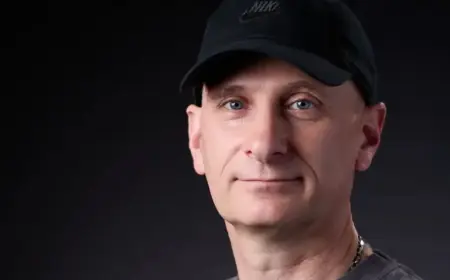













Why Pedro Pascal’s Public Moments with Rafael Olarra Signal More Than a Night at the Movies


What matters now is visibility: the images of Pedro Pascal and rafael olarra moving through New York City together have landed as a cultural moment, not just a celebrity sighting. For communities that watch public behavior for cues about acceptance, those moments change perceptions faster than a statement. Here’s the part that matters: the pairing—captured sightseeing over Valentine’s Day weekend and later inside a theater—has prompted debate about affection, masculinity, and representation.
Rafael Olarra and the immediate impact on visibility
Rafael Olarra has been described in coverage both as an Argentine businessman and as a director; whichever label people use, the practical effect is the same: images of him with a high-profile actor have circulated widely. The close visuals—walking arm-in-arm and later sitting together in a theater—put both names in the same public frame, elevating a private interaction into a public signal that many viewers read as progress on how men can show affection publicly.
What happened that evening (embedded detail, not a play-by-play)
The shared outing began with sightseeing in New York City over the Valentine’s Day weekend and included a tour of the Lower East Side. The two later grabbed lunch on Sunday, then attended a screening of Wuthering Heights, a period romance starring Jacob Elordi and Margot Robbie. Inside the cozy theater they were observed periodically chatting while bundled up against the winter cold that has been oppressing the city this season; both appeared layered in multiple garments for warmth.
How the images landed and why the relationship status remains unsettled
Photographs that accompanied the scenes showed Pedro Pascal walking arm-in-arm through the streets—some frames captured him holding onto Rafael Olarra—and those pictures have circulated around the world. The nature of the relationship is unclear in the provided context: neither Pascal nor Olarra has clarified anything, and neither has made a statement. That lack of confirmation has fueled public curiosity and debate rather than resolving it.
Cultural ripple: masculinity, representation and the reactions people are having
Pedro Pascal is widely described in public commentary as an unexpected sex symbol at 50 and as the internet’s favorite “daddy, ” and he has never publicly discussed his love life. He is also noted for being a visible supporter of the LGBTQ+ community and for being applauded for representing a new form of masculinity that moves away from macho stereotypes—one that allows sensitivity and risk on the red carpet. This pairing has been received by many as a pleasant surprise and as a symbol that barriers in U. S. cinema are shifting.
- Who feels this first: LGBTQ+ communities, Latinx men who look to visible figures, and actors whose careers have been shaped by perceptions of masculinity.
- Immediate signal: Public displays of affection between two men involving a major star alter public conversation faster than private confirmations.
- Next confirmations to watch for: any public comment from either person or repeated public outings that clarify the nature of their association.
What’s easy to miss is that visibility operates on multiple levels: it affects fans, industry gatekeepers, and ordinary people who measure safety and acceptance by what they see in public life. The real question now is how institutions and audiences will interpret these images over time.
Contextually, another detail in this inventory is Rafael Olarra’s recent relationship history: he was last linked to actor and singer Luke Evans; that pairing confirmed a split in 2021 after a little over a year together. That timeline is part of the public record surrounding Olarra and remains a background fact as the new images circulate.
Community voices included commentary that the power of such images comes from the simple act of public affection: when two men openly express closeness on the street it can be read as a social marker of progress, especially for people who have historically felt forced to hide. Observers note that visible role models remain more common in the arts than in other sectors, and that public gestures by well-known figures can reduce some stigma even while discrimination and attacks remain real risks for many.
Given the details available—sightseeing over Valentine’s Day weekend, a Lower East Side tour, lunch on Sunday, and a theater visit to Wuthering Heights starring Jacob Elordi and Margot Robbie—this moment is shaping into a cultural touchpoint rather than a simple celebrity outing. For now, the facts remain the facts presented here, and further clarity will depend on whether the individuals involved choose to speak publicly or are seen together again in ways that alter the narrative.