

























Somalia’s Drought Crisis Is Immediate: Nearly 6.5 Million Face Severe Hunger as Food Aid Edges Toward a Funding Cliff

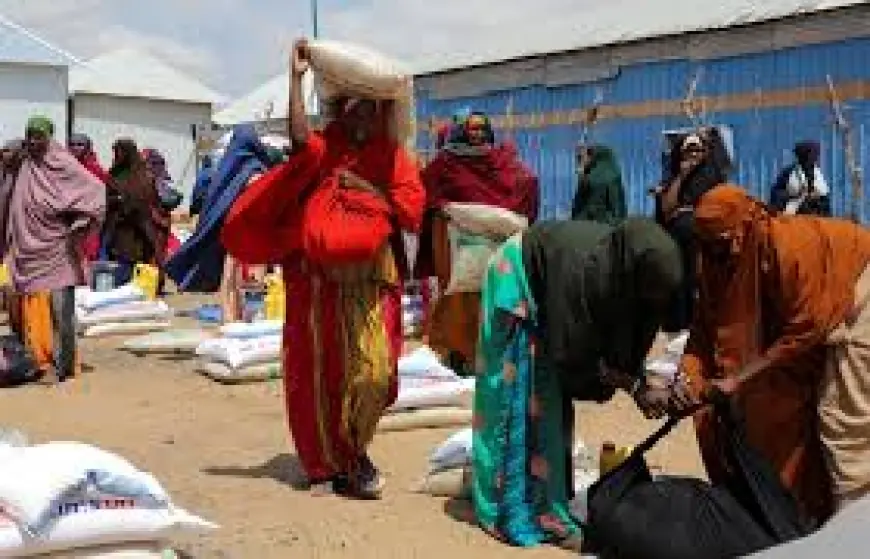
Who feels it first: families in drought-hit regions, displaced people in city camps and children at the highest risk. In somalia nearly 6. 5 million people are now classified as facing severe or acute hunger, a figure driven by prolonged drought, ongoing conflict and reductions in humanitarian funding. Food assistance itself faces a near-term funding cliff that could sharply reduce relief delivered in the weeks ahead.
Immediate impact on communities in Somalia: hunger, displacement and children at risk
Here’s the part that matters: more than a third of those facing acute malnutrition are children, and hundreds of thousands of people have been forced from their homes into crowded camps in Mogadishu and other cities. Livelihoods are collapsing — water and food prices have jumped, livestock are dying and limited humanitarian funding is constraining responses. The combined effect is a rapid deterioration in basic survival conditions for millions.
What’s easy to miss is how shifts in aid delivery are already altering who receives help: an aid program that once assisted more than two million people has been reduced to support just over 600, 000, while other assistance lines have also been tightened. The real question now is how the next funding decisions will reshape who gets food and who goes without.
What the updated figures and operational limits reveal
The joint government and UN figure places nearly 6. 5 million people at risk of severe hunger, a jump from earlier operational tallies used by humanitarian actors. That broader count aligns with the standard classification used to gauge food crisis severity, but it also highlights uncertainty in trends: it is not yet clear whether the new total reflects a genuine surge in need or changes in measurement.
- Food assistance programs have already been reduced; an earlier assistance caseload dropped from about 2. 2 million to just over 600, 000 in recent months.
- A national drought emergency was declared late in the prior year, and while seasonal rains could bring relief in the April–June window, projections show millions would remain in crisis even with improved rains.
- Displacement is widespread: tens of thousands have left their homes and many are concentrated in urban camps, increasing demand for basic services in cities.
- Children represent a disproportionate share of acute malnutrition cases, raising the urgency for targeted nutrition and protection interventions.
Key takeaways:
- The scale: nearly 6. 5 million people are flagged at risk of severe hunger.
- Operational strain: major reductions in food assistance have already reduced reach to a fraction of earlier caseloads.
- Immediate pressure points: food and water prices, dying livestock and crowded displacement camps raise short-term mortality and morbidity risks.
- Seasonal caveat: April–June rains could ease conditions for some, but millions would likely remain in crisis-level situations.
Embedded timeline: Somalia declared a national drought emergency in November; food aid programs were scaled back earlier this year from assistance for over 2 million people to just over 600, 000; humanitarian warnings now flag a potential halt in food aid within weeks without new funding. This sequence underscores both the rapid onset and the operational squeeze on relief.
If you’re wondering why this keeps coming up, the answer is that shrinking funding and worsening weather combine to compress time for donors and aid planners. The near-term decision window will determine whether assistance stabilizes or whether gaps widen further.
The piece that will confirm the next turn is whether funding is restored quickly enough to reverse planned reductions in assistance and prevent further displacements and deterioration in child nutrition. Recent updates indicate that aid levels and counting methods have shifted; details may evolve.
The bigger signal here is how margin changes in funding translate almost immediately into fewer people fed and more households pushed into displacement — a dynamic that will define outcomes over the coming weeks.