

























Did Trump End 8 Wars? White House-Brokered Deals Draw Praise and Scrutiny

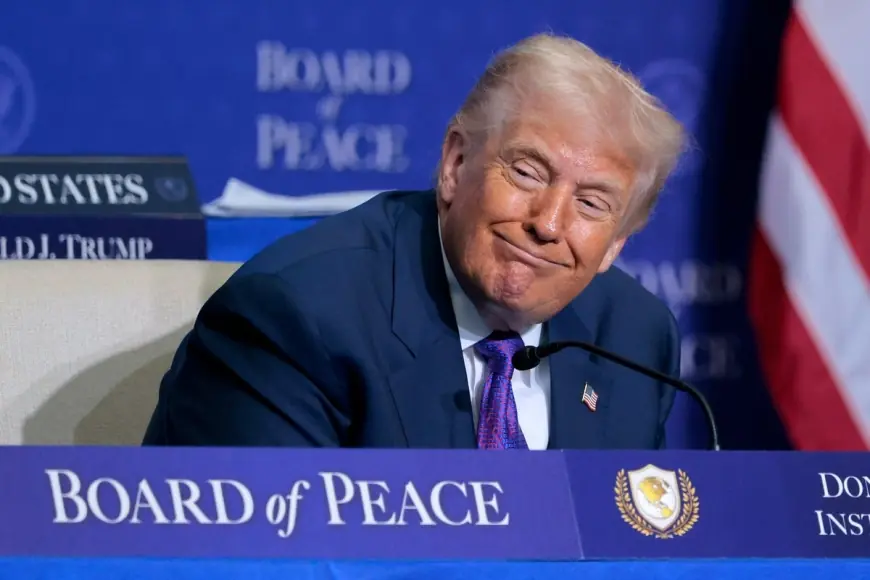
President Donald Trump has claimed he deserves a Nobel Peace Prize for his involvement in eight international conflicts since assuming office last January, a declaration that has prompted renewed scrutiny over what those interventions accomplished and which hostilities continue. The core question — did trump end 8 wars — is being examined in light of meetings, declarations and lingering violence across several regions.
Did Trump End 8 Wars — Development details
Officials note several concrete actions tied to the president's claims. On 8 August 2025, the leaders of Armenia and Azerbaijan met and signed a joint declaration pledging to seek peaceful relations after long-standing tensions. The White House said the meeting followed earlier steps, including a ceasefire agreed in 2023 and a draft peace agreement text settled in March. Economic agreements signed at the summit granted US development rights to a strategic transit corridor through southern Armenia; the corridor was named after the president in documents released at the time. The administration also dispatched the vice president, JD Vance, who visited both countries in February and signed a strategic partnership with Azerbaijan and a nuclear deal with Armenia.
The president has publicly linked his actions in multiple theatres to the broader claim that he helped resolve eight conflicts since taking office last January. He has gone further in public remarks, saying he would end the Russia-Ukraine war on day one of his presidency and later asserting his record merits a Nobel Prize. At the same time, officials acknowledge that declarations short of formal treaties were the principal product of several engagements.
Context and escalation
Several of the conflicts connected to the White House engagements have not ended. Fighting has reignited in parts of the Democratic Republic of Congo, and tensions flared along the Cambodia–Thailand border. In July, long-simmering tensions between Thailand and Cambodia escalated into a five-day military confrontation described as the deadliest between the two nations in more than a decade. The president's intervention helped bring Thailand to the negotiating table, but diplomats caution that ceasefires brokered in that process have remained fragile.
In the case of Armenia and Azerbaijan, a ceasefire in 2023 and a draft peace text in March preceded the August meeting, yet the joint White House-brokered declaration fell short of a legally binding treaty. Observers point to unresolved political and constitutional questions, including whether any agreement would require constitutional revisions in Armenia, as outstanding obstacles to a comprehensive settlement.
Immediate impact
The most tangible outcomes so far are diplomatic agreements and signed declarations rather than enforceable peace accords. Measurable actions include the signing of a joint declaration on 8 August 2025, a strategic partnership and a nuclear deal signed during a vice presidential visit in February, and economic pacts granting rights to a transit corridor intended to boost energy exports. Those steps created new frameworks for cooperation and economic engagement, but did not eliminate outbreaks of violence in multiple regions.
Communities along contested borders and conflict zones remain affected by renewed fighting. The five-day July clashes between Thailand and Cambodia produced the most severe casualties in over a decade for that dispute, and skirmishes in the Democratic Republic of Congo have continued to erupt despite diplomatic overtures. The contrast between high-profile diplomatic events and ongoing hostilities highlights the limits of declarations without legally binding enforcement mechanisms.
Forward outlook
Officials have signaled further diplomatic work will be required to translate declarations into durable settlements. Key milestones already set include implementation steps tied to the economic corridor through southern Armenia and follow-up visits linked to the strategic partnership with Azerbaijan and the nuclear accord with Armenia. What makes this notable is the gap between headline diplomatic wins and unresolved legal and constitutional questions that can prevent declarations from becoming binding treaties.
For now, the White House record consists of a series of interventions that produced signed declarations and agreements, while several of the conflicts cited by the president continue to experience violence or fragile ceasefires. The question did trump end 8 wars remains contested in practice: eight interventions can be documented, but persistent hostilities and outstanding legal issues mean definitive, enforceable peace settlements have not been established across all those theatres.