





















Jrue Holiday and Tuesday DFS: How daily fantasy players should pivot for a packed 11-game slate

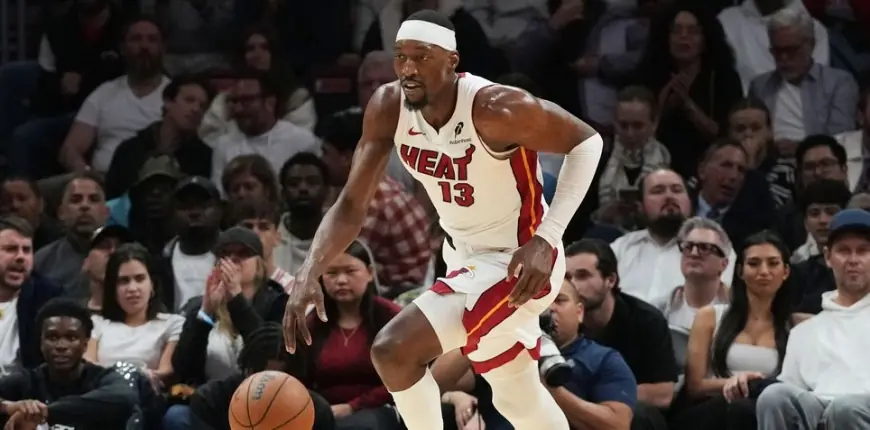
For daily fantasy players, a crowded 11-game slate changes the calculus before a single lock — and that includes monitoring players such as jrue holiday for matchup-driven flexibility. With several high-priced stars listed as questionable and a mix of clear value targets, roster construction must prioritize playable depth and volatility control rather than simply rostering the top salaries.
Jrue Holiday and roster strategy for daily fantasy lineups
Here’s the part that matters: when multiple starters carry injuries, exposure to mid-tier and upside role players increases. That’s where lineup composition shifts from pure star-chasing to pivoting toward players with sudden minutes upside or favorable matchup signals. The slate’s pricier names compress upside at the top of rostering charts, so consider diversifying entries across salary tiers and stacking a few contrarian mid-range plays alongside heavy favorites.
- Top-price concentration: Several of the most expensive players occupy the same pool, reducing lineup differentiation if everyone stacks those names.
- Questionable statuses create forced mid-tier promotions: expect bench players to slide into starting minutes in multiple spots.
- Prop and minutes volatility both present tournament-winning upside and cash-game risk; size your lineups accordingly.
It’s easy to overlook, but when games are plentiful the difference between winning and folding often comes from one breakout role player. The real question now is how you prioritize exposure across contests: heavier on a single core or spread across several promising pivots?
Slate details and actionable player notes
The slate contains 11 games with several high-priced names widely available in projection pools. Among the premium options named in recent projections are Jalen Brunson, Donovan Mitchell, Jalen Johnson and Karl-Anthony Towns. Multiple key players carry injury questions, including an elite center listed with a knee issue, a highly touted rookie with a back concern, and a veteran wing with a knee question — those statuses should shape late-game swaps and late-slate cash decisions.
Key deployment signals from projection and model-driven analysis include:
- A simulation-based model that runs many iterations per matchup highlights mid-range values with sudden playing-time spikes; one such mid-range target is a forward priced in the mid-$6K range on major DFS sites who has seen consistent scoring in recent games.
- Specific salary points called out in projections: a high-upside forward priced around $7, 700 on one site and $8, 200 on another; and a wing listed near $6, 700 / $7, 300 on respective platforms — those figures indicate where the model expects moderate costs for potential volume.
- Team-level context: one team is dealing with a doubtful listing for a primary scorer and an outright out status for a big man, which opens the door for bench elevation and stable scoring from secondary pieces.
On the player-prop side — lines and projections can shift — a center with increased three-point volume is flagged as a favorable longshot for multiple threes, based on a season-long uptick in attempts and a recent stretch of higher-volume games. A rookie noted for high three-point attempts faces a team that ranks near the bottom in opponent three-point attempt rate, pushing his made-three total toward the under. Separately, a top shooting guard’s scoring profile shows a clear road/away split and a matchup advantage versus a team surrendering points and made threes to his position; that creates a prime candidate for scoring and three-point props on the slate.
Key takeaways you can use right now:
- Prioritize late checks on questionable statuses — they will reshuffle mid-tier value more than top-salary choices.
- Consider mixing a premium core with diversified mid-range pivots rather than stacking multiple top-priced names.
- Target centers and forwards who are taking more three-point attempts as contrarian prop plays tonight.
- Matchup context matters: teams with low opponent three-point attempt rates can suppress a high-volume rookie’s upside.
What’s easy to miss is how volatility across many games compounds — more games equals more variance, and that inflates both upside and downside for mid-range picks. If you’re wondering why this keeps coming up, it’s because a slate with that many lineups rewards roster creativity and careful exposure sizing.
Final note: lines and projections are subject to change through the day; adjust exposure as statuses and matchup data update. image_url: null