

























Designated Survivor and Who Feels the Impact When the State of the Union Gathers the Whole Government

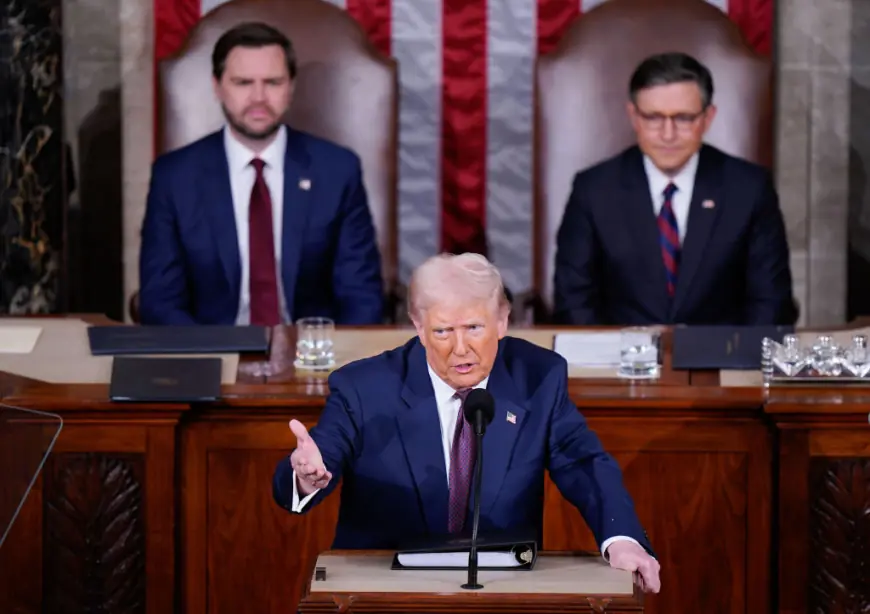
The practice of naming a designated survivor matters because it’s a direct safeguard for presidential succession when the nation’s leaders assemble in one place. With President Donald Trump scheduled to deliver the State of the Union on Tuesday evening, the designated survivor arrangement places one eligible official away from the event to preserve the constitutional line of succession if a catastrophic incident occurred.
Designated Survivor and the immediate impact on government continuity
Here’s the part that matters: the designated survivor is not symbolic. The role exists to keep the executive branch capable of carrying on if senior leaders are incapacitated. That affects Cabinet members (those in the succession line), congressional operations when lawmakers are sequestered separately, and public stability because the mechanism preserves a path to leadership without a constitutional crisis. The practice positions one person to assume continuity responsibilities while the rest of government is convened.
How the practice works and where this year’s choices stand
The designated survivor is typically a Cabinet member who is in the presidential line of succession and who meets constitutional eligibility: a natural-born citizen and at least 35 years old. The person selected is kept at a secure, undisclosed location away from the gathering. There is no single formalized process for choosing the designated survivor; it is commonly selected by the President or senior aides, and congressional leaders have also begun naming lawmakers for their side’s roster in recent years.
- President’s pick for this year’s presidential-designated survivor: not yet revealed.
- Democrats’ choice for this State of the Union: California Representative Mike Thompson was selected by the House Democratic leadership as the party’s designated survivor; he will watch the address from a secure, undisclosed location.
- Democrats have selected Representative Thompson to serve as their designated survivor each year since 2020, a fact confirmed by his communications director.
It’s easy to overlook, but the designated survivor tradition traces back to heightened Cold War-era concerns about a catastrophic attack and has since adapted; some observers point to post-2001 practices for congressional selections as well. Past examples show the role is routinely activated for major joint sessions—for instance, when the President gave a joint congressional address last March, a Cabinet secretary served as the designated survivor.
The real question now is how the blank in the President’s pick will be resolved publicly: the presidential-designated survivor remains unannounced heading into the address, while the party-designated choice is already set and will be sequestered off-site.
Mini timeline
- Origins: practice believed to have roots in Cold War-era continuity planning.
- Post-2001: congressional leaders began regularly naming lawmakers as designated survivors in recent years.
- 2020 onward: Democrats have repeatedly chosen the same lawmaker to serve in the role for their delegation.
Micro Q&A
Q: Who can be a designated survivor?
A: An official in the presidential line of succession who is constitutionally eligible—a natural-born citizen at least 35 years old.
Q: Has the President named a designated survivor for this State of the Union?
A: The presidential-designated survivor has not yet been revealed.
Q: Who is serving as the Democrats’ designated survivor?
A: Representative Mike Thompson was chosen by House Democratic leadership and will watch the address from a secure, undisclosed location; his communications director confirmed he has served in that role for the party each year since 2020.
What’s easy to miss is that the practice blends constitutional rules with informal executive and legislative choices—there’s no single statute that lays out exact procedures, which leaves room for variation in who is selected and how the sequester is handled.
For readers tracking continuity-of-government mechanics: the immediate signal to watch after the address will be whether the President’s designated survivor is announced and how officials describe the sequester logistics. Recent updates indicate the presidential pick remains unpublished and could be disclosed on a different timeline than the party-designated selection.