

























Why Trump’s Economic Agenda Hasn’t Harmed the Economy: Four Reasons

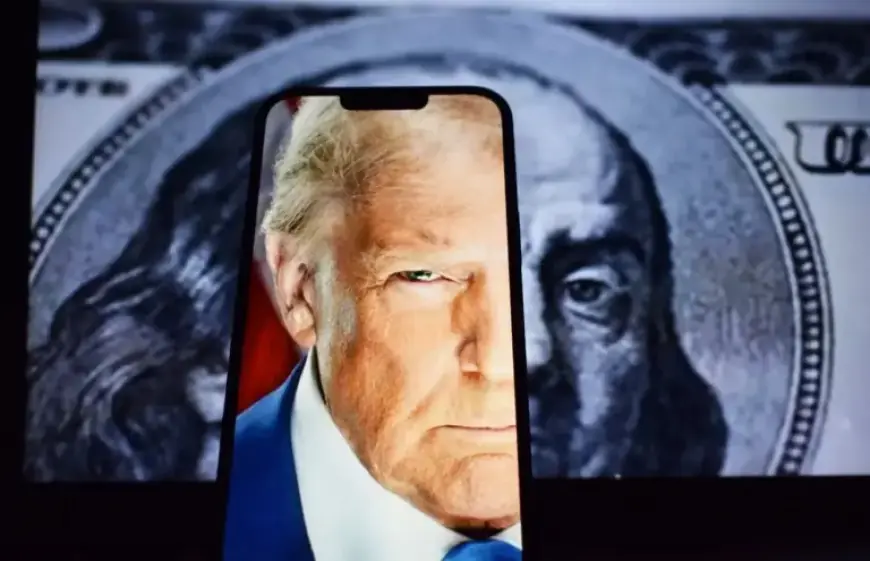
Despite expectations that President Trump’s economic agenda would negatively impact the U.S. economy, the country has demonstrated resilience in various economic indicators. Following a year marked by dramatic policy changes, including increased tariffs and shifts in immigration policy, economic performance has remained surprisingly stable.
Understanding Trump’s Economic Agenda: Four Reasons for Resilience
The U.S. economy has defied predictions of stagnation. Currently, the unemployment rate stands below 5%, and the GDP continues to grow at a moderate pace. Additionally, the stock market is on an upward trajectory, while inflation, although elevated, remains manageable.
1. Overestimated Policy Shocks
- Initially believed to be far-reaching, the impact of tariff increases and immigration cuts may not be as detrimental as projected.
- Trade policies may show less immediate impact due to evasion and transshipment practices.
- Recent estimates suggest that net immigration might be stabilized closer to zero, reducing potential labor market strain.
- Despite substantial tariff increases, retaliatory actions from trade partners have been limited, minimizing economic disruption.
2. Offset by New Economic Stimuli
- New economic policies, such as the One Big Beautiful Bill Act (OBBBA), are projected to raise public debt but also increase disposable income.
- Goldman Sachs forecasts a significant rise in disposable income, contributing to consumer spending.
- The surge in artificial intelligence (AI) investment has been a major factor in GDP growth, accounting for approximately 40% of growth in 2025.
3. Mainstream Economic Models in Question
The assumptions held by many economists regarding trade, immigration, and fiscal sustainability are being reevaluated. The current economic landscape may be revealing the limitations of traditional economic models.
4. The Duration of Economic Shocks
The effects of policy changes, such as restrictions on immigration and alterations in monetary policy, often unfold over an extended period. The long-term consequences of these shifts are still emerging.
Conclusion: Future Outlook for the U.S. Economy
As the U.S. navigates through a post-pandemic economy, the resilience seen in 2025 suggests potential for sustained growth. While the future remains uncertain, the interplay of reduced economic shocks and new incumbents may continue to buffer the economy. The coming years will reveal whether these trends can endure amidst ongoing challenges.
The complexities of economic policy, coupled with the unique circumstances surrounding Trump’s presidency, have highlighted the often unpredictable nature of economic resilience. Experts and analysts alike will be watching closely as the economy evolves.