





















Miller’s Role on the Moore Ticket Puts Energy Bills and Filing Deadline at the Center of Maryland’s 2026 Shakeup

Here’s the part that matters: the Moore-Miller filing makes clear which voters are likely to feel the immediate impact of the coming campaign — homeowners wrestling with sharply higher utility bills, retired employees who lost benefits, and communities watching agency audits. Lt. Gov. Aruna miller joins Gov. Wes Moore in formalizing a second-term bid, and that pairing will frame debates on energy costs, audits, and who the next general election will persuade first.
Miller and Moore’s filing first shifts the battlefield toward voters feeling left behind
Filing paperwork is normally procedural; this one reshapes which issues take center stage. The presence of miller on the ticket, combined with visible public complaints about energy bills and questions about agency money management, means voters already hurting from higher living costs are the clearest immediate audience. The real question now is whether those concerns will coalesce into a decisive campaign theme or remain a localized grievance.
How the filing unfolded and what was said at the State Board of Elections
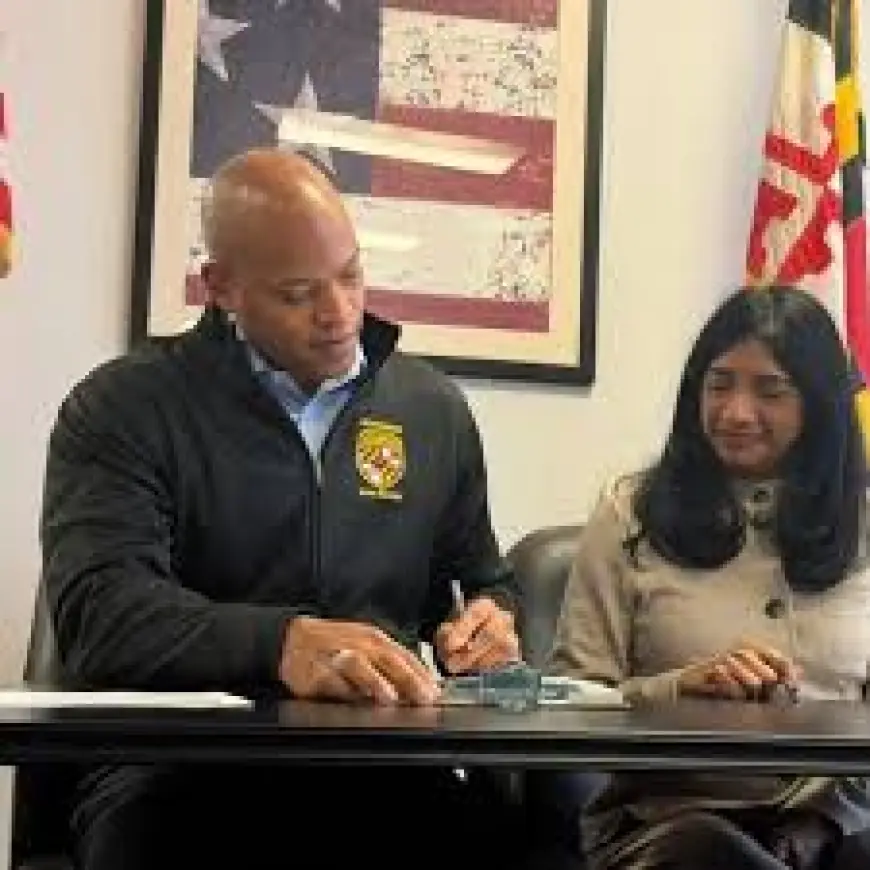
In Annapolis, Moore and Miller traveled to the Maryland State Board of Elections headquarters on Monday afternoon to make the second-term effort official with paperwork signed one day before the filing deadline. They answered questions from a small group of reporters inside elections headquarters while stopping by to file the paperwork.
Moore told the group that the administration had already announced the re-election campaign earlier and that he was excited about results seen in the first three years. He described administration targets including ending childhood poverty, boosting educational outcomes, and growing the economy, and has repeatedly rejected the idea he will run for president in 2028.
The candidate field now: who’s filed and who’s out
The statewide filing window tightened the roster. Key names and party groupings listed as running so far include:
- Governor-level entries — Democrats: Eric S. Felber; Ralph Jaffe (died Feb. 6. ); Wes Moore (incumbent). Republicans: Carl A. Brunner Jr.; L. D. Burkindine; Dan Cox; Ed Hale; Douglas Larcomb; John A. Myrick; Michael Oakes; Nancy Jane Taylor; Kurt Wedekind. Other: Andy Ellis, seeking Green Party nomination. Note: Wes Moore is in; Dan Cox and Ed Hale Sr. are also listed; Larry Hogan is out.
- Additional contested races — Democrats: Victor Allen Guidice; Dan Schwartz; George Walish; Randi White. Republicans: Chris Bruneau; Andy Harris (incumbent).
- Democratic lists for other offices include: Johnny Olszewski Jr. (incumbent); Clint Spellman Jr.; Jennifer Cross; Austin Dyches; Sarah Elfreth (incumbent); Sean Hammond; Robert Gerald Morrison; Joseph Gomes; Shavonne N. Hedgepeth; Glenn Ivey (incumbent); Jakeya Johnson; Jonathan D. White.
- Large Democratic slates for additional seats include: Mark Arness; Rushern L. Baker III; Quincy Bareebe; Wala Blegay; Adrian Boafo; Reuben B. Collins II; Ellis D. Colvin; Harry Dunn; Arthur Ellis; Elldwnia English; Terry Antonio Jackson II; Harry Jarin; Walter Kirkland; Jerry Lightfoot; Heather Luper; James Anderson Makle Jr.; Leigha Messick; Keith Salkowski; Alexis Solis; Tracy Starr; Dave Sundberg; Harold Tolbert; Nicole A. Williams.
- Republican contenders listed for various posts include: Ray Bly; Berney Flowers; John White; Chris Chaffee; Bryan DuVal Cubero; Michelle Talkington; Chris Burnett; Robin Ficker; Mariela Roca.
- Other names appearing on ballots for multiple contests: George Gluck; Alexis Goldstein; Daniel M. Krakower; April McClain Delaney (incumbent); David J. Trone; Ethan P. Wechtaluk; Kiambo “Bo” White; A. Mark Wilks.
Issues likely to drive the narrative: energy bills, audits, and benefits
Complaints about rising energy costs are already framed as a campaign vulnerability. A resident told a local program that their electric bill is close to $1, 800 a month despite no changes in usage; others have expressed the sentiment that they feel left behind. There are also concerns about poor audits and money management in some agencies, and analysis cited the effect on retired state employees who lost prescription drug coverage after a decision not to fund it.
Political analyst John Dedie warned that energy costs and the overall cost of living will likely be a major driver, and that the Republican nominee will need to make a clear sale to voters. Dedie suggested that matchup dynamics could favor different strategies — one potential nominee would force Moore to work harder, while another could bring broader national campaigning into play.
Deadlines, filings and a quickly changing map of ambitions
Anyone who wants to appear on the ballot must complete candidacy paperwork by 9 p. m. on Tuesday. The Moore-Miller ticket filed one day before that deadline. Separately, a Senate leader who had been exploring a gubernatorial run ended that effort and instead filed to run for Senate again.
- Monday: Moore and Miller filed at the State Board of Elections in Annapolis, one day before the deadline.
- Tuesday, 9 p. m.: candidate paperwork deadline for those seeking office.
- Feb. 6: Ralph Jaffe is listed as having died.
What’s easy to miss is how quickly a filing can refocus attention away from internal administration accomplishments and onto immediate pocketbook issues — that pivot is already visible in public comments and analyst reactions.
- Moore and miller formalize a second-term run, setting the baseline for incumbency messaging.
- Energy bills and lost prescription coverage surface as the clearest voter-level impacts to address.
- The Republican field is broad; party nominee choice will shape campaign tactics and turnout strategies.
- Filing deadline timing concentrates attention on rapid candidate sorting and last-minute entries.
The real test will be whether campaigns convert headline complaints into persuasive, actionable plans voters accept at the ballot box.