




















The Biggest Challenge to Drug Price Claims: Trump Rx Meets Reality

Federal negotiations branded under trump rx have produced a handful of discounted cash prices and voluntary drugmaker agreements, but evidence that Americans broadly pay lower prices is limited — and recent pricing data show list prices rose this year. The gap between presidential claims and measurable market shifts matters now because administrations have touted these deals as an immediate solution to high drug costs while only a subset of consumers appears to benefit so far.
Development details — Trump Rx negotiations and announced actions
The White House launched the TrumpRx website on Feb. 5 and the administration has announced discounted cash prices for a small number of brand-name drugs. Negotiations have led to voluntary agreements with 16 pharmaceutical companies. Under those deals, manufacturers promised discounts on select drugs specifically for people paying cash who are not using insurance, and some companies agreed to launch new drugs or offer Medicaid drugs at prices based on so-called most favored nation (MFN) benchmarks.
In exchange for those concessions, companies secured exemptions from tariffs and other benefits, including promised protection from future mandatory MFN pricing. The administration has framed the strategy as guaranteeing large savings, but the deals so far cover a limited set of products and several details of the agreements remain unclear. A public assessment published on Feb. 18 noted that while the government has posted negotiated cash prices, there is not yet clear evidence these arrangements have produced broad decreases in prices paid across the health system.
Context and escalation
President remarks in late January framed the policy as delivering the lowest drug prices anywhere in the world, and the launch of the TrumpRx website in early February extended that message to consumers seeking lower retail costs. The website promotes MFN-style pricing that links U. S. prices to those in other developed countries and asserts substantial savings for Americans.
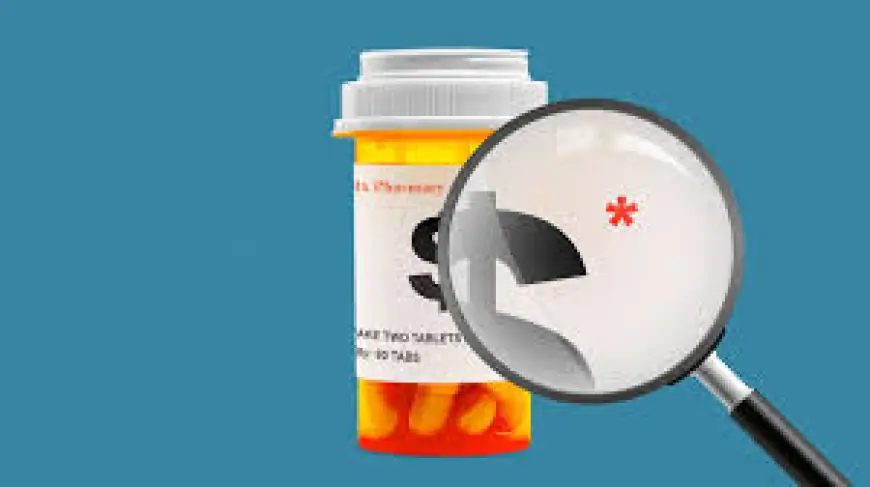
But pharmaceutical pricing is complex. There is no single, easily tracked national price that reflects what individuals, insurers and government programs actually pay, because list prices are often offset by rebates and other discounts. Research firm 46brookyln tracked list price movements and found the median list price increase for hundreds of brand-name drugs so far in 2026 was 4%, unchanged from the median increase in 2025. That persistence of list-price increases undercuts claims of an immediate, widespread downward shift in price levels.
Health economist Rena Conti of Boston University noted rare exceptions in which negotiated cash discounts appear to have translated into lower out-of-pocket costs at the pharmacy counter. Those exceptions include certain weight loss and fertility drugs, which commonly sit outside typical insurance coverage and are now being offered at sharply reduced cash prices.
Immediate impact
The direct beneficiaries so far are people who pay cash and buy the specific drugs covered by negotiated discounts. The agreements are structured to deliver discounts to non-insured cash buyers and to alter pricing for a limited set of brand-name medicines; however, payers that operate through insurance networks, public programs and pharmacy benefit managers have not shown broad, systemwide savings yet.
The real-world implications are illustrated by a physician’s account of managing a chronic condition: he said a monthly retail price for an essential inhaler had been about $600, while his experience obtaining the same medicine abroad once cost roughly 30 euros (about $35). That contrast is central to the administration’s argument for MFN-based pricing: aligning U. S. prices with lower foreign prices could reduce costs for consumers who pay cash. But the negotiated deals to date reach only a narrow slice of prescriptions.
Centers for Medicare & Medicaid Services leadership have been visible at policy events where TrumpRx was promoted, signaling federal commitment to the approach. Still, the business terms negotiated with manufacturers — discounts for cash purchasers in exchange for exemptions and other benefits — show the trade-offs that enabled the agreements.
Forward outlook
Key near-term milestones are already on the record: the Jan. 27 presidential speech that framed the objective, the Feb. 5 launch of the TrumpRx website, and the Feb. 18 public assessment that flagged limited evidence of broad savings. What makes this notable is that the administration’s public narrative emphasizes immediate, nationwide relief while the documented measures and market indicators point to incremental, product-specific changes so far.
Upcoming indicators to watch — constrained by what has been disclosed — include whether more manufacturers join voluntary agreements beyond the current 16 and whether additional discounts translate into lower out-of-pocket costs at retail pharmacies for insured as well as uninsured consumers. No confirmed timeline for broader implementation or measurement of systemwide savings has been released; available documentation focuses on the current narrow list of discounted cash prices and company commitments tied to specific concessions.
For now, the negotiation strategy has yielded concrete, limited price changes for some buyers and a broader political claim that national prices will fall; the measurable market response through list-price trends and payer-level costs remains to be demonstrated.