










Oliver Power Grant’s Death Reverberates Through Hip‑Hop Commerce and the Wu‑Tang Inner Circle

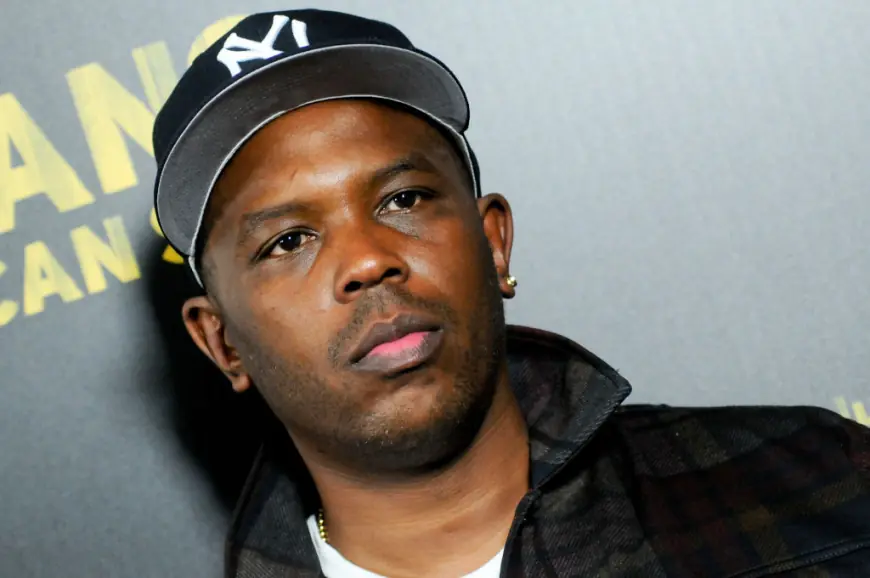
It’s the business side of an iconic movement that feels the first shock: oliver power grant’s passing removes a rare bridge between gritty creativity and durable commerce. For fans, the Clan’s extended team and the entrepreneurs who followed the Wu‑Tang playbook, the loss is less about stage presence and more about a strategic mind that translated street culture into mainstream retail muscle.
Oliver Power Grant and the immediate ripple for artists, retail and legacy planning
Here’s the part that matters: Grant was not a frontman, but his work directly shaped how a collective kept leverage while scaling. That leverage—studio access, financial backing and an infrastructure for touring, film and merchandising—gave performers room to focus on art while a business strategy behind them handled expansion. His death therefore has practical implications for how the group’s catalog and branded assets are stewarded going forward, and how a generation of artist-founded labels measure commercial success.
Event details and the career footprint behind the name
Oliver Power Grant died on February 23 at age 52; a cause of death has not been disclosed. A member of the Wu‑Tang inner circle acknowledged Grant’s passing and paid tribute publicly. Though not a performing member, Grant was widely known as “Power” and served as a founding business architect for the group.
Key elements of his public record include helping secure studio access and financial backing as the group prepared to release its 1993 debut album, Enter the Wu‑Tang (36 Chambers). He later founded Wu Wear, launched in the mid‑1990s, which operated retail locations in New York and Los Angeles and reached department store distribution in the late 1990s and early 2000s. At its height, Wu Wear generated tens of millions in annual sales.
Grant also worked as a manager and executive producer on multiple projects tied to the group, expanding its footprint into touring, film and merchandising. He appeared on screen in films connected to the Clan’s circle, co‑starring with a core member in two late‑1990s features. Internal disputes and legal conflicts surfaced at times across the extended network, but Grant remained a steady presence behind the scenes.
- 1993 — Helped secure studio access and backing for the group’s debut release.
- Mid‑1990s — Launched Wu Wear, one of the earliest artist‑owned streetwear labels tied to a music act.
- Late 1990s–early 2000s — Brand expanded into department stores and brick‑and‑mortar retail.
- 2008 — Brand name change was later part of the label’s evolution.
- 2017 — The clothing brand was relaunched as part of ongoing merchandising efforts.
- Forward signal: how estate and brand managers respond will shape the commercial afterlife of the Wu‑Tang identity.
It’s easy to overlook, but his role was a blueprint: turning raw lyricism into a sustained business model that others in hip‑hop would replicate. The real question now is how those commercial engines are preserved and who will steward them next.
What’s left ambiguous is the full scope of personal and legal arrangements that will govern the group’s branded products and related projects; public details on those points remain limited. Recent updates indicate additional specifics may emerge as the extended team addresses legacy, contracts and any ongoing ventures.
Writer’s aside: The bigger signal here is that artist identity and commercial control were deliberately entwined early on in this case, and that coupling changed industry expectations about what a music collective could build offstage.
If you’re wondering why this keeps coming up: Grant’s mix of financing, dealmaking and brand building was an early model for artist-led fashion, and that model’s durability will be tested now.