














Sunset at Xbox Leadership: Asha Sharma’s Rise Signals Strategic Shifts and Immediate Consequences

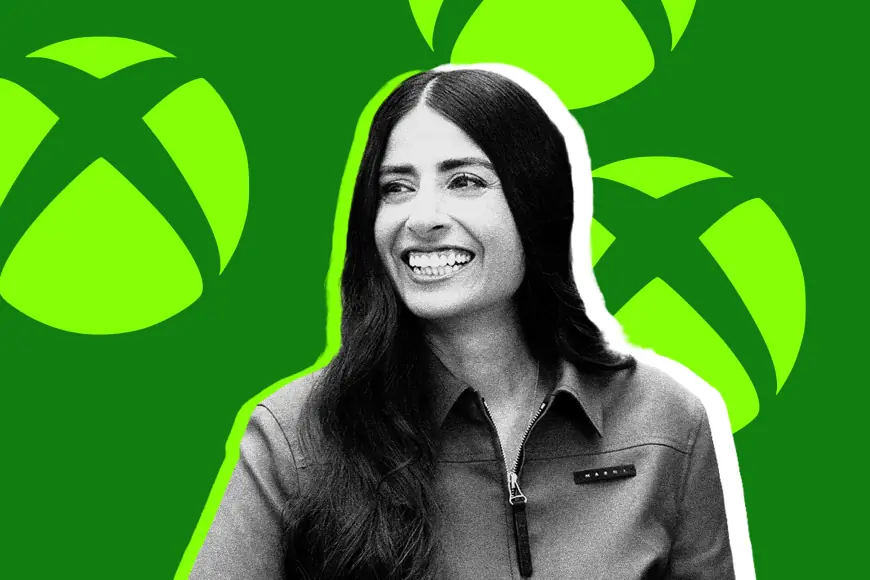
The sunset of the previous Xbox era arrives with practical consequences for teams, partners and players: new leadership, a clearer AI orientation and a renewed push to win back trust. Asha Sharma—promoted into the top gaming role—has set priorities around "great games, " the "return of Xbox" and the "future of play, " and her background in AI means the company’s approach to generative tools will be front and center.
Sunset implications: who feels the impact first and how
Expect immediate pressure on content strategy, developer relations and internal organization. Sharma’s rise changes the calculus for exclusive titles versus multiplatform releases, the role of AI in development, and the tone of external communications. Here’s the part that matters: teams that built the previous exclusives-focused plan and those who handled platform reinvention will face near-term scrutiny as priorities are reset.
What’s easy to miss is that the leadership change was not just personnel turnover—Sharma’s AI background and the way the transition unfolded point to a sharper strategic pivot rather than a simple succession.
How the leadership change unfolded (key details embedded)
On Friday, Microsoft Gaming announced that longtime leader Phil Spencer would be retiring as CEO and that Asha Sharma, who most recently led product development for Microsoft CoreAI, had been named his successor. Xbox president Sarah Bond also departed; many fans had expected Bond to be the natural successor but Microsoft CEO Satya Nadella and Microsoft CFO Amy Hood did not select her for the top role. More than a dozen current and former Microsoft employees had viewed Sharma’s promotion as increasingly likely in recent months.
The transition followed a difficult period for Xbox. Spencer decided to resign last year after challenging years that included the drawn-out Activision Blizzard acquisition; that deal had dragged on longer than Microsoft anticipated. To grow the business, Microsoft moved away from Xbox-exclusive games toward a multiplatform strategy, and the company has been trying to reinvent the Xbox brand beyond the console with mixed results. Spencer’s decision kicked off months of successor planning.
Asha Sharma’s stated priorities and her stance on AI
In an internal memo announcing her promotion, Sharma listed three commitments for Microsoft Gaming: great games, the return of Xbox and the future of play. She comes from product leadership in CoreAI and previously held senior roles at Instacart and Meta. Sharma presents herself as an outsider to the larger gaming community who has "a lot to learn, " and she says she intends to earn trust from players and developers through consistency over time.
Her view of what makes a great game emphasizes emotional resonance and a distinct point of view; she cited an example in which a narrative-first title created strong feelings. Given her AI background, early reaction to her appointment has focused on generative tools in development—Sharma’s line is simple: no tolerance for bad AI. She also framed AI as a continuing part of gaming while insisting that great stories remain human-created.
Internal fallout, timing and a compact timeline
The rollout produced visible internal confusion. Teams heard the news from reporters before internal memos reached staff; the team managing Sarah Bond’s social accounts posted a LinkedIn invitation about accessibility feedback minutes before the departure was announced, and that post sat for hours until Bond’s team later circulated her own memo. Microsoft executives shared four memos on Friday: only Phil Spencer mentioned Bond. Satya Nadella, Microsoft Gaming EVP Matt Booty and Asha Sharma all offered kind words for Spencer but did not mention Bond; Bond’s own memo arrived hours later and was not part of the company blog.
- October 2023: Sarah Bond was promoted to Xbox president just days after Microsoft finalized a $68. 7 billion acquisition of Activision Blizzard.
- About six months after Bond’s promotion: Xbox executive Kareem Choudhry, who reported to Bond and led backward compatibility support, departed Microsoft, triggering further team changes.
- Last year: Phil Spencer decided to resign amid a difficult period for Xbox.
- The announcement was made on Friday but had been planned for today; it was pushed earlier when details started to leak and an external outlet prepared a story.
The real question now is whether Sharma’s emphasis on "great games" and strict standards for AI will restore momentum before the company’s upcoming slate of announcements and seasonal milestones.
Signals to watch will include the tone of communications to developers, staffing moves around content teams, and whether forthcoming events—an industry festival next March and a Games Showcase this spring—carry concrete evidence of a changed creative roadmap.
Mini timeline note: Spencer’s exit and Sharma’s promotion come as Microsoft Gaming approaches its 25th anniversary this fall, which Sharma has flagged as a moment to honor the past while setting direction for the next chapter and which precedes the GDC Festival of Gaming next March and a Games Showcase this spring.
The bigger signal here is that personnel choices, public messaging and AI posture are being used together as levers to shift strategy, not merely to refresh a leadership roster.