




















Chris Bryant demands release of files on Andrew Mountbatten-Windsor as MPs back Lib Dem motion

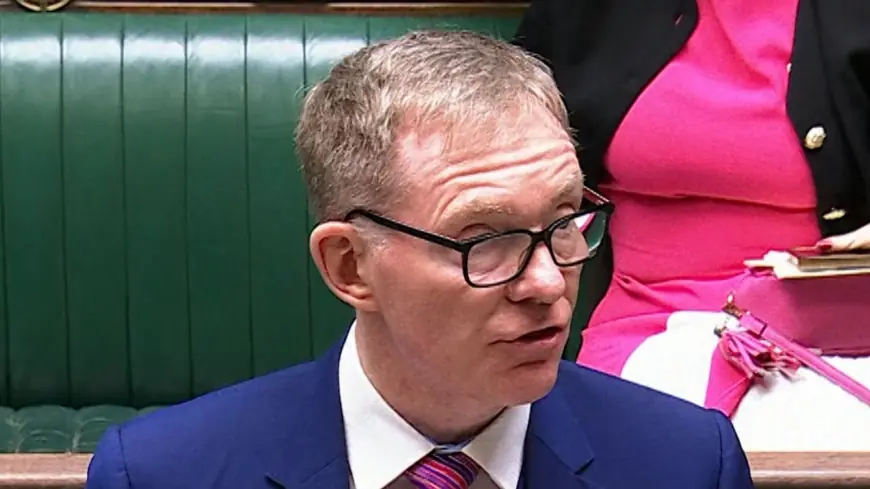
Trade minister chris bryant told the Commons that Andrew Mountbatten-Windsor is a "rude, arrogant and entitled man" as MPs backed a Liberal Democrat motion calling for the release of files connected to his 2001 appointment as a UK trade envoy. The move comes amid allegations about Andrew's conduct while he held the role and follows a recent arrest and police investigation; the debate and the motion mark a significant parliamentary push for transparency on the appointment and its documentation.
Chris Bryant's intervention and the Commons vote
Before the motion was passed, Chris Bryant told the Commons the government would comply with the demand for release of files "as soon as practicable and possible within law", while warning that disclosure could be constrained by the ongoing police investigation into Andrew. The debate ran for almost three hours despite a relatively empty chamber, and the motion was passed without a division. Bryant also used the Commons appearance to praise the work of present trade envoys, saying they are accountable through the minister of trade and through the department.
Why the files matter: the 2001 appointment and a decade as trade envoy
The motion seeks documents relating to Andrew Mountbatten-Windsor's 2001 appointment as a trade envoy, and the Liberal Democrats are pushing specifically for any documents in which Peter Mandelson expressed a view on the appointment. Andrew held the trade envoy role for 10 years, a period in which he had privileged access to senior government and business contacts around the world. The requested files are intended to shed light on the circumstances of that appointment and any internal views recorded at the time.
Allegations, arrest and responses
The former prince faces allegations that he shared sensitive information with convicted sex offender Jeffrey Epstein while serving as trade envoy. He was arrested last week on suspicion of misconduct in public office and was later released under investigation. Andrew has not responded to requests for comment on the specific allegations that emerged after the release of so-called Epstein files by the US in January; he has previously denied any wrongdoing in relation to Epstein.
Streamlining succession concerns and ministerial framing
Shifting to a related constitutional question, Bryant said the government is "working at pace" to bring forward legislation to remove Andrew from the royal line of succession, but he would not commit to a specific date. The minister framed the issue as one of influence rather than power, warning that influence "can be just as pernicious". That language underlined why some MPs pressed for full transparency on the trade envoy appointment and associated files.
Parallel political developments: Peter Mandelson, education reforms and wider reaction
Separately, Peter Mandelson has complained about his own arrest, saying issued by his lawyers that he had agreed to attend a police interview next month on a voluntary basis but was arrested yesterday on the basis of a "baseless suggestion" that he was planning to flee the country and take up permanent residence abroad. The statement said there is no truth in that suggestion, that Mandelson has asked the Metropolitan Police for the evidence relied upon to justify the arrest, and that his overriding priority is to cooperate with the police investigation and clear his name. A former US ambassador also issued a statement lawyers saying his priority is to cooperate with police and clear his name; details are unclear in the provided context.
Meanwhile, education leaders and MPs gave a cautious welcome to the government's special needs proposals while warning of a heavy implementation burden. The plans unveiled by Bridget Phillipson would require mainstream schools in England to assess pupils with special needs and draw up individual support plans (ISPs), creating a potential workload burden before the changes take full effect in 2029-30. The reforms aim to extend support to many of the 1. 3 million children in state schools identified as having special needs who do not currently have education, health and care plans (EHCPs).
Pepe Di'Iasio, general secretary of the Association of School and College Leaders, warned the planned reforms are a "huge ask" for mainstream schools and raised concerns about workload and the mental health impact on leaders and teachers. As part of the proposals, the Department for Education would create national inclusion standards and provide schools and colleges £1. 6bn over three years to fund extra support. A further £1. 8bn would fund local authorities to hire specialists for schools to call on, and another £200m would pay for additional teacher training.
Finally, a leading lawyer and Labour peer, Lady Kennedy of The Shaws, said she is "appalled" at allegations that a prominent thinktank paid for an investigation into journalists when it was led by a now government minister, arguing that the controversy "goes to the heart of our democracy".
Edited by Alex Smith and Emily McGarvey, with Brian Wheeler reporting from the House of Commons.