























Applebees closures accelerate in February 2026 as franchisees trim long-running locations

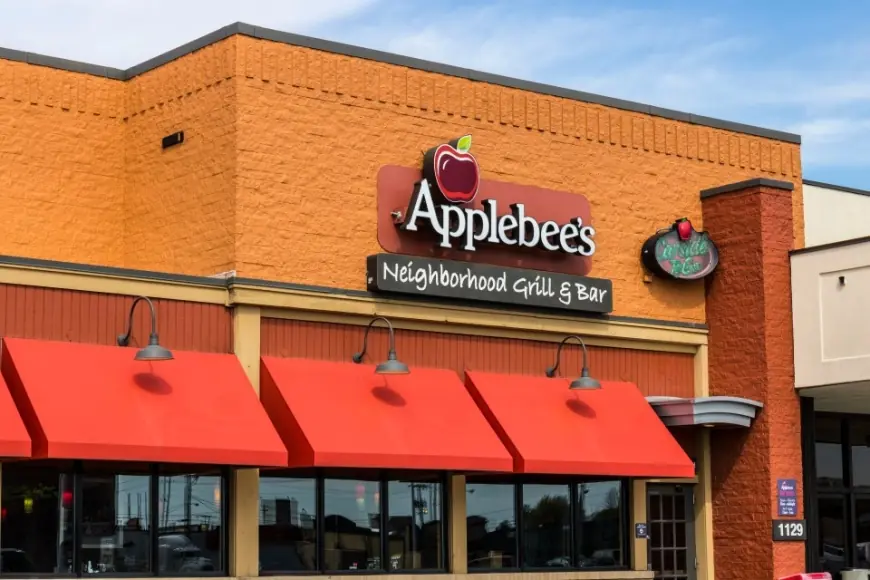
A fresh wave of applebees closures is unfolding across the Midwest and Northeast in late February 2026, with multiple long-tenured restaurants shutting their doors after decades in business. The closures are being driven location-by-location—often tied to franchise economics, lease decisions, and traffic shifts—while the brand’s parent company continues to push remodels and a dual-branded growth strategy to stabilize the footprint.
The result is a split-screen moment for the chain: applebees closures in select markets alongside reinvestment and new-format expansion elsewhere.
Applebees closures: the latest confirmed shutdowns and timelines
Several closures drawing attention this week involve restaurants that had served their communities for 30 years or more. In Missouri, one Applebee’s in Columbia closed on Wednesday, February 18, 2026 (ET), with a corporate spokesperson thanking local guests for decades of support.
In New York’s Capital Region, the Applebee’s in Glenville has posted a firm end date: Sunday, April 12, 2026 (ET). Multiple local updates indicate employees are being offered transfer options to nearby restaurants, a common approach meant to reduce job losses when a single unit closes.
Below is a snapshot of closures that have been publicly confirmed in recent reporting and official statements.
| Location | Status | Last day (ET) | Notes |
|---|---|---|---|
| Columbia, Missouri (I-70 Drive SW) | Closed | Feb. 18, 2026 | Confirmation referenced a long local run; other nearby locations remain open |
| Glenville, New York (Saratoga Road) | Closing scheduled | Apr. 12, 2026 | Staff transfers discussed; local market retains other options |
Why applebees closures happen even when the brand is still investing
Restaurant closures can look like a single corporate decision, but Applebee’s is largely franchise-operated, meaning unit-level outcomes can vary sharply by market. When food, labor, insurance, and utilities rise faster than local sales, a restaurant that once worked can turn into a margin squeeze—especially in older buildings with higher maintenance costs or less efficient layouts.
In many cases, closures also reflect simple math: a weak trade area, a lease renewal that no longer pencils out, or a nearby competing cluster that siphons traffic. That’s why applebees closures often appear in pockets rather than as a uniform national pullback.
Remodels and new formats: the counterweight to applebees closures
At the corporate level, the strategy to blunt applebees closures has focused on reinvestment and modernization. Recent industry coverage highlighted accelerated remodel plans among major franchise groups and a prototype approach aimed at refreshing dining rooms and better supporting off-premise business.
In parallel, the company has been leaning into dual-branded restaurants that combine Applebee’s and IHOP under one roof. The pitch: higher sales potential per site, shared labor and operating efficiencies, and more daypart coverage. That format won’t prevent every closure, but it is designed to make new builds and conversions more attractive for franchisees—especially in mixed-use corridors where a single concept might not fully utilize the location.
What happens next: earnings, unit counts, and more closure signals
Investors and franchise operators are watching for clearer guidance on the pace of net closures and openings as the company moves through 2026. The parent company has scheduled its fourth-quarter 2025 earnings release for Wednesday, February 25, 2026, with a morning conference call to discuss results and outlook.
For consumers, the most noticeable near-term signal will continue to be local: posted notices, reduced hours, or sudden removals from store locators. For the system, the key indicator is whether remodel acceleration and dual-brand development can offset the ongoing attrition that has gradually reduced Applebee’s domestic unit count over recent years.
What customers should do if their local Applebee’s is rumored to close
If you’re seeing chatter about applebees closures in your area, the most reliable confirmation typically comes from one of three places: a posted in-store notice, a statement from the operator, or a direct update on official restaurant listing pages. If a closure is confirmed, nearby locations often absorb staff and shift inventory, which can temporarily affect wait times and menu availability at neighboring stores.
The broader picture remains mixed: applebees closures are real and visible in certain communities, while reinvestment and new formats aim to keep the brand relevant—and growing—in others.