

















Cuba Crisis Deepens as U.S. Oil Blockade Pushes Island to the Brink

Cuba is in the grip of its worst economic and energy crisis since the collapse of the Soviet Union, as a sweeping U.S. oil blockade cuts off fuel supplies, plunges Havana into darkness, and leaves millions facing severe food and medicine shortages — with Washington openly stating that regime change is its goal by year's end.
How the Cuba Oil Blockade Took Shape
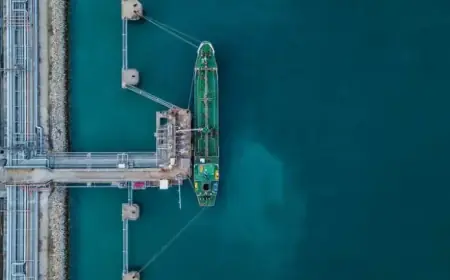
The crisis escalated sharply following a U.S. military operation in early January 2026 that resulted in the removal of Venezuelan President Nicolás Maduro. Cuba, which had long depended on Venezuelan oil for survival, immediately lost its primary energy lifeline. President Donald Trump followed with Executive Order 14380, signed January 29 and effective January 30, declaring a national emergency and authorizing tariffs against any country that directly or indirectly supplies Cuba with oil. Trump stated bluntly: "There will be no more oil or money going to Cuba — zero."
Mexico, which had stepped in as Cuba's secondary supplier, temporarily halted oil shipments by January 27 under U.S. pressure. The combination left the island with a critical and worsening fuel deficit.
Life in Cuba Grinds to a Halt
The human toll on the ground is severe and worsening by the day.
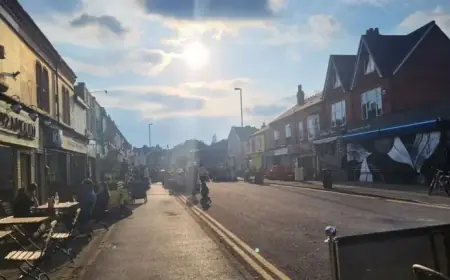
- Power cuts now stretch for hours across Havana and most of the island, with neighborhoods plunged into near-total darkness each night
- Only 44 of Havana's 106 garbage trucks remain operational due to fuel shortages, causing waste to pile up on street corners across the capital
- Government hospitals have cut back services; schools have shortened hours; state employers moved to a four-day work week
- Air Canada suspended flights to Cuba, and the annual Habanos cigar festival — a major revenue event — was cancelled
- Canadian mining company Sherritt paused nickel and cobalt operations at its Moa facility
Cuban President Miguel Díaz-Canel has urged citizens to "resist creatively" and adopt a war-time mentality, telling the population: "Surrender is not an option."
International Reactions to the Cuba Crisis
The blockade has triggered a broad international response, with nations split sharply along geopolitical lines.
| Country/Bloc | Response |
|---|---|
| Canada | Preparing assistance plan; Foreign Minister Anand confirmed "a plan to assist" |
| Mexico | Sent 800+ tons of humanitarian supplies via two Navy ships on February 9 |
| China | Pledged ongoing assistance; condemned U.S. actions as "inhumane" |
| Russia | Described Havana's fuel situation as "truly critical" |
| Nicaragua | Cancelled visa-free travel for Cuban citizens under apparent U.S. pressure |
| Guatemala | Began withdrawing Cuba's medical brigade under U.S. pressure |
| Belarus, Iran, Spain, Vietnam, African Union | Expressed support for Cuba |
Activists also announced plans for the "Nuestra América Flotilla," an international effort to break the blockade and deliver humanitarian aid directly to the island.
Washington's Regime Change Strategy
The Trump administration has been transparent about its ultimate objective. U.S. Embassy Chargé d'Affaires Mike Hammer told Spanish newspaper ABC that 2026 "is going to be a change" for Cuba, describing it as a potentially "historic" turning point. Hammer also confirmed that Washington has communications with individuals inside the Cuban system, though he declined to provide further detail.
Trump has said publicly that he expects Cuba's government to collapse following Maduro's removal, adding that the island now "has no income."
Cuba's Economy on the Edge
Analysts describe the current situation as the gravest Cuba has faced since the 1990s "Special Period" that followed Soviet dissolution. Unlike previous crises, Cuba today lacks reliable foreign partners with both the will and capacity to fully offset U.S. pressure. Venezuela is no longer a viable supplier. Mexico faces tariff threats. The Cuban government's push toward renewable energy is widely seen as insufficient in the near term. Risk intelligence firm Verisk Maplecroft warned that the odds of civil unrest are rising and that Díaz-Canel could face a "Maduro-style managed transition" in the weeks or months ahead. The fundamental question for Cuba in 2026 is no longer whether the crisis is severe — it plainly is — but whether the government can survive it.