
























New Jersey Travel Restrictions: Who’s Impacted as Transit Recovers from a Historic Blizzard

Commuters, households without power and emergency crews are the first to feel the effects of the New Jersey travel restrictions that followed a major blizzard. With trees down, tens of thousands in the dark and many side streets still covered in snow, transit agencies are running limited and modified service—creating a staggered return to normal that will leave some areas isolated longer than others.
Who is feeling the immediate impact
Commuters relying on rail, bus and light rail; residents of Monmouth and Ocean Counties where the heaviest snow fell; homeowners dealing with downed power lines; and people trying to access side streets are all affected. Governor Mikie Sherrill urged all New Jersey residents to stay off the roads and to prepare for potentially life‑threatening conditions, which increases pressure on emergency services and transit planners.
New Jersey Travel Restrictions and transit adjustments
Rail, bus and access services are set to run but with modifications. Light Rail service resumed at 4 p. m. on Monday. Bus service is expected to resume at 4 a. m. on Tuesday with potentially localized detours. Commuter rail will start at 5 a. m. on a modified weekend schedule. Some lines may remain suspended or skip stops depending on frozen-switch work completed overnight.
Service specifics and operational caveats
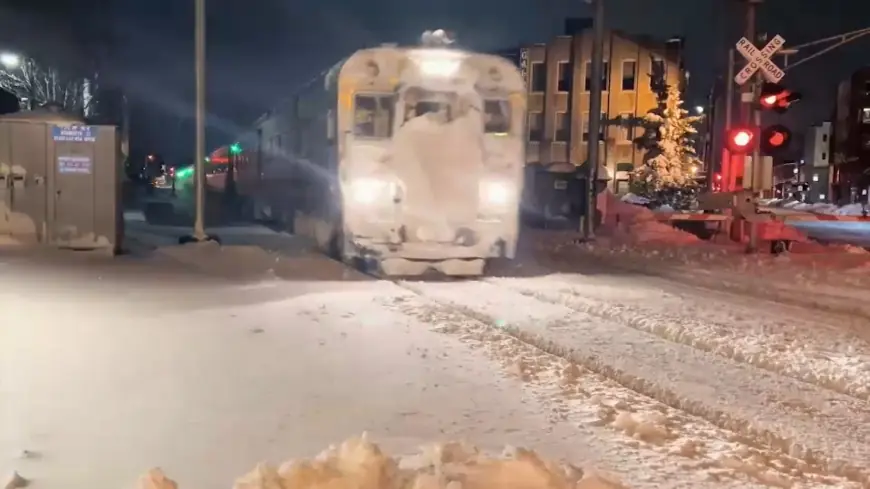
Trains were moved into position on Monday, with some runs rolling down the North Jersey Coast Line empty as locomotives and railcars were staged for the morning rush. The North Jersey Coast and Raritan Valley Lines could remain suspended, and the Northeast Corridor Line may have to skip local stops through Union County if overnight repairs to frozen switches are not finished. Work crews focused through the night on clearing parking lots, staircases and platforms to prepare for the modified schedules, but returning to a normal schedule could take time.
Power outages, blocked streets and search-and-rescue readiness
The blizzard dumped huge amounts of snow across Monmouth and Ocean Counties, and falling trees brought down utility lines. Tens of thousands of residents lost power and side streets in some neighborhoods remained covered in snow. Some residents described being blocked off at both ends of their streets because of downed power lines; one Freehold resident said they faced a choice of restoring power or plowing to avoid spending the night stranded.
The State Emergency Operations Center is operating at Level 2 activation and remains staffed around the clock. Search-and-rescue teams with high-wheeled vehicles and snowmobiles are on standby to reach isolated areas.
Practical notes, a short timeline and help options
Here’s the part that matters: if you live in an affected area, plan for limited transit options, potential detours and pockets of no power.
- Sunday into Monday: a major blizzard slammed the state, producing historic snowfall in many areas.
- Monday: Light Rail service resumed at 4 p. m.; trains were repositioned on main lines.
- Tuesday (expected): Bus service planned to start at 4 a. m.; commuter rail planned to start at 5 a. m. on a modified weekend schedule.
Residents who need warming centers should contact NJ211 for local options. Work to restore power and clear side streets will influence how quickly some neighborhoods regain full access to transit and services.
Key takeaways
- Transit is restarting in stages—expect modified schedules and localized detours for buses and possible suspensions or skipped stops on some rail lines.
- Monmouth and Ocean Counties experienced the heaviest snow and the most widespread damage to utilities.
- State emergency operations are active, and search-and-rescue teams are prepared to respond where roads remain impassable.
- Power restoration and completion of frozen‑switch repairs overnight will be the main signals that service can return to normal.
What’s easy to miss is how much manual clearing—parking lots, staircases and platforms—must happen before schedules can fully normalize; that labor and coordination explain why staged restarts are necessary even after the worst of the storm passes. The real question now is how quickly repairs to switches and power lines progress, which will determine whether riders face further disruption.